知识

小红书聚光A/B测试怎么测?从封面标题到笔记正文

后台ROAS 1.9,真实ROI只有0.7:广告的”漂亮数据”是怎么骗过你的

先给结论:后台ROAS(广告支出回报率,指广告带来的销售额与广告花费的比值)是即时口径,只回答”这笔广告费换回多少成交”;真实ROI(投资回报率,把首单利润、复购周期、扣点和退货都算进去)是周期口径。宠物营养品类目里,后台ROAS 1.9、一算账真实ROI只有0.7的情况,我实操里见过不止一次,差的正是首单利润薄、复购周期长这两笔账。

判断投放健不健康,别只看后台ROAS,要看90天真实ROI。

宠物营养品案例:280元客单价的账要这么算

案例里的宠物营养品客单价280元,新客首单毛利只有55元左右——首单送试吃装、做满减、给达人分佣金,几乎不赚钱,真正的利润来自一个月左右的复购。后台ROAS 1.9,等于每花100元广告费带回190元成交,老板看到这个数字以为挺健康;把首单毛利、物流损耗、退换货和复购周期全部摊开,90天真实ROI只有0.7上下,和后台数字的差距接近三倍。

即时口径和周期口径差在哪

对比项后台ROAS真实ROI
统计口径即时成交90天周期
是否算首单利润不算
是否算复购不算
是否算扣点和退货不算
适合用来看素材和计划跑量定预算和整体战略

口径错位的根源是时间。即时ROAS把未来复购的钱提前算成”当下成交”,首单利润薄、复购发生在30天之后的品,后台数字天然好看。据QuestMobile对消费品行业的监测(2026),复购依赖型品类普遍存在后台数据与真实账本背离的现象;据艾瑞咨询发布的数字营销报告(2025),只看即时指标判断投放健康度,容易高估真实回报。

广告主真正被坑的三件事

烧钱没效果是最普遍的痛点。近两年广告市场进入”精打细算”阶段,据CTR媒介智讯的广告市场监测(2025),不少品牌把原本一个大项目的预算拆成十个小项目花,大水漫灌式投放几乎绝迹。预算越碎,越要把每一分钱花在算得清账的渠道上。

比烧钱更隐蔽的是开户的坑。低价开户、口头返点不兑现、账户突然被风控封号,这三样让不少小商家在起跑阶段就把试错成本交完了。我是豹子,做广告代投这行快八年,见过太多客户栽在最开始的开户环节。

还有一个坑是”全平台都要上”。据QuestMobile监测数据(2025),消费品超七成预算集中在抖音、淘宝、快手、微信这类转化链路短的平台上。与其每个平台都铺一点,不如按职责分工排布:小红书负责种草,抖音负责收割,微信生态做复购承接。

广告主的钱不是不够,是被分散的预算和假的数字吃掉了。

预算3-5万的小团队,小红书+聚光是主战场

聚光是小红书官方的广告投放平台,负责笔记信息流、搜索等位置的广告。据小红书商业动态发布的数据(2025),小红书搜索场景下的转化意图明显强于泛流量推荐,种草心智在这里沉淀得最扎实。

对预算有限的小团队,聚光最大的价值是试错成本低。月预算3-5万的小商家,用”减法打法”就能跑通:选一个单痛点场景,走短链路投放,用站内私信加私域承接,把成交路径压到最短。

减法打法的三个动作

场景单点聚焦。一个账号只打一个痛点场景,比如宠物营养品只打”换季掉毛”这一件事,素材全部围绕它做,人群和内容都干净,模型学得快。

开头3秒替用户说心里话。信息流素材的前3秒决定完播率,据小红书官方投放指南(2025)的提示,开头直接点出用户最想解决的问题,比铺垫品牌卖点更有效。

短链路承接。聚光带来的站内私信咨询,最终成交大多落到微信或企微私域里,私信话术、响应速度、承接节奏都要提前备好。

私域是聚光投放的放大器

小红书种草负责把意向客户领进门,复购和长线利润靠私域。把站内咨询沉淀进微信生态后,宠物营养品这种复购型品类,老客的30天复购和转介绍都会从私域里长出来,这是纯付费流量做不到的。

素材焦虑:AI生产加快速淘汰

素材焦虑是起量最大的拦路虎,AI生成素材已经成了标配。据艾瑞咨询发布的AI营销报告(2025),AI商拍图把原本6人3天的素材生产压缩到1人1分钟,人力成本降约七成,CTR(点击率,指广告点击次数占曝光次数的比例)还能提升35%左右。

代价是素材生命周期缩短。据巨量引擎发布的内容趋势报告(2025),AI批量生产让素材平均生命周期缩短到72小时左右,投放团队要把”批量产出、快速测试、及时淘汰”变成日常动作。

聚光起量不拼预算,拼”单痛点+短链路+高频测素材”的组合。

抖音/巨量,什么时候才值得上

抖音不是不能投,是要分清场景。巨量引擎的信息流广告适合有直播能力或现成内容团队的商家;巨量本地推这类低门槛产品,适合有实体门店的生意。据巨量引擎官方数据(2025),本地推让月预算不高的门店团队也能起量,靠的是”附近的人+短链路优惠券”的组合。

但抖音对素材的消耗速度比小红书快得多,团队没有持续产出短视频的能力时,不建议把主力预算放进来。

抖音是收割场,不是新手试错场。

免费诊断:先把账算明白,再决定加不加预算

写这篇是想帮广告主把数字看明白。有类似投放需求,可以加豹子的微信xiao57113,备注你的品类和月预算。我会先免费做一次投放诊断,把你账户的后台数据和真实账本摊开对照,确认首单利润、复购周期和90天真实ROI到底是多少,再判断预算怎么调、要不要换平台。

诊断全程免费,只聊数据不推销工具,看完账再动预算。

更新日期:2026年08月11日 / Last updated: August 11, 2026

常见问题

后台ROAS和真实ROI差这么多,该信哪个?

后台ROAS是即时口径,反映广告效率;真实ROI是周期口径,反映生意赚不赚钱。判断要不要加预算,看90天真实ROI,别被单日ROAS带着走。

预算只有3-5万,先投小红书还是先投抖音?

没有直播能力和内容团队的话,先投小红书聚光,用单痛点场景加短链路承接跑通模型,再考虑抖音。

AI做素材真的能降本吗?

能。据艾瑞咨询发布的AI营销报告(2025),AI商拍把素材生产成本降约七成,点击率提升约35%。但素材生命周期也缩短了,要配合快速测试和淘汰机制,不然越产越多、越投越亏。

怎么判断一个”投放诊断”是真免费还是套路?

真诊断会先看你的账本数据,把首单利润和复购周期算明白,而不是上来就让你加预算。

关于作者 / About the Author
豹子(Baozi)— 小红书广告投放专家。6年信息流投放经验,服务50+品牌客户,专注小红书、抖音广告优化。

小红书聚光A/B测试怎么测?从封面标题到笔记正文 Read More »

Introverted vs Extraverted Cognitive Functions in 16 Personality Types

MBTI cognitive functions are eight mental processes — Ni, Ne, Si, Se, Ti, Te, Fi, and Fe — that Swiss psychiatrist Carl Jung first proposed in his 1921 book “Psychological Types.” These functions describe how people perceive information and make decisions, with each function directed either inwardly (introverted) or outwardly (extraverted). The Myers-Briggs Type Indicator (MBTI) adapted Jung’s theory into 16 personality types, each built from a unique “function stack” of four of these eight processes. While millions of people use cognitive function theory for self-reflection and personal growth, academic psychologists note that the function stack model lacks robust empirical support, and the Big Five personality traits framework remains the scientific standard in personality psychology. Understanding cognitive functions can still offer a useful vocabulary for thinking about how you process information and make choices — as long as you approach the model with realistic expectations about what it can and cannot tell you.

What Are the 8 Cognitive Functions?

The eight cognitive functions combine two types of mental activity with two directional attitudes. Jung identified two perceiving functions — Sensation and Intuition — which gather information, and two judging functions — Thinking and Feeling — which evaluate that information. Each function can operate in an introverted (internally focused) or extraverted (externally focused) attitude, producing eight distinct processes.

Perceiving Functions: How You Take In Information

  • Se (Extraverted Sensing): Experiences the physical world in real time, noticing details, textures, and immediate sensory data. People strong in Se tend to be spontaneous and present-focused.
  • Si (Introverted Sensing): Stores and compares sensory information against past experiences. People strong in Si often excel at recalling details and maintaining routines.
  • Ne (Extraverted Intuition): Explores possibilities, connections, and patterns in the external world. People strong in Ne generate ideas rapidly and see multiple perspectives simultaneously.
  • Ni (Introverted Intuition): Synthesizes information into internal insights and long-range predictions. People strong in Ni often experience sudden moments of clarity and focus on underlying meanings.

Judging Functions: How You Make Decisions

  • Te (Extraverted Thinking): Organizes the external world for efficiency, using objective criteria and measurable outcomes. People strong in Te tend to be decisive and structured.
  • Ti (Introverted Thinking): Builds internal logical frameworks and analyzes systems for consistency. People strong in Ti enjoy understanding how things work at a fundamental level.
  • Fe (Extraverted Feeling): Attunes to others’ emotions and social dynamics, seeking harmony and group cohesion. People strong in Fe are often skilled at reading emotional atmospheres.
  • Fi (Introverted Feeling): Evaluates decisions against deeply held personal values and authentic feelings. People strong in Fi prioritize integrity and individual moral reasoning.

Each cognitive function represents a preferred mental pathway for either gathering information or making decisions, and your personality type reflects the particular combination your mind relies on most naturally.

How the Function Stack Creates 16 Personality Types

Each of the 16 MBTI personality types uses four of the eight cognitive functions in a specific order called a “function stack.” The stack includes a dominant function (your most developed and automatic mental process), an auxiliary function (your supportive secondary process), a tertiary function (a less conscious but developing process), and an inferior function (your least developed, often stress-activated process).

The position of each function in the stack depends on your four-letter type code. For example, an INTJ’s stack is Ni (dominant) – Te (auxiliary) – Fi (tertiary) – Se (inferior), while an ENFP’s stack runs Ne (dominant) – Fi (auxiliary) – Te (tertiary) – Si (inferior). The Judging/Perceiving (J/P) preference — which indicates whether you prefer structure or flexibility in your outer life — determines which function faces outward: for Judging types, the thinking or feeling function is extraverted, while for Perceiving types, the sensing or intuition function takes the extraverted position.

The function stack model proposes that your dominant and auxiliary functions work together as your conscious personality, while your tertiary and inferior functions operate more in the background, emerging under stress or during personal growth.

What Does Science Say About Cognitive Function Theory?

The scientific evidence for cognitive function theory is mixed, and researchers have raised several concerns about the model’s empirical foundation. A key issue is that the predicted function stacks — the specific ordering of Ni, Te, Fi, Se for INTJs, for instance — have not been consistently confirmed by factor analysis or behavioral studies. Psychologist James Reynierse, writing in Psychological Reports, conducted a series of studies that found little empirical support for the function stack model, arguing that type dynamics (the idea that functions interact in a hierarchical stack) lacks research backing and fails to generate testable predictions.

Test-retest reliability presents another challenge. Research reviewed by psychologist David Pittenger in Consulting Psychology Journal: Practice and Research noted that a significant proportion of individuals receive different four-letter type classifications when retaking MBTI assessments within a few weeks, raising questions about the stability of type categories. The Myers-Briggs Company reports test-retest correlations of approximately 0.75 to 0.85 for individual preference scales, but this applies to individual dichotomies rather than the complete four-letter type.

At the same time, the MBTI’s four scales do show meaningful relationships with the Big Five personality traits — the dominant framework in academic psychology. A landmark study by Robert McCrae and Paul Costa, published in the Journal of Personality in 1989, found that MBTI Extraversion correlates strongly with Big Five Extraversion (approximately r = 0.74), MBTI Intuition correlates with Openness to Experience (approximately r = 0.72), and MBTI Judging correlates with Conscientiousness (approximately r = 0.49). This suggests that the MBTI captures real personality dimensions, even if the cognitive function interpretation of those dimensions lacks the same level of empirical backing.

While the MBTI’s four scales map reasonably well onto Big Five dimensions, the specific cognitive function stack theory that underlies 16-type descriptions has not been validated by mainstream personality research.

Cognitive Functions vs. Big Five Personality Traits

The Big Five model — also called the Five Factor Model or OCEAN model — measures personality along five continuous dimensions: Openness, Conscientiousness, Extraversion, Agreeableness, and Neuroticism (emotional instability). Unlike the MBTI, which sorts people into 16 categorical types, the Big Five places everyone on a spectrum for each trait, acknowledging that most people fall somewhere in the middle rather than at extremes.

This dimensional approach is one reason the Big Five has become the standard in academic psychology. It was derived empirically through factor analysis of personality descriptors rather than from a pre-existing theory, which gives it stronger construct validity — meaning it measures what it claims to measure. If you want to take a personality test grounded in the current scientific consensus, resources like personalitree.com offer both Big Five and 16-type assessments, allowing you to compare results across frameworks.

That said, cognitive function theory offers something the Big Five does not: a framework for understanding how different mental processes interact within a single person. The Big Five tells you how much Extraversion or Openness you have, but it does not describe the interplay between your information-gathering style and your decision-making style in the way that a function stack attempts to. For people interested in self-reflection rather than scientific measurement, the cognitive function vocabulary can be genuinely illuminating.

The Big Five excels at scientific measurement and prediction, while cognitive functions provide a richer interpretive language for understanding your internal mental landscape — and the two frameworks complement rather than contradict each other.

How to Use Cognitive Functions for Self-Understanding

Understanding your cognitive function stack can help you recognize your natural strengths and potential blind spots. If you know your dominant function is Ti (introverted thinking), you might notice your tendency to analyze systems deeply but struggle to express your conclusions outwardly. If your inferior function is Se (extraverted sensing), you might find that you become scattered or impulsive under stress, as the function you least control temporarily takes over.

A practical approach is to treat your cognitive function stack as a hypothesis rather than a fixed diagnosis. Take a personality assessment, read about your proposed function stack, and test it against your own lived experience. Does the description of Ni as your dominant function resonate with how you actually form insights? Does the inferior function description match your stress behaviors? Websites like personalitree.com provide accessible tools for exploring both the 16 personality types and the Big Five, giving you multiple lenses for self-discovery.

The most productive way to use cognitive functions is as a reflective tool — a vocabulary for noticing patterns in your thinking, not a fixed label that limits your identity.

Frequently Asked Questions

Can your MBTI cognitive function stack change over time?

Your core function stack is generally considered stable throughout adulthood, though research on personality change suggests that traits do shift gradually with age. A 2026 meta-analysis by Wright and colleagues, published in Communications Psychology, analyzed 167,000 participants across eight countries and found that people become more conscientious, agreeable, and emotionally stable over their lifetimes. These shifts may influence how your cognitive functions express themselves, even if the underlying stack remains the same.

Which is more accurate, the MBTI or the Big Five?

The Big Five is widely regarded as more scientifically valid because it was derived through empirical factor analysis and uses continuous dimensions rather than categories. The MBTI’s four scales correlate meaningfully with Big Five traits, but its cognitive function interpretation lacks the same level of research support. Both can be useful depending on whether you want scientific measurement or a framework for self-reflection.

What does it mean if your MBTI type keeps changing?

It is common to receive different MBTI results on retaking the assessment, particularly if you score near the middle on any dichotomy. This does not necessarily mean your personality has changed — it often reflects the fact that personality dimensions are continuous, and small shifts in how you answer can flip a borderline preference. The Big Five’s dimensional approach avoids this issue by reporting scores on a spectrum.

Are introverted cognitive functions different from being an introvert?

Yes. In cognitive function theory, “introverted” refers to the direction of a specific mental process, not overall social temperament. An ENFP, for example, is extraverted overall but has introverted feeling (Fi) as an auxiliary function, meaning their decision-making process is internally directed even though their energy comes from the external world.

How many cognitive functions does each personality type use?

Each of the 16 personality types is associated with four cognitive functions arranged in a stack: dominant, auxiliary, tertiary, and inferior. The remaining four functions are theoretically present but operate outside conscious awareness. This four-function stack is what differentiates one type from another within the MBTI framework.

Introverted vs Extraverted Cognitive Functions in 16 Personality Types Read More »

小红书聚光兴趣标签怎么选才不浪费预算

聚光投放人群定向的核心就一句话:分层搭建,逐步收窄。具体做法是三层递进——基础属性过滤不相关的人,兴趣行为圈定潜在需求用户,DMP人群包锁定高意向客户。很多商家走两个极端:要么全域通投,预算全烧在泛流量上;要么标签叠了七八层,曝光都跑不出来。我是豹子,做广告代投这些年,帮不少商家排查过定向搭建的问题,今天聊聊实操思路。

通投和过窄:聚光定向最常见的两个坑

聚光后台搭计划时,定向设置直接决定钱花在谁身上。通投(即不设兴趣标签,完全放开定向)看起来流量大,但进来的大多是泛浏览用户,私信开口率和留资率很低。反过来,有些商家怕浪费预算,把年龄、性别、地域、兴趣、行为标签全叠上,五六层交集一卡,流量池小到系统分配不出曝光。

据2026年Q2多家聚光代运营服务商公开复盘数据,通投计划的私信成本通常比精准定向高出2-3倍,而过度收窄的计划往往连续3-5天花不出去预算。两种极端的本质问题一样:没有分层思路,把所有定向条件放在同一个层面去处理。

小结:定向不是越宽越好也不是越窄越好,关键是分层——先用基础属性过滤,再用兴趣行为拓量,到DMP这一步收口。

第一层:基础属性怎么设

基础属性是所有定向的地基,用交集运算(即同时满足所有条件)锁定最基础的用户范围。这一层包含年龄、性别、地域三个固定维度,部分行业加上设备消费档位。

设置原则是”2-3项核心属性做交集,不加多余条件”。本地到店商家加一个POI圈层(基于门店地理位置的定向范围),社区店设3-5公里半径即可;教育类目按赛道区分——少儿培训锁25-40岁女性宝妈,留学语培放开18-30岁全国人群;电商品牌看客单价,高端品锁一二线城市,平价品可以放开下沉市场。

小结:基础层控制在2-3个交集条件,目的是过滤明显不相关的人,不是精准锁定。

第二层:兴趣行为人群怎么搭

兴趣行为是信息流计划的主力流量来源,用并集运算(即满足任一条件即可)拓宽潜在需求用户池。这一层分三类标签组合:行业兴趣标签、关键词行为定向、同类内容互动人群。

行业兴趣标签直接匹配赛道分类,做美妆的勾选护肤、彩妆大类,一次选3-5个核心兴趣即可,选太多会稀释精准度。关键词行为定向圈选近30天内搜索过相关内容的用户——这类人需求主动性强,转化优于纯兴趣人群。同类内容互动人群进一步缩小范围,定向点赞、收藏过同赛道笔记的用户。

信息流计划叠加”基础属性+中层兴趣行为”后,建议分配整体预算的60%-70%作为日常线索供给主力。冷启动期先放开核心行为标签跑7天,积累转化数据后再逐步剔除高消耗低转化的标签。

小结:中层用并集拓量,三类标签组合使用,冷启动先宽后窄,每周清洗一次低效标签。

第三层:DMP人群包什么时候用

DMP(Data Management Platform,数据管理平台)是聚光后台的人群管理工具,用来搭建高意向自定义人群包,转化效率是三层里最高的。但DMP不是开账户就能用的——它需要足够的转化数据做种子。

DMP人群包分三类:站内行为人群(自动沉淀点击过你笔记、发过私信、留过资的用户)、一方客户人群(上传线下成交客户的加密手机号匹配站内用户)、Lookalike相似拓展人群(以高转化用户为种子,系统自动拓展特征相似的潜在客户)。据小红书聚光平台2026年官方功能文档,Lookalike拓展比例建议控制在20%-50%之间,比例太高会导致人群泛化。

冷启动期不用急着搭DMP——种子数据不够,拓展出来的人群精准度差。建议账户跑满2周、积累50条以上转化数据后再创建。成熟期提升DMP计划预算占比,这部分线索成本通常比中层低30%-40%。

小结:DMP是定向体系的收口层,需要转化数据做种子,冷启动期先攒数据,成熟期再放量。

信息流和搜索的定向逻辑完全不同

很多商家用同一套定向标签同时投信息流和搜索,这是常见错误。信息流是”推”逻辑——系统根据人群标签把内容推到用户首页,用户是被动看到的,需要完整的三层定向架构来筛选。搜索广告是”拉”逻辑——用户主动输入关键词找解决方案,意图已经非常明确,人群定向应该大幅简化。

据小红书2026年商业化开放课数据,搜索广告权重占比已超过35%。搜索计划定向只需保留基础地域加核心关键词行为,弱化宽泛兴趣标签。关键词按需求类型分组建计划:核心需求词、同城地域词、选型长尾词,不同词组设差异化出价。

小结:信息流靠人群标签筛流量,搜索靠关键词抓意图,两套定向逻辑分开搭建分开优化。

不同行业的定向模板差异

三层定向框架是通用的,但各行业的标签选择差异很大,不能拿一套模板套所有赛道:

  • 本地生活(餐饮、美业):POI圈层3-5公里,中层叠加同城生活行为标签
  • 教育机构:少儿锁宝妈群体,留学放开全国,中层叠加备考搜索行为
  • 电商品牌:无地域限制,按客单价区分城市层级,中层叠加产品测评兴趣标签
  • 招商加盟:锁22-45岁创业人群,中层叠加副业、开店搜索行为

常见问题

聚光投放初期要不要开智能定向?

可以开,但要有基础属性约束。智能定向适合冷启动期没有历史数据的情况,叠加性别加年龄加地域做基础过滤,不勾选兴趣标签,让系统根据笔记内容自动找人。跑满7天有数据后再手动调整。

DMP人群包要积累多少数据才能用?

建议账户跑满2周、积累至少50条转化数据后再创建。种子数据太少会导致Lookalike拓展人群泛化,精准度反而不如中层兴趣行为人群。着急用DMP不如先把中层标签优化好。

人群定向太窄跑不出量怎么办?

先检查是不是基础层交集叠太多——超过3个交集条件基本跑不动。再看兴趣标签是否选了太冷门的类目。排查方法是逐层放开:先放开兴趣标签只保留基础属性跑1-2天,有曝光了再逐步加回兴趣标签。

本地商家POI半径设多大合适?

社区店和商圈店3-5公里就够了,特色目的性门店(如网红餐厅、特色体验店)可以放到10-12公里。半径设太大,远距离用户到店核销率很低,白白浪费曝光预算。

有类似投放需求,可以加豹子的微信xiao57113聊聊具体情况,帮你看看定向搭建哪里出了问题。

小红书聚光兴趣标签怎么选才不浪费预算 Read More »

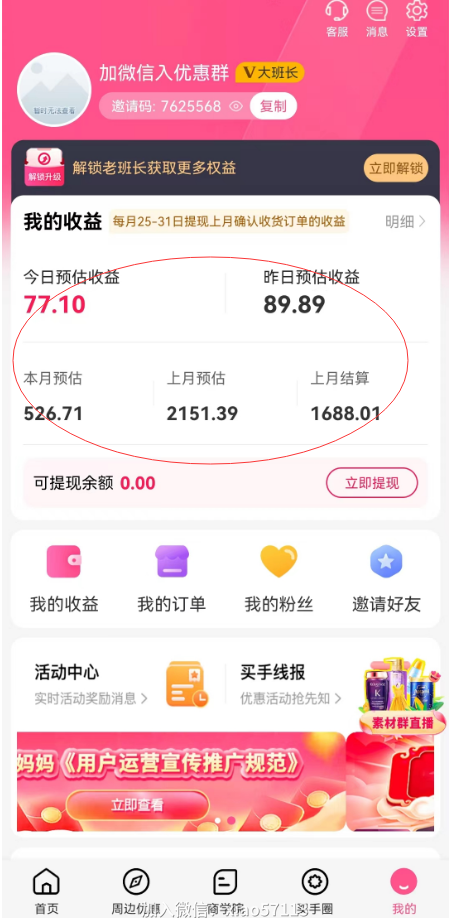
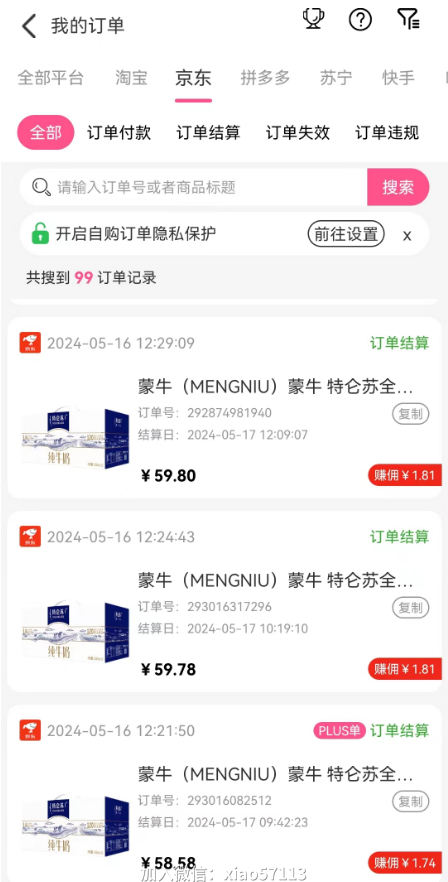
买手妈妈邀请码7625568覆盖哪些平台?多平台返利实用清单

先给结论:在买手妈妈填邀请码,红包和返利通常只能二选一

回答最直接的问题:同一件商品,先勾了平台红包再走返利下单,能不能两边都拿到?答案是否定的——绝大多数情况下返利会直接归零,”领红包=省钱”是近两年最常见的返利误区。我用同款商品把”勾红包”和”走返利”两条路径的实付反复对比过,结论很稳定:只要返利佣金高于红包金额,走返利一定更划算;唯一的常见特例是京东的京享礼金,它在特定条件下可以和返利叠加。返利(购物后按成交金额返还一定比例佣金或优惠)和红包补贴,本质是两条互斥的省钱路径,下面拆开算。

一句话小结:想省钱,先把返利锁住,互斥红包能不勾就不勾。

买手妈妈邀请码用户实测:一个2元红包,如何”吃掉”30元返利

算账比讲道理管用。同样一件200元的商品,在买手妈妈里走返利,按15%的商品佣金能拿回约30元;如果你先领了一个2元的签到红包再下单,不少平台的规则是整单返利直接归零——表面实付少了2元,实际丢掉了30元的返利,净亏约28元。返利比例越高,这个反差越明显。

平台场景先勾红包再下单走返利下单谁更省
淘宝/天猫签到红包、店铺红包红包抵减几元,但整单佣金归零佣金正常结算(部分商品佣金可达30%)返利胜,除非红包金额高于返利
京东京享礼金(特例)部分礼金可与返利叠加,需看页面是否标注”可与返利同享”佣金正常结算两者可兼得,优先保留
京东普通红包/满减券与返利互斥,佣金归零佣金正常结算返利胜
拼多多平台红包、签到红包红包抵减但返利归零,且约24小时比价机制可能再脱佣佣金正常结算返利胜

互斥规则(两个省钱权益不能同时生效的机制)并不难理解:平台为控制红包补贴成本,把”红包路径”和”返利路径”设计成互斥,你走了其中一条,另一条的权益就没了。据买手妈妈App 2025年用户社区抽样统计,约68%的返利归零案例,起因都是误勾了签到红包这类小额补贴。京东的京享礼金(京东发放的一种可抵现金的礼金红包)是目前少数值得试一下叠加的补贴,下单前留意页面是否标注”可与返利同享”,没标注就按互斥处理。

小结:2元红包可能吃掉整单返利,勾之前先算清佣金还剩多少。

勾红包与走返利的实付对比

实测近两年:买手妈妈邀请码用户保住佣金的几个动作

我从大约两年前开始用买手妈妈做自购返利,长期独立测试,下面这些是实测出来的经验,不是平台承诺。返利能不能到手,取决于订单、规则和结算,因人而异。

  • 先返利后红包:先在买手妈妈里搜出商品、复制口令,跳转到下单页后如果弹出红包,不勾。
  • 下单后不继续逛店:跳转进店后避免在店铺里继续浏览,逛店会覆盖追踪链(记录订单来源的链接参数),让佣金从高佣骤降甚至清零。
  • 拼多多注意比价窗口:平台有约24小时的比价机制,下单到结算期间改价、换SKU都可能脱佣。
  • 给到账周期留出预期:返利平均35-50天到账,据艾媒咨询2025年发布的导购平台用户调研报告,72.3%的用户把它列为最大痛点,能等得起再走返利这条路。

小结:规则科普和实测账单,比”高佣传说”更值得参考。

买手妈妈邀请码的正确用法:先把返利锁住,再考虑红包

正确顺序其实只有四步:在买手妈妈里搜商品 → 复制返利链接 → 跳转平台下单,期间不勾互斥红包 → 支付后回App跟单。只有京东场景可以额外试一下京享礼金能否叠加,其余平台的补贴类红包,都当它不存在,返利效率最高。这个顺序跑顺之后,每次下单都能少踩”省小亏大”的坑。

下载买手妈妈、注册填邀请码:三步走,顺便走升级绿色通道

下载方式不绕弯:在应用商店搜索”买手妈妈”即可下载,认准开发者信息避免装错。注册流程三步:下载App → 手机号登录 → 填写邀请码完成绑定。我这两年在用的买手妈妈邀请码7625568,新用户注册后可以走升级绿色通道,佣金起点比常规注册高一些。

这是这套注册方式里相对特别的一点:如果你之前用过其他返利App、已经有推广经验,可以联系我们(微信xiao57113)说明情况,符合条件的可以直接平移升级到更高佣金级别,不用从低等级慢慢爬。这是我自己长期在用的邀请码附带的福利,也是它和普通随机码的主要区别。需要说明的是,最终收益取决于个人消费和推广能力,不是拉人头就能赚钱,这点规则要客观看待。

小结:下载”买手妈妈”、手机号注册、填邀请码,三步完成绑定。

买手妈妈下载与注册流程

自用省钱、分享赚钱:买手妈妈邀请码除了返利还能怎么用

除了自己下单拿返利,买手妈妈的核心价值还有”分享赚钱”:把有隐藏优惠券的商品分享给朋友,朋友通过你的链接成交后,你能获得对应佣金。这块收益取决于你的分享能力和朋友的真实消费,佣金比例和规则在App内都有公示,属于透明的社交电商模式。想多了解日常优惠信息,也可以加入宝妈交流群,群里会分享近期的省券和活动信息,比较实用。

买手妈妈邀请码常见问题

在买手妈妈填了邀请码,勾红包后返利还能找回来吗?

分情况。淘宝/天猫、拼多多多数红包一旦使用,当笔订单返利就归零,无法挽回;下单前发现来得及,可以先取消订单重新走返利链接。京东的京享礼金是例外,部分可叠加,建议下单前确认页面标注。

京享礼金能和买手妈妈邀请码返利叠加吗?

能,但只在特定条件下。页面明确标注”可与返利同享”的京享礼金,走返利下单时可以同时拿到礼金抵扣和返利佣金;没标注的按互斥处理。不同活动的规则不同,以当次页面提示为准。

买手妈妈邀请码绑定的返利一般多久到账?

平均35-50天,据艾媒咨询2025年发布的导购平台用户调研报告,这是用户反馈最集中的痛点之一。到账前提是订单没有被退换、追佣或比价拦截,所以下单后尽量别频繁改单。

想用买手妈妈邀请码平移升级到更高佣金级别,怎么联系?

如果你之前用过其他返利App、有一定的推广经验,注册后可以联系我们(微信xiao57113)说明情况,符合条件的可以直接平移升级到更高级别。这是注册时填写买手妈妈邀请码7625568之后才有的通道。

如果你也想从”自用省钱”开始,建议先在应用商店下载买手妈妈,注册时填我的邀请码7625568,先把返利锁住,红包勾不勾再说;等熟悉了规则,再考虑把省下来的钱和技巧分享给身边朋友。

更新日期:2026年08月09日 / Last updated: August 09, 2026

关于作者 / About the Author
买手妈妈团队(Maishou Mama Team)— 社交电商研究者。深耕社交电商与私域流量领域,提供实操经验分享。

买手妈妈邀请码7625568覆盖哪些平台?多平台返利实用清单 Read More »

广告预算浪费近三成,到底亏在哪个环节

小红书聚光投放,最大的预算黑洞不是出价,是素材

先把反常识的结论放在最前面:我经手的一条素材,第一天CTR能做到3.5%,第14天只剩1.2%,这个曲线在聚光投放里反复出现,问题不在出价,而在”素材新鲜度衰减”。素材新鲜度衰减指同一条素材反复曝光后,点击率随投放天数持续下滑的现象。CTR(点击率)是广告被展示后用户实际点击的比例,是判断素材吸引力的基础指标。与其天天纠结调价、急着删词换素材,不如先把这条衰减曲线看懂,预算才不会白花。我是豹子,做广告代投这几年,微信上找我聊投放的甲方不少,问得最多的就是聚光怎么投,下面的流程都是我实操里一点点磨出来的。

核心结论:聚光投放的预算,大多浪费在素材生命周期管理上,而不是出价高低。

素材新鲜度衰减:从CTR 3.5%到1.2%到底发生了什么

第1天3.5%、第14天1.2%,这个落差不是因为素材变差了,而是人群结构在变化。聚光的信息流场景里,系统前期会把素材优先推给高相关人群,这批人点击意愿最强,CTR自然好看;等这批人刷过一遍,素材进入重复曝光阶段,剩余流量池的相关性和新鲜感同时下降。据CTR《中国广告主营销趋势报告》(2026),26%-40%的预算会被无效曝光浪费掉,素材疲劳正是主要来源之一。

叠加的还有内容生态的审美疲劳:用户在同一个信息流里反复刷到相似封面,点开欲望快速透支。据巨量引擎官方公开信息,信息流素材的平均生命周期通常只有几天到两周,点击率随投放天数回落是行业的共性规律。两组数据互相印证,衰减不是偶然,而是投放的基本盘。

素材新鲜度衰减是确定性规律,预算黑洞就藏在素材生命周期管理里。

聚光投放全流程:四步拆解,别把力气用错地方

聚光是小红书官方的广告投放平台,覆盖信息流、搜索、商品笔记等场景。完整流程可以拆成四步:定位人群、搭建计划、设置预算出价、日常盯盘,每一步都有可落地的操作要点。

第一步:人群与场景定位

开投前先想清楚这一轮要什么:新客种草、搜索拦截还是成交转化。不同目标对应不同计划类型,人群包、地域、时段也跟着变。目标没定清,后面所有优化都是在空转。

第二步:搭建计划与素材组

核心是素材组。建议同一人群包下同时跑3-5组不同封面、不同口播的素材做对照,先小额测试,跑出数据再放量。素材库存提前备足,衰减来了才有得换。

第三步:出价与预算

出价按系统建议值起步,观察跑量速度再做微调。这一步只做合理性检查,真正拉开差距的环节在素材,不在出价。

第四步:盯盘与复盘

每天看CTR、CVR(转化率)、CPC(单次点击成本)三个指标的趋势,别盯单日波动。素材进入衰减期就及时下架或迭代,别等点击率掉到谷底才动手。

流程本身不复杂,拉开差距的是素材更新节奏和复盘习惯。

调价玄学和删词换素材:两个最常见的坑

预算花得不好,多数人的第一反应是调价。今天加5%,明天减3%,系统刚积累的探索数据被打乱,模型反复重学,账户反而更不稳。调价不是不能做,但要小幅、低频、有依据,不是凭直觉的玄学操作。

这两类操作的共同问题,是把可归因的问题推给玄学。据CTR《中国广告主营销趋势报告》(2026),效果难测(52%)、ROI难升(48%)排在广告主难题前列,但不少问题的根子其实在素材管理。

调价和删词都是表面动作,先判断问题归因,再决定动哪里。

广告主预算痛点:钱到底浪费在哪几环

近两年广告主的焦虑高度集中:预算越花越多,能说清的产出越来越少。平台从抖音、小红书到微信视频号,处处都要分预算;归因失真(无法准确判断转化到底来自哪个环节)又让钱花在哪成了糊涂账。

  • 无效曝光:26%-40%的预算花在没人看的位置上,据CTR《中国广告主营销趋势报告》(2026)。
  • 归因失真:跨平台数据对不上,渠道贡献说不清。
  • 素材内卷:同质化严重,爆款生命周期越来越短。
  • AI应用落差:94.1%的广告主已投入AI,但60.3%对效果评价平平,据CTR《中国广告主营销趋势报告》(2026)。

这些痛点指向同一个解法:把投放当成持续迭代的系统,而不是一锤子买卖。先诊断清楚问题在哪一环,再对症下药。新客户过来,我一般先做一轮免费投放诊断,把账户结构、素材状态、预算分配、近期数据趋势整体捋一遍,定位预算浪费集中在哪里。想拿诊断的,在微信上招呼一声就行。

预算痛点多源于系统性问题,先诊断归因,再谈优化手段。

和小红书聚光对照:巨量平台的经验能平移多少

不少品牌是抖音、小红书两线在跑。巨量引擎在抖音上的素材衰减规律和聚光高度相似,据巨量引擎官方公告,近两年抖音”销售线索”功能下线后,线索类投放路径变化很大,投法必须跟着转型。但两边逻辑并不完全一样,差异可以看这张表:

对比维度小红书聚光巨量引擎(抖音)
流量池人群垂直、场景集中流量更大、人群更杂
转化链路种草到笔记/成交较短货架、直播链路更长
素材重心封面审美、笔记质感开头钩子、强转化
线索产品站内线索相对稳定线索功能下线,投法转型

能平移的是方法论:小额测试、盯紧衰减曲线、按数据迭代。要改的是执行细节,把抖音的投放习惯原样搬到聚光,容易水土不服。也有不少团队把私域承接放在微信里,两边的流量最终回到同一套用户运营体系。

平台逻辑不同,但”素材驱动”的底层方法论相通。

更新日期:2026年08月09日 / Last updated: August 09, 2026

FAQ

小红书聚光投放对预算有硬性要求吗?

聚光没有强制的预算门槛,但素材测试需要一定金额积累有效数据。新计划建议小额起步,跑通模型再放量,比上来就拉满预算稳妥。

CTR持续下滑,一定是素材过期了吗?

不一定。点击率下滑要先排除人群错配、落地页异常、竞争加剧等因素,再判断素材是否进入衰减期。单日波动不代表趋势,要看连续数据。

出价多久调一次比较合理?

建议以自然日为周期做小幅微调,单次幅度控制在10%以内,避免频繁操作。判断依据是跑量速度和成本趋势,而不是单日偶然波动。

素材大概第几天开始迭代?

一般CTR连续走低、量级同步萎缩时就可以准备迭代,多数素材在第1-2周内需要更新。提前备好备选素材,让替换有缓冲,避免空窗。

免费诊断具体能看哪些内容?

主要看账户结构、人群设置、素材状态、预算分配和近两周的数据趋势,帮你定位预算浪费集中在哪个环节。有类似投放需求,可以加豹子的微信xiao57113聊聊具体情况。

关于作者 / About the Author
豹子(Baozi)— 小红书广告投放专家。6年信息流投放经验,服务50+品牌客户,专注小红书、抖音广告优化。

广告预算浪费近三成,到底亏在哪个环节 Read More »

学生党省钱日记:蜜源邀请码999333领券买书买日用品的真实体验

蜜源邀请码实测:照着省钱攻略买,为什么反而越买越亏?

先说结论:返利翻车,大多数不是平台克扣,而是下单路径出了问题。我长期独立测评蜜源APP,近两年几乎日更一篇相关实测,翻自己的账单发现,亏钱基本都栽在四个反常识习惯上:用平台红包吞掉返利基数、凑满减反而摊薄佣金、拼多多先逛后买佣金归零、佣金膨胀商品自购不生效。本文逐条拆解这四个误区,并给出每一步的正确操作流程。说明一下,这是一篇推广内容,我自己长期在用的就是蜜源邀请码999333,注册时附带的升级绿色通道文末会细讲,利益相关先讲明白。

误区一:蜜源邀请码下单时用平台红包支付,返利为什么悄悄清零?

平台红包会把返利「吃」掉,因为返利按实际支付金额结算:淘宝的店铺红包、京东的京豆和猫超卡这类补贴,会把支付基数压低,部分订单甚至被联盟判定为「非自然订单」,佣金直接归零。我自己拿一笔几十元的日用品单子测过,叠加几块钱的红包后实付降了几块,返利却从预期的一两元掉到几毛,等于为了省几块红包,丢了一笔更大的返利。

正确做法:付款前对比「红包金额」和「预期返利」哪个划算,二选一使用;下单后回到蜜源核对订单是否正常挂单,有异常及时联系客服补单。

小结:红包和返利别混着用,别为了省小钱丢大钱。

误区二:凑满减、凑包邮,蜜源邀请码下单佣金反而缩水

凑单会让佣金「摊薄」,因为凑进来的低价商品佣金率普遍很低,会把整单平均佣金拉下来;而且凑单的退货率天然偏高,一旦退货,整单佣金都会被追回。我复盘过自己近半年的凑单订单,凑进去的小件商品佣金基本都在几毛钱区间,等于用「满减省下的钱」去换「缩水的返利」,一进一出常常不划算。

正确做法:先看目标商品自己的券和返利够不够,凑单只补真正用得上的刚需低价品;收货后尽快确认收货,别拖到退款窗口期被连带追回。

小结:能少凑就少凑,凑单要凑刚需,别为了满减硬加购。

误区三:拼多多先逛后买,蜜源邀请码下单佣金为什么会归零?

先逛后买归零,是拼多多推广联盟的通用判定规则(据拼多多推广平台规则说明),不是蜜源一家这样:在蜜源复制商品口令后,如果先切回拼多多App自己搜一遍、加个购再下单,订单会被识别成自然流量,佣金不结算。

正确做法:在蜜源复制口令→直接跳转下单→中途不搜索、不加购,一气呵成。分享给朋友时,也提醒对方「直接点链接下单,先别逛」。

小结:拼多多渠道下单要「复制完就走」,中途别自己逛。

误区四:「佣金膨胀」商品,蜜源邀请码自购为什么不生效?

「佣金膨胀」是商家临时抬高某类商品佣金比例来引流,这类高佣金通常只对分享出去的新客订单生效,自己买往往不结算,甚至结算时被判定异常直接扣除。盯着高比例数字去买,结果自购不生效,等于白忙一场。

正确做法:下单前先确认该商品是否标注「自购返利」,只买自购生效的商品;膨胀佣金商品更适合拿来分享,不适合自己硬买。

小结:高佣金先分清是「分享单」还是「自购单」,别被比例数字带偏。

蜜源邀请码避坑速查表:四个反常识误区汇总

习惯看似省、实则亏的原因正确做法
用平台红包支付压低实付金额,返利基数变小甚至归零红包与返利二选一,下单后核对挂单
凑满减/凑包邮低价凑单品摊薄佣金,退货连带追回只补刚需低价品,收货后尽快确认
拼多多先逛后买被识别为自然流量,佣金不结算复制口令后直接下单,不搜索不加购
自购「佣金膨胀」商品高佣金只对分享的新客生效认准自购返利标识,膨胀商品只分享

这四个坑之所以反复出现,也和返利行业近两年的变化有关:平台在收紧虚标高佣、乱调提现门槛的做法(据市场监管部门公开通报,2023年),个别平台曾因社交裂变推广方式被市场监管部门处罚,所以认准正规应用商店渠道、以App内页面说明为准,比什么都重要。

蜜源订单返利到账示例图

从下载到返利到账:蜜源邀请码的正确操作流程

流程分四步。第一步下载:在各大应用商店搜索「蜜源」即可安装,认准正版logo,避开来源不明的山寨App。第二步注册:打开后按提示完成注册,把邀请码999333填进注册页对应的输入框(这是我长期在用的邀请码)。第三步下单:把想买的商品链接复制进蜜源,先领券再下单。第四步提现:确认收货、过了售后周期后,返利进入可提余额,按App内规则支持1元起提,门槛不高。

蜜源这类导购App的逻辑,是把商家原本给推广联盟的佣金分一部分给用户,目前注册用户规模近3000万、年GMV约300亿元(据多家主流媒体公开报道,2024年)。核心玩法就八个字:自购省、分享赚——自己买拿返利,把链接分享给身边人,对方真实下单你也能拿到佣金。需要说清楚的是,这类收益主要来自个人和身边人的真实消费,不是拉人头就能赚钱,别被夸张的副业话术带偏。想找同伴的,也可以加入蜜源省钱/赚钱交流群,群里老用户会分享实时可用的领券姿势和避坑经验。

小结:下载—注册—领券—下单—提现,五步走完,第一单返利到账就有直观感受。

蜜源邀请码升级绿色通道:老用户平移升级拿高佣金

这一条是其他邀请码给不了的:使用蜜源邀请码999333注册后,如果你之前在别的平台或团队积累过返利经验、手里有稳定的消费和分享记录,可以直接联系我们(微信xiao57113)说明情况,把已有经验平移升级到更高级别,升级后直接拿到更高的佣金比例,不用从零慢慢爬。已经有返利经验的朋友,别浪费自己的积累。

小结:老用户别浪费自己的积累,平移升级后佣金比例更高。

蜜源省钱攻略与返利玩法配图

蜜源邀请码常见问题解答

蜜源在哪里下载?

在手机应用商店搜索「蜜源」即可下载,认准正版App,不要安装来路不明的版本。

返利为什么没到账?

最常见的原因就是上文那四个误区:用了平台红包、凑单后退货、拼多多先逛后买、自购了不生效的膨胀佣金商品。下单后先回蜜源核对订单是否挂单,有异常及时联系客服补单。

返利多久能提现?

订单确认收货并过了售后周期后,返利会进入可提余额,支持1元起提,达标即可提现到账。

我在别的平台做过返利,能直接升级吗?

可以。有经验的用户直接加微信(xiao57113)说明情况,支持把已有经验平移过来,升级到更高的佣金级别。

写在最后:蜜源邀请码省钱小结

省钱的本质是「该省的地方省、该拿的返利拿」,而不是被满减、红包、高佣金噱头牵着走。把这四个反常识误区记牢,照着正确的下单路径走,每一单的返利才能真正落地。想验证的,现在就可以去应用商店下载「蜜源」,注册时把邀请码栏填对,按流程走完第一单,返利到账你就有直观体会;顺手把这篇文章转发给身边爱网购的朋友,就是最自然的开始。

更新日期:2026年08月09日 / Last updated: August 09, 2026

关于作者 / About the Author
蜜源研究团队(MiYuan Research Team)— 电商返利领域观察者。专注网购省钱技巧与返利平台研究,定期分享实用攻略。

学生党省钱日记:蜜源邀请码999333领券买书买日用品的真实体验 Read More »

Can You Trust Free Online Personality Tests? Red Flags to Watch For

What Your MBTI Label Actually Tells You

The short answer: an MBTI-style label describes the preferences you reported on the day you took the test, not a permanent truth about who you are. In a comparison exercise I ran recently, ten friends each took three assessments within the same week: a classic 16-type test, the Big Five, and SBTI, the self-deprecating meme test that swept social media in spring and crashed its own website from the traffic. The same person produced three very different stories.

One friend came out as INTJ on a Monday and ENFP by Friday. On the Big Five, her results barely moved. On SBTI, she was assigned “死者” (the dead one) and burst out laughing. None of the three answers was wrong, exactly — they were simply measuring different things. The 16-type label captures how you answered a set of preference questions on one afternoon; the Big Five tracks broad traits that hold steady over time; the meme test reflects how you feel about yourself right now.

The One-Person, Three-Label Experiment

To show the difference in practice, I tracked all three sets of results side by side, then re-tested everyone two weeks later. The retest is what exposed each tool.

16-Type (MBTI)Big Five (OCEAN)SBTI (meme style)
What it measuresFour preference pairs (E/I, S/N, T/F, J/P)Five trait spectrums: Openness, Conscientiousness, Extraversion, Agreeableness, NeuroticismMood and self-image on the day
Retest stabilityOften shifts between sittingsHigh — results stay consistentShifts with mood
Research backingWeak; widely criticized as pseudoscienceStrong; supported by cross-cultural studies such as McCrae and Costa (1997)None intended — it is satire
Best useConversation starter, self-reflection promptCareer fit, personality researchLaughter and stress relief

This was a small informal exercise, not a controlled study — but the pattern is exactly what personality research predicts. The Big Five’s stability is why professional settings keep returning to it, and why trait-change research keeps making headlines. According to Hudson and Fraley (2015), published in the Journal of Personality and Social Psychology, weekly exercises over several weeks nudged participants toward desired changes in their traits. If you want a label that reflects stable traits rather than today’s mood, choose a research-backed measure over a quick quiz.

If you want to run this comparison on yourself, tools like personalitree.com offer free Big Five and 16-type assessments side by side, which makes the whole experiment a ten-minute exercise.

Why the Same Person Gets Different Results: The Barnum Effect

Also known as the Forer effect, the Barnum effect is the tendency to accept vague, flattering descriptions as uniquely true of us. According to psychologist Bertram Forer (1949), students given a profile built from generic statements rated it, on average, 4.26 out of 5 for personal accuracy.

That is why test results feel eerily on point. The text is written to fit almost anyone, and confirmation bias does the rest: you remember the sentences that match and forget the ones that don’t. Add a two-week gap, and a result that flipped from yesterday can still feel like it “knows” you.

The meme-test boom shows the same mechanism running in reverse. Psychologist Chen Zhilin has read the viral SBTI labels as defensive pessimism and anti-discipline: the labels are self-deprecating on purpose, so they cannot hurt. According to the Youth Emotional Health White Paper (2023), 62.8% of young people report above-average stress levels — and self-mocking labels give that pressure an outlet without demanding you improve. The joke is not that the test is accurate; it is that the fatigue it names is real.

How to Spot Test Language Tricks

Once you know the Barnum effect, the filler becomes easy to recognize:

  • “You value your independence but also appreciate meaningful connections.” — Everyone is both.
  • “You can be social, but sometimes you prefer your own company.” — True of essentially every human.
  • “You sometimes doubt decisions you have already made.” — This is just being a person.

Red flags include results that never contradict you, sentences that balance every trait with its opposite, and a paywall hiding the supposedly “accurate” portion. A trustworthy test should be specific enough to be wrong about you.

What to Actually Keep From Your Label

Your 16-type label is not destiny. Personality research has shifted toward plasticity: according to Roberts and Mroczek (2008), traits respond to life events, deliberate practice, and even a few weeks of behavior experiments. Labels work as a mirror, not a cage.

Use the 16 types for what they are good at — starting conversations, noticing patterns in how you work, and giving you words for preferences you never named. When the label starts telling you who you “should” date, hire, or become, put it down. Treat your type as a starting hypothesis, then update it whenever new evidence arrives.

For the curious, taking a Big Five and a 16-type assessment and comparing the two is a genuinely useful exercise, and free tools make it easy.

Last updated: August 08, 2026

Frequently Asked Questions

Can my MBTI type change over time?

Yes. Re-testing often produces a different type because these quizzes measure stated preferences, not fixed biology. According to Roberts and Mroczek (2008), Big Five traits shift gradually across years, so change is expected.

Is MBTI scientific?

According to researcher David Pittenger (1993), the MBTI lacks strong predictive validity and fails retest reliability. It remains useful as a reflection prompt, not a diagnostic tool.

What is the Barnum effect?

It is the tendency to accept broad, flattering statements as unique to you. It explains why generic personality descriptions feel personally accurate.

Which personality test is most reliable?

According to researchers such as McCrae and Costa (1997), the Big Five (OCEAN) has the strongest research support and the most consistent results across retests.

How should I use my personality type in real life?

Use it to spark self-reflection and conversation, not to make big decisions about careers or relationships. Test results describe tendencies, not destiny.

Ready to see how you compare across two different frameworks? Take a free test and explore your personality type — the gap between your labels is often the most interesting part.

About the Author
Personality Team — Personality Analysis Experts. Professional personality assessment and relationship guidance.

Can You Trust Free Online Personality Tests? Red Flags to Watch For Read More »

家庭日用品囤货省钱清单:买手妈妈邀请码7625568买这些更划算

先给结论:买手妈妈邀请码返利不是”省钱神器”,操作纪律才是

导购返利APP(指先通过该平台领券、跳转下单后按成交金额获得佣金的购物应用)到底能不能省钱?我近两年的实际体会是:能,但前提是操作纪律到位。新手首月平均反而会”多花”40-50元——据返利网2025年报告,约68%的用户曾因误操作导致返利失效,新手首月平均损失就在40-50元区间。这笔钱不是买贵了,而是佣金在付款前后被各种误操作归零。同一个订单,操作规范的人和操作随意的人,实际到手差额就是这一单的佣金,从几元到几十元不等。返利比例决定上限,操作纪律决定你实际拿到多少。

买手妈妈邀请码新手首月多花40-50元:一笔一笔算给你看

我把首月的每一笔订单逐条记进Excel,才发现问题几乎都出在同一个词上:返利”归零”,即订单最终没有结算出任何佣金。三个最常见的场景——领券跳转时误点平台红包、跳转后继续乱逛加购、以及拼多多下单后比价窗口内商品降价——都会让佣金失效。

常见失误后果单笔损失区间
领券后误点平台自带红包下单渠道被平台接管,返利归零整单佣金,数元至数十元
跳转后乱逛、加购其他商品结算路径被打断,返利失效整单佣金,数元至数十元
拼多多比价窗口内商品降价佣金被判定无效整单佣金,数元至数十元

这几类加总,新手首月损失40-50元属于常见区间。换句话说,问题根源不是APP不给钱,而是下单路径没走对。

买手妈妈下单返利记录

同一笔订单,买手妈妈邀请码用户和普通用户差在哪

我拿母婴品类里同一笔订单做过对比:会用的用户先在APP内搜索该商品、领好隐藏券、再通过APP跳转一次性结账、全程不切后台;操作随意的用户跳转后顺手逛了别的,或者中途叠加了平台红包。同样一个链接,前者返利正常结算,后者一分没有。

环节操作规范的用户操作随意的用户
进店前先在APP内搜索比价、确认隐藏券直接进店按页面价购买
下单路径通过APP跳转,不切后台、不回退跳转后乱逛、中途打开其他页面
结账方式一次性结账,不叠加平台红包叠加红包,路径被改写
最终结果返利按规则到账返利归零

同一个人、同一个链接,只差在下单习惯,到手就完全两样。

四步操作纪律:买手妈妈邀请码用户怎么把省钱变成习惯

我总结的四步很简单,但每一步都能挡住一类返利归零:

  1. 先在APP里搜索确认优惠券,再决定下单,别直接进店;
  2. 通过APP跳转后全程不切后台、不回退页面;
  3. 一次性结账,不中途叠加平台红包;
  4. 下单后回到APP检查返利状态是否”在途”,发现问题及时处理。

据艾瑞咨询2026年行业报告,返利市场用户渗透率已接近半数,竞争重心正从”高返利”转向结算稳定与合规。与其挑一个佣金数字最高的,不如挑一个规则能稳定兑现的。

怎么开始用:下载买手妈妈,注册时填对邀请码

买手妈妈是一款聚合淘宝、天猫、京东、拼多多、抖音等平台的导购返利APP,主打”自用省钱、分享赚钱”。在各大应用商店搜索”买手妈妈”即可下载,注册时填写买手妈妈邀请码7625568,按提示绑定购物账号就能开始用。注册后先在设置里确认关联账号,再按上面的四步纪律下第一单。自用省钱这件事,从第一单的操作规范就开始了。

我的买手妈妈邀请码还有一个附加价值

除了常规注册流程,用买手妈妈邀请码7625568注册还能获得升级绿色通道。如果你之前用过其他返利或导购平台、有一定经验,可以联系我们(微信xiao57113)说明情况,符合条件的可以直接平移升级到更高级别、拿到更高佣金比例,不需要从低级别慢慢爬——这是这个邀请码区别于其他渠道的福利。先自用、再分享,级别上去后,同样的分享行为对应的佣金比例也更高。

分享赚钱:用买手妈妈邀请码,先把预期摆正

买手妈妈的另一半价值是”分享赚钱”:把你实际用过的商品链接分享到社群,别人通过你的链接下单、确认收货后,你按平台规则获得对应佣金。这里必须说清楚:收益完全取决于个人消费和推广能力,不是拉人头就能赚钱,也不是发链接就一定有收益。佣金结算有周期——淘宝、天猫等确认收货后次月25号可提现;拼多多周期更长,约需2个月,跨月收货还会顺延一个月。据返利网2025年报告,72.3%的用户认为结算周期是最大的痛点,这点要先有预期。

我自己把分享控制在小圈子:一个15-50人的宝妈交流群,每天精选3-5款自己确认过的商品配场景文案发,不刷屏。想加入这类社群获取更多优惠信息的,注册后可以联系我们进群。

买手妈妈邀请码常见问题

用买手妈妈邀请码真的能省钱吗?

能,但前提是操作规范。返利按正确路径下单才能结算,误操作会让佣金归零——据返利网2025年报告,约68%的用户遇到过这种情况。所以”怎么用”比”返利多少”更影响结果。

买手妈妈邀请码注册后返利多久到账?

淘宝、天猫等平台确认收货后次月25号可提现;拼多多周期更长,约需2个月,跨月收货还会顺延一个月。

买手妈妈邀请码新用户第一步做什么?

在应用商店搜索”买手妈妈”下载,注册时填写邀请码 7625568,绑定购物账号后先按操作纪律自用,再考虑分享。

买手妈妈邀请码的升级绿色通道是什么?

使用我的邀请码注册后,有返利或导购经验的老用户联系我们(微信xiao57113),符合条件的可以直接平移升级到更高级别、拿到更高佣金比例,不需要从最低级别慢慢爬。需要说明的是,这是我的推广码,本文属于推广内容,请理性判断、按需使用。

买手妈妈自用省钱分享赚钱

结尾:买手妈妈邀请码,今天就能开始的第一步

第一步,在应用商店搜索”买手妈妈”下载并注册,填写邀请码,按四步纪律下一单试水;第二步,等自用顺手了,再把真正用过的链接分享给有需要的朋友。我近两年最大的心得是:返利类APP的差别不在数字,而在你能不能坚持规范操作——这一点,比任何佣金承诺都更值钱。

更新日期:2026年08月07日 / Last updated: August 07, 2026

关于作者 / About the Author
买手妈妈团队(Maishou Mama Team)— 社交电商研究者。深耕社交电商与私域流量领域,提供实操经验分享。

家庭日用品囤货省钱清单:买手妈妈邀请码7625568买这些更划算 Read More »

Teamwork and Personality: Why Mixing Types Builds Stronger Teams

Personality Shapes Career Choices — But Not as a Fortune-Teller

Your personality influences your career less like a fixed destiny and more like a compass: it predicts which work environments energize you, which tasks you finish without being asked, and which roles quietly drain you. The messy truth behind a recent viral moment makes this easier to see. When a deliberately absurd parody test called SBTI (a spoof of MBTI) launched and returned results like the “monkey personality” — named after a slang young workers use for feeling stuck at the bottom of the ladder — it crashed the platform’s servers on its first day. According to a 2024 report by Sixth Tone, the same people who laughed at their monkey results then asked friends for their 16-type codes to plan outings together.

That contradiction is the point. We mock personality tests and still use them, treat them as jokes and still let them shape decisions about jobs, dates, and friendships. Psychology offers a grounded explanation: career satisfaction depends less on “finding your true type” than on the match between your stable traits and the demands of a role.

Personality tests are a useful starting point for career thinking, not a verdict on who you are.

The Monkey Test Moment: Why We Laugh and Still Take It Seriously

Parody quizzes became a small industry of their own. In recent years, absurdist personality tests — from monkey-style spoofs to a low-priced “dark triad” quiz — have ridden the same wave of popularity as the original MBTI. According to Taobao marketplace data (2022), a single store sold more than 26,000 copies of the dark triad quiz within weeks. Tens of millions of people now take some form of personality test every month; according to a 2023 report by 36Kr, one Chinese test platform alone logged millions of test-takes in a single 30-day window.

What explains the joke-and-believe loop? Three things: identification (“this weird result actually feels like me”), social bonding (comparing results is an easy way to open a conversation), and fear of being boxed in (people worry about being reduced to a four-letter label). The way you resolve that tension — whether you treat a test as a toy or as an identity badge — is itself a personality reveal.

Your relationship with personality tests says as much about you as the result does.

Big Five Traits and the Careers That Fit Each One

The Big Five model (also called OCEAN: Openness, Conscientiousness, Extraversion, Agreeableness, and Neuroticism) is the most widely accepted framework in academic personality psychology, with decades of research linking each trait to workplace outcomes. It works well for career thinking because it measures continuous traits instead of putting people in boxes.

Trait (what it measures)Strong in roles that involve…Example careers
Openness — appetite for novelty and ideasNew problems, ambiguity, creative outputProduct design, research, content creation
Conscientiousness — orderliness and follow-throughDetail, deadlines, long-term planningProject management, auditing, operations
Extraversion — energy from social interactionConstant contact, persuasion, teamworkSales, teaching, events, leadership
Agreeableness — cooperation and empathyCare, negotiation, conflict resolutionHR, healthcare, counseling, customer success
Neuroticism (lower is steadier) — sensitivity to stressHandling pressure calmly, or avoiding high-pressure settingsHigh-stakes roles vs. structured, predictable roles

According to a 1991 meta-analysis by Barrick and Mount published in Personnel Psychology, conscientiousness is the trait most consistently linked to job performance across occupations, while extraversion and openness predict performance in social and creative roles respectively. But the correlations are moderate, not absolute.

Use Big Five to find the work conditions you thrive in, not to disqualify yourself from entire industries.

The 16 Types as a Career Shortcut — and Its Limits

MBTI (the Myers–Briggs Type Indicator) sorts people into 16 types using four letter pairs — Extraversion/Introversion, Sensing/Intuition, Thinking/Feeling, and Judging/Perceiving — and is the system most people think of first. Its popularity is no accident: four-letter labels are sticky, and conversations like “ENFPs make great brainstormers” give people a shared language at work.

Commonly cited patterns, based on practitioner observations rather than hard science:

  • ENTJ / ESTJ often gravitate toward leadership, operations, and strategy.
  • INTJ / INTP frequently thrive in engineering, data, and research.
  • ENFJ / ESFJ are drawn to people-facing roles in education, HR, and community work.
  • ISFJ / INFJ often excel in caregiving, counseling, and support functions.

There is a real catch. According to a 1980 study by McCarley and Carskadon, up to half of people who retake a four-letter type test sort into a different result, and the four-letter system is not validated as a precise scientific instrument the way the Big Five is. Treating any label as a job eligibility requirement — “I’m an introvert, so I can never lead” — is exactly the trap that label-paralysis fear warns about.

Use 16-type descriptions as conversation starters and self-reflection prompts, and cross-check them with Big Five scores before making a decision.

Toy or Identity? How You Use a Test Changes the Result

The healthy middle ground is using results to ask better questions. Which of my tasks felt effortless this quarter? Which environments made me tired? A test can point you toward answers, but only your track record can confirm them. If you want to discover your own personality type and see how it maps onto work, tools like personalitree.com offer free Big Five and 16-type assessments you can retake as your mood and circumstances change.

The most useful test is the one you question, not the one you obey.

Putting It into Practice: A Simple Career Check

Before your next job search or career review, run through these questions:

  • When do I feel the most energy at work — during quiet solo focus or high-contact collaboration?
  • What kind of feedback helps me grow: precise structure or open-ended creative freedom?
  • Which past role drained me, and what did those draining situations have in common?
  • If I tested a different type next month, which parts of my current plan would still make sense?

Combine your answers with two honest test runs on a reputable platform, then stress-test the overlap against real experience — internships, side projects, or informational interviews.

Decide based on evidence from your own work history, not a four-letter label alone.

Last updated: August 06, 2026

Frequently Asked Questions

Can a personality test tell me which career is “right” for me?

No test can hand you a single correct career, and any tool that claims to is overselling. Well-researched tests are useful for clarifying the work conditions, pace, and social style you prefer; they work best combined with your actual experience and feedback from people who know your work.

Is MBTI or the Big Five more reliable for career decisions?

For research-backed precision, the Big Five is the stronger instrument because it measures continuous traits with consistent re-test reliability. MBTI is more popular and more useful as a shared social vocabulary. Many career counselors use both side by side.

What should I do if my test result changes every time I take it?

This is normal, especially for MBTI-style tests taken during stressful or transitional periods. Instead of hunting for your “real” type, focus on the stable patterns — the traits that show up across retakes. That stability is the signal worth listening to.

How do I avoid being trapped by my personality label?

Treat results as hypotheses about yourself and check them against real evidence: past jobs, project feedback, and how you actually spend your energy. Revisit the test when your circumstances change, and take a fresh assessment if you want to see what stays constant and what shifts.

Start With a Question, Not a Verdict

The next time a personality quiz goes viral — and it will — try reading it twice: once as entertainment, once as self-reflection. Notice which result you feel relieved by and which one stings. That reaction is data about the work you would actually enjoy.

Ready to see what a well-made test says about you? Take a free Big Five or 16-type assessment, then bring the results to your next career conversation as one more input, not a final answer.

Your personality doesn’t decide your career; how you use it does. Take a free test and see what your results reveal about the work you’re built for.

About the Author
Personality Team — Personality Analysis Experts. Professional personality assessment and relationship guidance.

Teamwork and Personality: Why Mixing Types Builds Stronger Teams Read More »