open

蜜源智小真能帮你选到便宜好货吗?999333用户真实反馈

蜜源2026年主推的一个新功能叫”智小蜜”,本质上是一个AI购物助手——你用日常语言描述想要什么东西,它自动帮你从合作商家的商品库里筛选匹配,直接推荐商品并附上优惠券和返利信息。我用了大概两周,说说实际的体验感受和踩过的一些坑。我注册蜜源时填的邀请码是999333,下文的功能体验都基于VIP账号。

智小蜜的入口在哪

打开蜜源APP首页,搜索栏附近就能看到智小蜜的入口,一般是一个AI对话的图标或者”智能选货”之类的按钮,具体位置随版本更新可能微调。点进去就是一个对话界面,和聊天差不多,底部有输入框,你直接打字描述需求就行。

智小蜜不需要额外下载或开通,只要蜜源APP是最新版本(当前是v6.9.20),登录后就能直接使用。

怎么描述需求效果更好

智小蜜的核心逻辑是你告诉它你要什么,它帮你找。描述越具体,推荐越准。我刚开始用的时候描述太笼统,比如输入”想买点日用品”,结果推荐出来的东西又多又杂,没什么参考价值。

后来我发现加上几个条件之后效果明显变好:**品类+用途+预算**。比如”适合干皮的防晒霜,预算100以内”,或者”给孩子买的水彩笔套装,5到8岁用”。加上预算范围之后,推荐结果会自动过滤掉价格明显不合适的,实用性强很多。

描述需求时最好包含品类、用途场景和预算上限三个要素,推荐结果的匹配度会明显提高。

智小蜜和普通搜索的差别

蜜源本身有一个商品搜索功能,输入关键词就能看到相关商品和返利。智小蜜跟普通搜索的区别主要在两点:

一是搜索方式不同。普通搜索是精确关键词匹配,你得知道商品叫什么名字才能搜到。智小蜜接受自然语言描述,你不需要知道具体品牌和型号,只需要说”想给长辈挑个茶叶礼盒”就行。

二是推荐逻辑不同。普通搜索按返利高低或销量排序,你得自己一个个对比。智小蜜会综合价格、销量、优惠力度和你的需求描述做匹配,帮你做了筛选的工作。相当于普通搜索给你一个商品列表,智小蜜给你一个精选结果。

实际对比效果

我拿同一个需求分别用普通搜索和智小蜜试过。想找一款”办公室午休用的U型枕”,普通搜索出来几十个结果,返利从几毛到十几块都有,得自己翻半天。智小蜜直接给了4个推荐,每个都标注了券后价和返利金额,筛选工作确实省了不少。但智小蜜给的4个不一定返利最高的那几个,更多是综合性价比的选择。

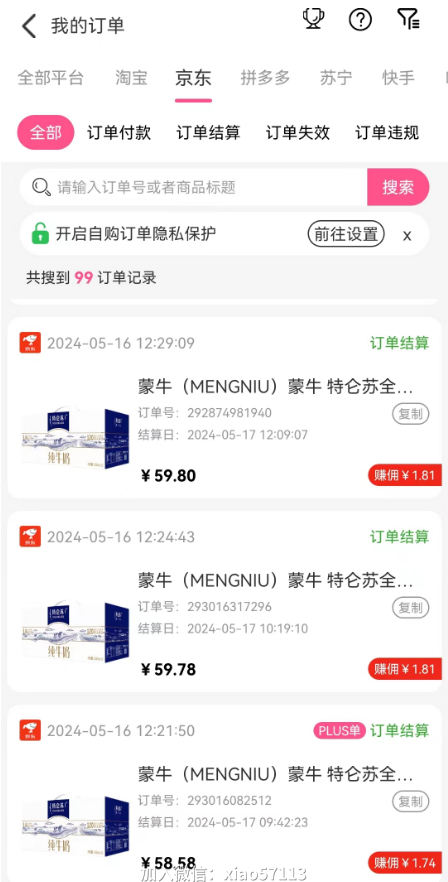
蜜源APP界面示意

推荐的商品质量靠谱吗

这是我比较关心的一个问题。AI推荐的东西会不会为了追求高返利而推荐质量一般的商品?我用这两周的体验来说:大部分推荐的商品还是正常的品牌商品或者销量比较高的产品,没有碰到明显是劣质品的推荐。

但有一个地方需要注意:智小蜜推荐的商品来源还是蜜源合作的商家,和你在蜜源普通搜索里看到的商品池是一样的。它只是换了一种筛选方式,并没有引入新的商品来源。所以质量方面和平时用蜜源购物基本一致——该看店铺评分还是要看,该翻评价还是要翻。

智小蜜帮你省的是选品和比价的时间,商品质量判断还是需要你自己把关。

智小蜜推荐的商品返利高吗

返利方面,智小蜜推荐的商品和你在蜜源里自己搜到的同一款商品返利是一样的,不存在”AI推荐返利更高”或者”AI推荐返利更低”的情况。因为返利是商家设定的推广佣金比例,跟通过什么路径找到商品无关,只要最终从蜜源跳转到电商平台下单就行。

实际体验中我发现,智小蜜倾向于推荐有优惠券和返利的商品,但它不会刻意追高返利。更多时候它推荐的是”综合性价比不错且有优惠”的商品。如果你就是想找返利最高的商品,普通搜索里按返利排序可能比智小蜜更直接。

什么情况下用智小蜜更合适

根据我这段时间的使用经验,智小蜜在以下几种场景里确实比普通搜索好用:

  • 不知道具体买什么——比如”想给妈妈买个生日礼物,预算200″,这种开放式需求普通搜索很难处理
  • 跨品类对比——比如”防晒霜和隔离霜哪个适合油皮用”,智小蜜能分别推荐两类商品供你对比
  • 送礼场景——”送男友的实用小物件”这种需求,智小蜜能给出不同品类的选择
  • 懒得翻页比价——如果你时间有限不想自己翻几十个商品,智小蜜能帮你缩窄范围

反过来,如果你已经明确知道要买哪款商品,比如”维达抽纸24包装”,直接用普通搜索更高效。

蜜源相关图片

几个实际使用中的小问题

用智小蜜的过程中碰到了一些不太顺的地方,如实说一下:

一是有时候理解偏差。我输入”夏季薄款运动裤,男款”,它给我推了几条短裤。后来我换了个说法”男款运动长裤,夏天穿的薄款”,结果就准了。说明AI对中文描述的理解还是有局限性,换个表述方式可能会得到完全不同的结果。

二是推荐数量偏少。每次通常给3到5个推荐,选择面不算大。如果你对它的推荐都不满意,还是得回到普通搜索自己找。

三是新品覆盖有滞后。刚上架的商品或者小众品牌,智小蜜可能搜不到,这种时候普通搜索更靠谱。

智小蜜适合作为蜜源购物的一个辅助入口,但不能完全替代普通搜索,两个配合着用效果最好。

如何开始使用蜜源

如果你还没有注册蜜源,在手机应用商店搜索”蜜源”下载安装,用手机号注册,填写我自己长期在用的邀请码999333,然后授权绑定淘宝或京东账号就可以开始用了。注册完成后可以把蜜源更新到最新版本,首页找到智小蜜的入口,试着用自然语言描述一个你最近想买的东西,看看AI推荐的和你自己搜到的有什么差别。

常见问题

智小蜜需要额外付费吗?

不需要。智小蜜是蜜源APP内置的功能,只要你的蜜源是最新版本就能直接使用,不收任何费用,推荐商品领券下单后该有多少返利还是多少返利。

智小蜜支持语音输入吗?

目前智小蜜的输入方式主要是文字,在对话框里打字描述你的需求。如果后续版本支持语音输入,APP内会有相应提示。

智小蜜推荐的商品可以用超补和千万补贴吗?

如果智小蜜推荐的商品恰好出现在超级补贴或千万补贴的活动列表里,那就可以享受额外补贴。但智小蜜本身不会标注哪些商品在补贴活动中,需要你自己去超补入口对照查看。

不填邀请码能用智小蜜吗?

蜜源是邀请制APP,注册时必须填写邀请码才能登录使用,不填邀请码无法注册。填写邀请码后可以解锁VIP权益,享受完整的返利功能。

蜜源智小真能帮你选到便宜好货吗?999333用户真实反馈 Read More »

Why Personality Awareness Drives Personal Growth

Personality Decoded: What Your Traits Reveal About You

Marketers have spent decades obsessing over demographics. Age, gender, zip code — the usual suspects. But here’s what most teams miss entirely: two 34-year-old women in the same city can respond to completely opposite messaging because their underlying behavioral drivers are worlds apart. That gap between “who someone is on paper” and “how they actually make decisions” is where the real leverage lives.

Recent psychometric research has moved well beyond surface-level audience segmentation. A massive 2026 study of over 1.3 million participants identified a refined personality structure — Social Adaptation and Spontaneous Mentation — that outperforms traditional frameworks at predicting behavioral patterns. Meanwhile, geneticists have mapped over 90 genome-wide loci tied to personality meta-traits, confirming that behavioral tendencies run far deeper than demographics can capture.

The practical implication for anyone crafting copy, building funnels, or designing product experiences? Personality-based segmentation isn’t a novelty — it’s a precision tool that traditional A/B testing fundamentally cannot replicate.

Why Demographic A/B Testing Hits a Ceiling

Standard A/B testing optimizes surface elements: headlines, button colors, CTA phrasing. It tells you what performed better, but never why — and certainly not for whom. Two variations might split 50/50 across an audience while masking massive variance within each segment.

Think of it this way: showing the same discount headline to a security-focused buyer and an experience collector is like handing the same menu to someone craving comfort food and someone adventurous. Both might click, but for entirely different reasons — and you’ll never learn which one from aggregate conversion data.

Micro-personality segmentation flips this model. Instead of testing creative against a monolithic audience, you segment by behavioral traits first, then tailor messaging to each group’s internal logic. Reports from early adopters in direct-to-consumer marketing suggest average ROAS improvements of 582% when creative is mapped to personality-driven segments rather than demographic buckets.

The Five High-Performing Personality Segments

Here’s a practical framework built from 47 behavioral micro-traits distilled into five actionable segments. Each one represents a distinct decision-making engine — and each demands its own copy formula.

1. Achievement Optimizers

Core driver: Progress, measurable results, efficiency. They want proof that something works and clear metrics showing improvement.

Copy formula: Lead with outcome data. Use specificity. Frame the product as a lever that multiplies effort they’re already investing.

“Cut your campaign setup time in half — teams using this framework launch tests 3x faster with fewer revision cycles.”

2. Social Validators

Core driver: Belonging, social proof, consensus. They look for signals that others like them have made this choice successfully.

Copy formula: Lead with community adoption. Reference peer behavior. Frame the product as a bridge to a group they want to join.

“Join the 12,000+ marketers who restructured their creative testing around personality — not demographics.”

3. Knowledge Seekers

Core driver: Understanding, depth, mastery. They want to learn how something works, not just what it does. They’ll read long-form content if it’s genuinely substantive.

Copy formula: Lead with mechanism. Explain the “why” behind the result. Offer frameworks, not just features. This segment responds well to detailed breakdowns and research citations.

“Here’s the psychometric data behind why micro-segmentation outperforms demographic targeting by wide margins.”

4. Experience Collectors

Core driver: Novelty, curiosity, exploration. They’re drawn to new approaches and get bored with recycled tactics. They want to feel like early adopters.

Copy formula: Lead with what’s different. Frame the approach as emerging or under-the-radar. Emphasize that this isn’t what everyone else is doing — and that’s the point.

“Most teams are still A/B testing headlines. This approach goes three layers deeper.”

5. Security Focused

Core driver: Risk reduction, reliability, proven outcomes. They need reassurance before committing. Uncertainty is their biggest friction point.

Copy formula: Lead with safeguards. Offer guarantees or low-risk entry points. Reference track record and stability rather than innovation.

“Backed by psychometric research with sample sizes exceeding one million participants — this isn’t experimental.”

How to Build a Personality-Segmented Copy System

Implementing this framework doesn’t require a complete overhaul. Here’s a step-by-step approach that scales from a single landing page to full-funnel personalization.

Step 1: Map your existing audience against the five segments. Survey a representative sample or analyze behavioral data (time on page, scroll depth, content preferences, purchase patterns) to estimate segment distribution. Most audiences skew 2-3 dominant segments.

Step 2: Audit your current creative. Run your existing headlines, ad copy, and email sequences through the segment lens. Which segments does your current messaging naturally serve? Where are the blind spots?

Step 3: Develop variant copy for each dominant segment. Use the copy formulas above as starting points. Write three versions of your top-performing headline — one optimized for each of your top segments.

Step 4: Test within segments, not across them. This is the critical shift. Instead of showing Variant A vs. Variant B to everyone, show Variant A to Achievement Optimizers and Variant B to Security Focused — each variant matched to its segment’s logic.

Step 5: Measure segment-level performance. Track conversion by segment, not just by variant. Over time, you’ll build a personality-mapped performance database that compounds in value.

If you want to understand your own personality type as a starting point, tools like personalitree.com offer free assessments covering Big Five traits and 16-type frameworks — useful for calibrating your intuition before scaling to audience-level segmentation.

Practical Tips for Getting This Right

  • Start with one channel. Don’t try to personality-segment everything at once. Pick the channel with the most data — usually email or paid social — and build from there.
  • Watch for segment drift. People aren’t static. A Knowledge Seeker evaluating a new tool might temporarily behave like a Security Focused buyer. Context matters.
  • Avoid over-personalizing. There’s a line between relevant and invasive. Personality segmentation should feel like you understand the buyer, not that you’ve read their diary.
  • Use character-led creative. Brands are increasingly building recurring character universes across ad iterations, creating synthetic familiarity that combats creative fatigue. Map different characters to different personality segments.
  • Layer personality with context. A Security Focused buyer at the top of funnel needs different messaging than the same person at checkout. Combine personality segmentation with journey-stage logic.

Common Questions

Can this work for B2B? Absolutely. B2B buying committees are personality mosaics. A CFO needs risk framing. A technical lead needs depth. A champion seller needs social proof. Personality segmentation is arguably more valuable in B2B because you’re navigating multiple decision-makers simultaneously.

Do I need expensive psychometric tools? No. Start with behavioral proxies — content engagement patterns, purchase history, support interactions. These reveal personality signals without requiring formal assessments. For deeper calibration, platforms like personalitree.com provide free trait-level assessments you can reference when building segment profiles.

How many segments should I target? Two to three at first. Most audiences have 2-3 dominant segments that account for the majority of conversions. Trying to personalize for all five simultaneously stretches resources thin without proportional returns.

What’s the biggest mistake teams make? Treating personality segmentation as a one-time project instead of an ongoing system. Behavioral patterns shift. Markets evolve. The teams seeing the strongest results revisit their segment models quarterly.

Your Next Move

The shift from demographic targeting to personality-driven segmentation isn’t theoretical anymore. The research is robust, the frameworks are proven, and the ROAS data speaks clearly. What’s holding most teams back isn’t access to tools — it’s the decision to stop testing headlines and start understanding the humans behind the clicks.

Take the first step: identify which of the five segments your best customers actually belong to. Then rewrite one headline — just one — tailored to that segment’s core driver. Run the test. Let the data show you what personality-aware copy can do.

Why Personality Awareness Drives Personal Growth Read More »

学生党用蜜源999333能省多少?校园网购省钱实测分享

蜜源注册后到底怎么用?3分钟搞懂自购省钱和分享赚佣金的完整流程

注册完蜜源APP之后,很多人的第一反应是”然后呢?”——打开界面一堆功能不知道从哪下手。其实核心就两件事:自购省钱分享赚佣金。自购省钱的路径是”搜商品→领券→跳转下单→确认收货后返利到账”;分享赚佣金则是把商品链接发给朋友,朋友下单后你获得一笔佣金。整个过程不需要囤货、不需要发朋友圈刷屏,本质上你是在用一个导购工具帮自己和身边人省钱。

如果你是刚注册的新用户,下载蜜源APP后用手机号登录,搜索你想买的商品(比如”夏季连衣裙”),系统会自动匹配可用的优惠券和返利比例。点击领券后跳转到对应电商平台完成下单,确认收货后佣金就会进入你的蜜源账户。把商品分享给朋友也是同样的逻辑,朋友通过你的链接下单,你就能获得对应的佣金收入。

简单总结:蜜源的核心逻辑就是”先领券再购物”,不管自己买还是推荐别人买,都比直接在电商平台下单更划算。

蜜源到底是什么?不只是”另一个返利APP”

蜜源是一款社交电商导购平台,和淘宝、天猫、京东、拼多多等主流电商都有深度合作。它做的事情本质上是帮用户找到那些电商平台上有、但普通人很难自己找到的隐藏优惠券和返利通道。你通过蜜源下单,平台从商家那里拿到推广佣金,再把一部分返给你——这就是”自购省钱”的底层逻辑。

不过近两年蜜源最大的变化,是推出了一个叫“智小蜜”的AI购物助手。传统返利APP的使用方式是”你自己搜、自己比、自己下单”,但智小蜜做了一件不一样的事:你只需要告诉它你的需求(比如”给妈妈买生日礼物,预算200以内”),它会自动从海量商品库中筛选匹配,直接给你推荐最合适的商品并附上优惠链接。

这和传统的人工推荐有什么区别?举个简单的例子:以前你想找一件性价比高的婴儿推车,可能要在小红书翻十几篇笔记、在淘宝对比几十个商品,最后还不确定有没有漏掉更好的选项。而智小蜜的AI推荐引擎可以快速遍历全平台的商品数据,综合价格、销量、优惠力度等多个维度给出推荐,省去了你自己做功课的时间。

蜜源已经从一个单纯的”找券工具”进化成了”AI帮你选货+领券下单”的智能导购平台。

下载注册蜜源APP:手把手教你完成第一步

在手机应用商店搜索”蜜源”就能找到官方APP,安卓和iOS都支持。下载安装后打开,用手机号注册登录即可。注册过程中会提示你填写邀请码,这一步不要跳过——填写蜜源邀请码999333可以帮你开通相应的返利权益,确保后续购物的佣金能正常到账。

注册完成后进入首页,你会看到几个核心板块:

  • 搜索栏:直接输入你想买的商品关键词,快速找到优惠券
  • 分类频道:按品类浏览(美妆、服饰、食品、家居等)
  • 智小蜜入口:AI购物助手,描述需求即可获得推荐
  • 我的:查看佣金余额、提现记录、邀请好友等

注册的核心就是”下载APP→手机号登录→填写邀请码→开始搜商品”,整个过程不超过3分钟。

智小蜜AI助手:从”人找货”到”AI帮选货”的体验升级

智小蜜是蜜源近两年推出的AI导购功能,也是蜜源和其他传统返利APP拉开差距的关键。它的使用方式非常简单:在APP内找到智小蜜入口,用日常语言描述你的购物需求就行。比如你可以说”想找一款适合干皮的防晒霜,预算100以内”,或者”帮我挑几款适合送长辈的茶叶礼盒”。

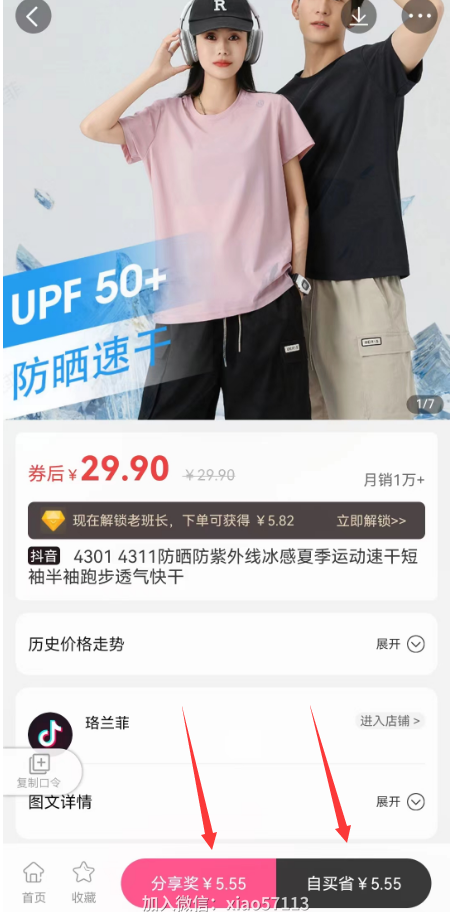
蜜源APP界面示意图

智小蜜会根据你的描述,从合作商家的商品库中筛选出匹配度最高的几款商品,每一款都会标注原价、券后价、返利金额。你不需要自己一个个去比价,AI已经帮你完成了最耗时的选品环节。选好之后直接点击领券下单就行,和普通购物流程完全一样。

对于那些”不知道买什么好”或者”懒得花时间比价”的人来说,这个功能确实解决了实际痛点。它不是简单地按销量排序给你看,而是结合你的预算、偏好、使用场景做个性化推荐。

智小蜜的价值在于:把”你自己做功课比价”这个最耗时的环节交给了AI,你只需要做最后的购买决策。

自购省钱:从领券到返利到账的完整流程

通过蜜源购物省钱的流程可以拆成四步:

第一步:搜索或浏览商品。在蜜源APP首页的搜索栏输入关键词,或者通过分类频道找到你想买的商品。

第二步:领取优惠券。点击商品后,页面会显示该商品可用的优惠券面额和使用条件。点击”领券”按钮,系统会自动跳转到对应电商平台的商品页面。

第三步:正常下单付款。在电商平台完成选购和支付,这个过程和你平时网购完全一样。

第四步:确认收货后返利到账。订单确认收货后(一般7-15天),对应的佣金会自动进入你的蜜源账户,可以在”我的”页面查看余额并申请提现。

蜜源省钱购物流程

需要注意的是,不同商品的返利比例差异较大,有的商品可能返几毛钱,有的可能返几十元。一般来说,日用品、食品类返利比例偏低,美妆、服饰、数码类会高一些。用智小蜜推荐的商品,它会直接告诉你返利金额,省得你自己去猜。

记住关键前提:一定要从蜜源跳转到电商平台下单,直接打开电商平台APP是拿不到返利的。

分享赚佣金:把省钱信息传递给身边人

蜜源的”分享赚”模式,简单来说就是:你把商品分享给朋友,朋友通过你的链接下单后,你能获得一笔佣金。这笔佣金不是从朋友口袋里掏的,而是平台从商家推广费中分给你的。

操作方式很简单:在商品详情页点击”分享”按钮,生成专属分享链接或海报,发送给微信好友、微信群或者社交平台。朋友点击链接完成购买后,佣金就会记在你的账户上。

这里需要客观说一下:分享赚佣金的收入主要来源于你和身边人的真实消费,不是说分享了就一定能赚到多少。如果朋友本身不需要这个商品,分享了也没有实际意义。所以与其说是”赚钱工具”,不如说是一个”帮身边人省钱顺便自己拿点回馈”的方式。日常把一些确实划算的商品分享给家人朋友,日积月累也是一笔不错的额外收入。

分享赚佣金的核心是”真实需求驱动”,不是靠刷屏拉人,而是真心觉得好用才推荐。

如何开始使用蜜源:从注册到第一笔佣金

如果你看完上面的内容想实际体验一下,操作路径如下:

第一步:在手机应用商店搜索”蜜源”并下载安装。

第二步:打开APP用手机号注册,注册时填写我的邀请码 999333,确保返利权益正常开通。

第三步:搜索一件你近期想买的商品,对比一下蜜源上的券后价和直接在电商平台购买的价格差异。

第四步:领券下单,确认收货后查看返利是否到账。

如果你在使用过程中有任何疑问,可以在蜜源APP内加入省钱/赚钱交流社群,和其他用户交流经验。也可以直接体验智小蜜的AI推荐功能,让AI帮你找到最划算的商品组合。

我自己长期在用的邀请码是 999333,如果你是通过这篇文章了解到蜜源的,注册时可以直接填写。后续在使用中遇到问题也可以留言交流。

常见问题解答

蜜源购物安全吗?钱会不会拿不回来?

蜜源本身不涉及任何资金交易——你在电商平台正常付款,蜜源只是帮你找到优惠券和记录返利。佣金到账后可以申请提现到支付宝或微信,平台是正规公司运营,深度合成服务算法已通过备案。

智小蜜AI推荐的商品一定最便宜吗?

智小蜜的推荐逻辑是综合价格、销量、优惠力度和用户需求做匹配,不一定是最便宜的,但通常是性价比较高的选择。最终买不买、买哪个,决定权还是在你自己手里。

分享赚佣金需要发朋友圈吗?

完全不需要。你可以选择只分享给有需要的朋友或家人,也可以加入一些购物群在合适的时机推荐。蜜源不要求你必须做任何形式的推广,分享与否、分享给谁,都是你自己的选择。

蜜源支持哪些电商平台?

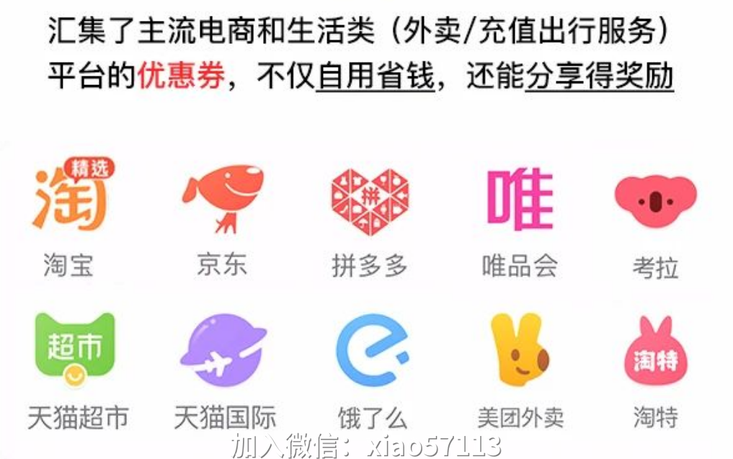
目前蜜源覆盖了淘宝、天猫、京东、拼多多、抖音电商等主流平台,基本上日常网购用到的平台都能通过蜜源找到优惠。具体支持的平台可以在APP内查看最新列表。

如果你正在找一个既能帮自己省钱、又不费太多精力的网购工具,可以现在就去应用商店搜索”蜜源”下载试试。注册时填写邀请码 this,先用一两单试试效果,觉得好用再告诉身边的朋友也不迟。

学生党用蜜源999333能省多少?校园网购省钱实测分享 Read More »

买手妈妈7625568用了半年真实感受分享

用买手妈妈和邀请码省钱:一个全职妈妈的24小时实战

从早上睁开眼到晚上哄睡娃,全职妈妈的一天里藏着无数笔消费。尿不湿、辅食、玩具、自己的日用品……每一笔都在花,但不是每笔都在省。下面这条”省钱时间轴”,就是我用买手妈妈真实走过的一天——从早到晚,看看怎么把日常消费变成实实在在的节省。

核心答案:只要在消费前多一步操作,一天下来省下的钱,足够给娃多买两包零食。

早晨7:00 — 买手妈妈搜奶粉券,邀请码注册即可用

宝宝醒了要喝奶,打开手机下单奶粉是每天的第一笔支出。以一罐奶粉为例,电商平台标价和买手妈妈能看到的隐藏券价差距不小。我通常在买手妈妈里搜索”奶粉”,点进领券页面,拿到优惠券后再跳转下单。同样的奶粉,省下来的钱够买一小袋米糊了。

早上第一笔消费就省了十几块,一天的省钱节奏就从这里开始。

上午10:00 — 买手妈妈囤纸尿裤,邀请码用户这样省

纸尿裤是刚需,用量大。我通常会在大促前用买手妈妈锁定几个品牌的优惠券,等叠加平台活动再下单。最近一单纸尿裤,叠完券比日常价便宜了将近两成。这类高复购率的商品,每次省一点,累积下来数目不小。

囤货前多花三十秒查券,长期下来能省下一笔可观的开销。

下午2:00 — 买手妈妈翻日用品券(邀请码注册享优惠)

娃午睡的时候,我习惯打开买手妈妈翻一翻今天有没有日用品的优惠券。洗衣液、抽纸、厨房湿巾……这些家家都要买的东西,偶尔能碰到比较划算的价格。有一次一箱洗衣液比超市便宜了二十多块,顺手就囤了。

零碎的日常消费里藏着不少可以节省的空间,关键是养成查券的习惯。

下午5:00 — 用买手妈妈给自己挑好物(邀请码注册可用)

全职妈妈也需要给自己买东西,哪怕是一支护手霜、一瓶洗发水。在买手妈妈里搜一搜,有时候能看到自己常用的牌子有不错的折扣。给自己花的每一分钱,也要精打细算。

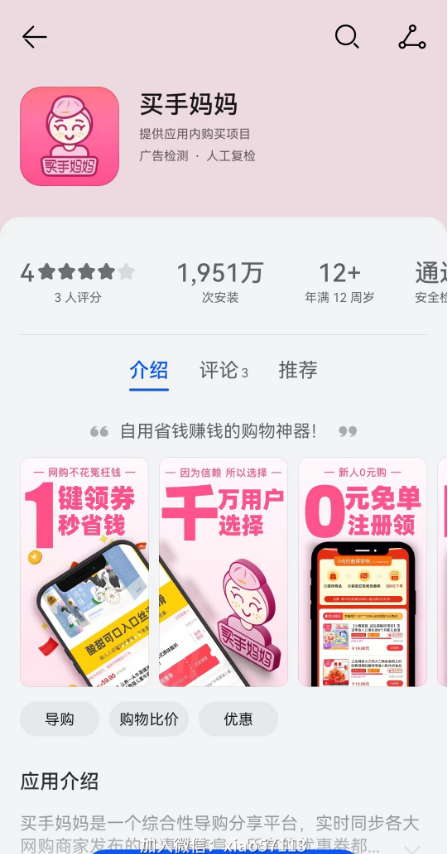
买手妈妈APP界面展示

晚上8:00 — 买手妈妈好物分享,邀请码用户互相推荐

晚上娃睡了,刷到划算的母婴好物,我会发到宝妈群里。群里几个妈妈也在用买手妈妈,大家互相推荐,有人通过我的链接下单,我也能拿到一笔小小的佣金。这不是什么大钱,但积少成多,一个月下来够娃的奶粉钱了。

自用省钱、分享赚钱,这两件事其实是同时发生的。

睡前 — 买手妈妈看今日省了多少(邀请码注册即可查看)

睡前打开买手妈妈看一眼今日省了多少钱。虽然数字不大,但这种”省下来”的感觉特别踏实。全职妈妈没有固定收入,但每一笔省下来的钱,都是实实在在的贡献。

买手妈妈到底能帮我省多少?邀请码用户实测分享

说实话,我不会夸大买手妈妈的作用,它不能让你一夜暴富。但如果你每天都在网购母婴用品、日用品,它能帮你在每一笔消费上省下一些钱。我大概算过,如果家里每月在母婴和日用品上的网购开销在两千块左右,通过买手妈妈领券下单,平均能省下百分之十到十五,一个月就是两三百块。这笔钱不算多,但一年下来就是三四千,给娃报个兴趣班的钱就有了。

为什么新手妈妈放弃买手妈妈?邀请码用户三个常见原因

根据我的观察,新手妈妈用买手妈妈放弃的常见原因有三个:第一是不知道怎么从”自用”过渡到”分享赚钱”,发朋友圈怕被屏蔽;第二是有些商品的佣金需要等确认收货后次月才能提现,等待周期长;第三是有些操作习惯会导致佣金消失,比如下单时用了店铺红包、没有从买手妈妈链接跳转等。

关键是坚持用、正确用,不要因为前期数字小就放弃。

从零开始:买手妈妈注册教程(附邀请码使用指南)

如果你是第一次听说买手妈妈,注册非常简单。

  • 第一步:下载APP — 在应用商店搜索”买手妈妈”,下载安装到手机上
  • 第二步:注册账号 — 打开APP,用手机号注册,注册时会提示填写邀请码,输入我的邀请码 7625568,完成注册
  • 第三步:开始搜索商品 — 注册后直接在首页搜索你想要的商品,领券后下单即可

整个流程大概三分钟就能搞定。注册时填写邀请码后,你就能正常使用所有功能了。

买手妈妈新手必知操作细节(邀请码注册后这样用)

下单前一定要通过买手妈妈的链接跳转到电商APP,不能自己直接打开淘宝或京东下单,否则佣金不会记录。另外,下单时尽量不要同时使用店铺红包或其他优惠券,因为有些情况下会导致佣金无法追踪。这些小细节注意到了,省下来的钱才是实实在在的。

买手妈妈注册流程示意

用买手妈妈赚佣金:邀请码注册用户除了省钱还能这样赚

买手妈妈的”自用省钱、分享赚钱”不是一句空话。除了自己下单省钱,你还可以把商品链接分享给朋友或宝妈群,有人通过你的链接购买,你就能获得佣金。佣金比例根据商品品类不同而有所差异,有些母婴用品佣金能达到百分之三十以上。

另外,如果你身边也有宝妈想做,你还可以邀请她们注册。被邀请人注册后持续在平台上消费,邀请人也能获得一定的团队奖励。不过这里要诚实说一句:收益取决于个人消费和推广能力,不是拉人头就能赚钱,不要对短期收益期待过高。

怎么找到更多宝妈交流?买手妈妈邀请码社群入口

买手妈妈有官方的宝妈交流群,可以在APP内找到入口加入。群里大家会分享选品经验、好的优惠信息,也有不少老用户分享自己的使用心得。如果你刚注册,加入交流群会帮助你更快上手。

买手妈妈常见问题解答:邀请码使用疑问都在这里

Q:买手妈妈是免费的吗?
A:注册和使用完全免费,没有会员费或年费。你通过平台领券下单省钱,不花钱也可以一直用。

Q:邀请码 7625568 有什么用?
A:这是我自己长期在用的邀请码,注册时填写可以正常完成账号创建,没有额外的神秘福利,填写后正常使用即可。

Q:为什么我下单后没有佣金?
A:常见原因有两个:一是没有通过买手妈妈链接跳转,直接打开了电商APP;二是使用了店铺红包或其他优惠导致佣金无法追踪。注意这两个细节,佣金就不会丢了。

Q:佣金什么时候能提现?
A:确认收货后次月25日至30日可以提现,到账需要一定的等待周期,建议不要急于看到短期数字,长期坚持才会有明显效果。

Q:分享赚钱会不会让朋友觉得我在打广告?
A:关键是分享方式。不要发”限时秒杀””优惠券”这种硬广话术,而是分享你真实买过、觉得好的商品,说说你的使用感受,朋友自然更容易接受。群里很多宝妈都是这样做的。

写在最后:用买手妈妈和邀请码注册后的真实感受

全职妈妈的一天从早到晚都在花钱,但不是每笔消费都在省钱。买手妈妈这个工具,就是让你在每一笔消费上多一个节省的机会。它不会改变你的生活,但会让你在日常开支上更从容一点。

如果你也想试试在网购时省一点,可以在应用商店搜索”买手妈妈”下载,注册时填写邀请码 7625568 就可以开始用了。不需要投入什么成本,先自己用起来,慢慢熟悉了再考虑分享给身边的宝妈朋友。

如果你在使用过程中有任何问题,可以加入买手妈妈的宝妈交流群,群里有不少老用户愿意帮忙解答。开始不难,难的是坚持——但每一笔省下来的钱,都在告诉你这件事值得。

买手妈妈7625568用了半年真实感受分享 Read More »

What Your Personality Type Says About Your Communication Style

When AI Reads Your Personality: What ChatGPT Revealed About My Team

Last quarter, I ran an experiment. I fed my team’s Slack messages, email drafts, and meeting notes into ChatGPT and asked it to generate MBTI profiles for each person. The results were fascinating — and deeply flawed. Three people who had tested as INTP for years came back as ESTJ. One quiet developer was labeled “highly extroverted.” The AI was confident, but was it correct?

This isn’t just a curiosity. Managers and HR professionals are increasingly wondering whether AI tools can replace traditional personality assessments. A recent study in Frontiers in Computational Neuroscience put this question to the test, using large language models to analyze text and predict personality types. The findings reveal both promise and serious limitations.

How AI “Reads” Personality

Large language models work by analyzing patterns in text — word choice, sentence structure, emotional tone, and topic preferences. When given enough writing samples, these models can identify traits that correlate with personality frameworks like the Big Five or MBTI.

The 2026 research showed that LLMs could predict MBTI types from written text with above-chance accuracy. That’s genuinely impressive. But here’s the catch: the same study found systematic biases. The models tended to over-predict certain types (especially “judging” over “perceiving”) and showed overconfidence in their assessments. They created polarized predictions that don’t reflect real population distributions.

For my team, this meant the AI saw our formal Slack communication — structured, task-focused, deadlines-oriented — and concluded we were all high on conscientiousness. It couldn’t account for the context: corporate communication norms flatten personality expression.

What AI Gets Right About Personality

Despite the bias issues, AI-driven personality analysis has genuine strengths:

  • Scalability: Analyzing hundreds of team members is impractical with traditional tests but trivial with text analysis
  • Unobtrusiveness: No one needs to fill out a 60-question survey; the analysis happens passively
  • Behavioral sampling: Instead of self-reported preferences, AI looks at actual language use — what people do, not what they say they do

A growing number of platforms are experimenting with these approaches. If you want to understand where your own personality sits across scientifically validated dimensions, tools like personalitree.com offer free Big Five and 16-type assessments that give you a grounded starting point before you jump into AI experiments.

The Biases You Need to Know About

Before you use AI to evaluate your team — or yourself — understand these limitations:

Context Blindness

People write differently in a work email versus a group chat versus a journal entry. AI typically trains on whatever text is available — often formal work communication — and misses the full spectrum of someone’s personality expression.

The Labeling Trap

MBTI’s binary forced-choice design means 50% of people get a different type when retaking the test just five weeks later. AI doesn’t fix this; it inherits the same flawed framework. If your AI-generated type doesn’t feel right, it might not be wrong — just reductive.

Overconfidence Illusion

The study found that AI models present personality predictions with high confidence levels even when accuracy is modest. This creates a dangerous dynamic: managers trust an authoritative-sounding AI output more than their own human judgment.

“The AI told me our lead designer was an INTJ. She’s one of the most collaborative, emotionally attuned people I know. I almost reshuffled our team structure based on that reading.” — Engineering Manager, anonymous feedback from my experiment

Better Ways to Use AI for Personality Insights

AI personality analysis isn’t useless — it just needs the right framing:

  • Use it as a conversation starter, not a verdict. Share AI-generated profiles with team members and ask: “Does this resonate? What’s missing?”
  • Combine frameworks. The Big Five model captures nuance that MBTI misses, including facet-level detail like “anxiety” versus “vulnerability” within neuroticism.
  • Gather more data. The more diverse text samples you feed the AI (personal writing, brainstorming notes, social chat), the richer the profile.
  • Validate against self-report. Have team members take a proper assessment and compare results with the AI’s analysis.

What Actually Matters

Personality frameworks — whether assessed by a human or an AI — are maps, not territories. They help you navigate differences in how people think, communicate, and recharge. But they become harmful when you mistake the map for the person.

My biggest takeaway from the experiment wasn’t about AI accuracy. It was about how quickly we want a single label to explain someone’s complexity. The developer who scored ESTJ from Slack messages was the same person who runs a D&D campaign, paints watercolors, and volunteers at an animal shelter on weekends. No four-letter code — and no AI model — captures that.

If you’re curious about where you fall on different personality dimensions, start with a reputable self-assessment rather than an AI guess. personalitree.com provides free, research-backed tests that give you a clearer picture than feeding your chat history to an LLM. Take a free test, explore your personality type, and see how it aligns — or doesn’t — with what AI might say about you.

What Your Personality Type Says About Your Communication Style Read More »

Why Your Personality Type Might Be Holding You Back

The $2 Billion Personality Industry Has a Honesty Problem

Every year, hundreds of millions of people sit down and type four letters into a search bar. MBTI alone pulls in roughly 800 million completions annually, while the Big Five — the framework actual researchers use — limps along at about 20% of that market. The Enneagram? It crossed 200 million completions recently. That is a staggering amount of self-examination happening across the globe, and it raises an uncomfortable question: if so many people are searching for answers, why does the industry keep delivering half-truths?

The personality assessment market generates billions in revenue. Corporations spend millions on typing sessions for their employees. Social media accounts with millions of followers churn out daily “type-specific” advice. But a growing body of research suggests that the way most people consume personality science is fundamentally broken — and the consequences ripple into how they make decisions at work, at home, and everywhere in between.

What Your Traits Actually Predict (And What They Do Not)

Before we get into the industry’s problems, it helps to understand what personality science actually says. The most robust framework — the one used in peer-reviewed research — is the Big Five, sometimes called OCEAN. It measures five broad dimensions:

  • Openness to Experience — how much you seek novelty, art, and abstract thinking
  • Conscientiousness — your tendency toward organization, discipline, and follow-through
  • Extraversion — how energized you are by social interaction
  • Agreeableness — your inclination toward cooperation and empathy
  • Neuroticism — your sensitivity to stress, anxiety, and negative emotions

These five traits predict real-world outcomes. Conscientiousness is one of the strongest predictors of job performance across industries. Neuroticism correlates with relationship dissatisfaction. Openness predicts creative achievement. These are not vague horoscopes — they are measurable, replicable patterns that show up in thousands of studies.

But here is where things get murky. The frameworks most popular with consumers — MBTI and Enneagram — operate on very different principles. MBTI sorts people into 16 rigid types based on binary either/or preferences. The problem? Research shows that 40 to 50 percent of people get a different type when they retake the test after just five weeks. Your “type” may be more like a mood than a trait. The Enneagram, while valuable for self-reflection, lacks the empirical backing that clinical psychologists demand.

The personality testing industry is caught between what sells and what science supports. Consumers want clean labels and simple answers. Researchers know that human behavior exists on a spectrum, and that rigid categories often obscure more than they reveal.

How Your Traits Quietly Shape Your Daily Decisions

Regardless of which framework resonates with you, personality traits exert a quiet but powerful influence on everyday choices. Here is how it plays out in real life:

At Work

Someone high in conscientiousness will naturally gravitate toward structured routines — detailed to-do lists, early deadlines, organized workspaces. A person lower in that trait might thrive in environments that demand rapid pivoting and improvisation. Neither is “better,” but misunderstandings about these differences cause real friction in teams. When managers assume one style of working is universally correct, they alienate half their workforce.

In Relationships

Two people high in neuroticism may find that their anxieties feed off each other, creating cycles of conflict. Meanwhile, a pairing where one partner scores high in agreeableness and the other low can create a dynamic where one person always accommodates and the other always leads. Recognizing these patterns does not mean accepting them as permanent — it means understanding the default settings so you can deliberately adjust.

In Everyday Choices

Openness to experience predicts everything from the restaurants you choose to the news sources you trust. High-openness individuals seek variety and are more likely to try unfamiliar cuisines, travel to uncommon destinations, and question conventional wisdom. Low-openness individuals prefer reliability and tradition — and there is genuine value in that stability. Your traits are not destiny, but they are a starting point for understanding why you do what you do.

A Practical Framework for Using Personality Data Honestly

Given the noise in the personality industry, how do you extract real value? Here is a step-by-step approach:

Step 1: Take a research-backed assessment. Start with the Big Five. Many platforms offer free versions that give you a spectrum-based profile rather than a rigid type. Sites like personalitree.com offer both Big Five and 16-type assessments, which lets you compare how the two frameworks describe you side by side.

Step 2: Read your results with nuance. If a trait description says you are “low in extraversion,” do not interpret that as a verdict on your social life. It means you recharge through solitude. It does not mean you are antisocial or incapable of leadership.

Step 3: Look for patterns, not labels. Instead of identifying as “an INFP,” notice that you consistently score high in openness and high in neuroticism. That combination tells you something specific: you are creative and emotionally sensitive, which means you may excel in expressive work but struggle with criticism.

Step 4: Test your assumptions. If your results say you are low in conscientiousness, try tracking your habits for two weeks. Do you actually miss deadlines, or does the test mischaracterize your flexible style as disorganization? Personality data is a hypothesis, not a conclusion.

Step 5: Revisit periodically. Your traits can shift — especially neuroticism, which tends to decrease with age and life experience. Retaking an assessment every few years reveals genuine growth or areas where old patterns are reasserting themselves.

Why the Industry Needs to Change

The rise of AI-generated personality content has made the honesty problem worse. Algorithms now produce thousands of articles per day that recycle the same type descriptions with zero nuance. When you search for “what does an INTJ want in a partner,” you are likely reading something a language model wrote in seconds, not insights drawn from actual relationship research. The result is a feedback loop: people read generic descriptions, confirm them through confirmation bias, and then share them as truth.

Meanwhile, companies still use MBTI for hiring decisions despite decades of evidence that it is not a valid predictor of job performance. Employees feel typecast. Candidates get filtered through a system that rewards a specific four-letter outcome rather than actual capability.

Consumers deserve better. They deserve assessments that respect the complexity of human behavior, results that come with context rather than clichés, and an industry that prioritizes accuracy over engagement metrics.

Frequently Asked Questions

Which personality test should I take first?

Start with the Big Five if you want scientific rigor. If you are curious about the 16-type system that dominates popular culture, take both and compare. The comparison itself is illuminating.

Can my personality type change?

Your core traits are relatively stable, but they absolutely shift over time — especially in response to major life events, therapy, and aging. Neuroticism tends to decrease; conscientiousness tends to increase. Rigidly identifying with a type can prevent you from noticing real growth.

Are personality tests useful for career decisions?

They can be — but only as one input among many. Use trait data to understand your work style preferences, not to narrow your options. A high-openness person can succeed in accounting. A low-extraversion person can be an effective manager.

What is the difference between the Big Five and MBTI?

The Big Five measures traits on a spectrum and is backed by extensive research. MBTI sorts you into one of 16 types based on binary choices. The Big Five describes tendencies; MBTI describes categories. They answer different questions, and the Big Five is generally considered more reliable.

Start Understanding Yourself More Clearly

The personality industry is not going to fix itself overnight. But you can choose to engage with it thoughtfully. Skip the clickbait type descriptions. Take an assessment that gives you nuanced results. Read those results with curiosity instead of certainty. And remember that your personality is a living thing — not a label to defend, but a landscape to explore.

If you are ready to move past the noise and see what real personality data looks like, personalitree.com is a solid place to start. You can take free Big Five and 16-type assessments, compare your results across frameworks, and begin building a more honest picture of who you are — not who a four-letter code says you should be. The questions you ask about yourself matter far more than the answers any test gives you. Start asking better ones.

Why Your Personality Type Might Be Holding You Back Read More »

学生党用蜜源怎么省钱?邀请码999333注册教程

你的网购数据,在为谁创造价值?

打开淘宝、京东、拼多多,你的每一次点击都在帮助平台优化广告投放和推荐算法。平台通过你的行为数据赚取广告费和佣金,但作为数据的生产者,你通常只拿到了”精准推荐”这种隐性回报。

有没有可能换一种方式?蜜源这款社交电商导购APP的思路是:你在淘宝、天猫、京东、拼多多等平台购物前,先通过蜜源领取隐藏优惠券,下单后还能获得一定比例的返利。你的消费行为产生的佣金,平台愿意分一部分给你。

蜜源APP界面展示

核心价值可以概括为八个字:自购省、分享赚。自己买东西能省钱,把商品链接分享给朋友,朋友下单你也能拿到佣金。这不是什么高门槛的副业,更像是把你本来就要花的钱变得更聪明一点。

蜜源怎么用?从下载到省钱只需要四步

第一步:下载蜜源APP

在手机应用商店搜索”蜜源”,下载并安装。苹果用户在App Store搜索,安卓用户在各大应用市场搜索即可,完全免费。

第二步:注册并填写邀请码

打开APP后按提示完成注册。注册过程中有一个填写邀请码的环节,这里可以输入我自己长期在用的邀请码 999333,完成绑定后即可正常使用所有功能。注册本身不会产生任何费用。

第三步:搜索商品、领取优惠券

在蜜源里搜索你想买的商品,或者直接把淘宝、京东的商品链接复制到蜜源中打开,系统会自动匹配可用的优惠券和返利信息。领券后再跳转到原平台下单就行。

第四步:查看收益和提现

下单确认收货后,返利金额会自动到账。在蜜源”我的”页面可以查看累计省下的钱和分享佣金,支持提现到支付宝或微信。

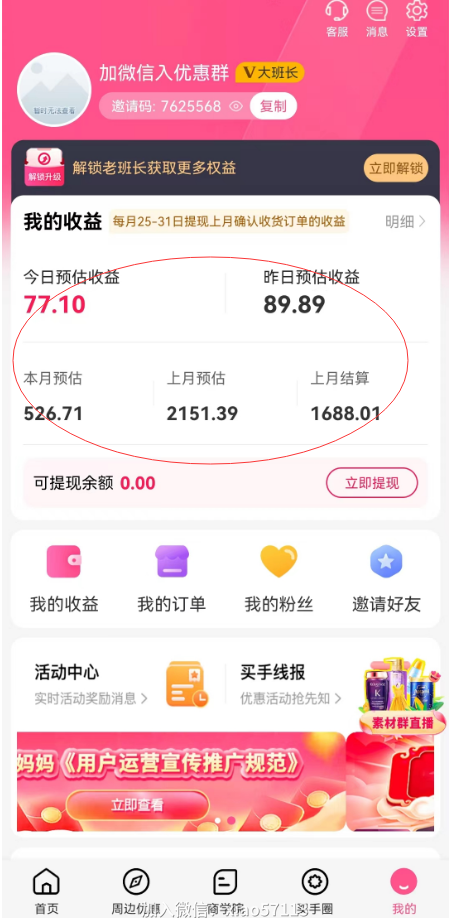
蜜源我的页面展示

哪些人适合用蜜源?

蜜源的用户以女性为主,但并不局限于特定群体:

  • 宝妈群体:日常母婴用品、家居日用开销大,通过蜜源领券每笔订单都能省下一部分
  • 学生党:网购频率高但预算有限,积少成多的效果很明显
  • 上班族:利用碎片时间在群里分享好物,既帮朋友省钱也能获得额外佣金
  • 自由职业者:可以把蜜源作为轻量级副业来经营,不需要囤货和发货

值得一提的是,蜜源近两年上线了基于文心大模型的AI智能导购助手”智小蜜”,能根据你的购物习惯推荐更合适的商品,从单纯的”领券工具”升级为”选品助手”,体验上有明显提升。

常见问题解答

蜜源和其他返利平台有什么区别?

蜜源覆盖淘宝、天猫、京东、拼多多等主流电商,品类比较全。同时它支持社交分享模式,不只自己买能省钱,分享给身边人也能产生佣金。加上AI选品工具的加入,在导购体验上有一定优势。

填写蜜源邀请码999333后有什么好处?

通过邀请码注册主要是完成用户绑定,绑定后你可以正常使用蜜源的所有功能,包括领券、返利和分享赚佣金。这是我个人长期使用的推广码,注册免费,不会产生额外费用。

分享赚钱是不是拉人头?

蜜源的分享收益主要来自你和你分享的好友的实际消费产生的佣金,并不是单纯靠拉人注册就能赚钱。收益的基础是真实交易,需要有人真的买东西才能产生佣金。

返利金额是怎么确定的?

返利比例由商家在蜜源后台设置,不同商品差异较大。一般来说,日用品、服饰、母婴类的返利比例相对稳定,大促期间部分商品会有更高的佣金比例,具体金额以你在蜜源APP中看到的为准。

从数据确权到消费主权,现在就能做的一步

回到文章开头的问题:你的网购数据在为谁创造价值?答案是大部分流向了平台。而蜜源做的事情,是把其中一小部分通过优惠券和返利的形式返还给消费者。这不是什么颠覆性的革命,但至少是一种让消费者拿回部分价值的尝试。

如果你已经有网购的习惯,只是缺少一个省钱的入口,不妨试试蜜源。下载方式很简单:应用商店搜索”蜜源”即可。注册时填写蜜源邀请码完成绑定,之后每一次网购前多一个领券的步骤,长期下来省下的钱会超出你的预期。

另外,如果你对这类省钱技巧感兴趣,也可以加入蜜源省钱交流群,和同样在用蜜源的用户交流经验和好物推荐,互相帮助把每一分钱都花在刀刃上。

学生党用蜜源怎么省钱?邀请码999333注册教程 Read More »

年底冲业绩小红书聚光该怎么加预算,节奏把控比出价更重要

小红书聚光广告从开户到起量,做代投的豹子手把手教你避坑

小红书聚光广告想做出效果,核心就三件事:选准推广目标、跑完系统学习期、用种草型素材持续迭代。但现实里,大多数广告主卡在”开户容易起量难”的困境中——展现量有了,转化跟不上,预算像流水一样花出去,ROI始终起不来。这篇文章从小红书聚光的底层逻辑出发,结合程序化广告行业的透明度真相,帮你搞懂从开户到起量的完整路径,把钱花在刀刃上。

36%的预算触达了真实用户,剩下的钱去哪了?

程序化广告(Programmatic Advertising,通过算法自动完成广告位采买和投放的技术)已经成为小红书聚光、巨量引擎、微信朋友圈广告等主流平台的底层架构。但最近的行业研究揭示了一个扎心现实:

程序化广告中仅有约36%的预算真正触达了目标用户,其余被虚假流量、中间环节截留和数据失真层层吞噬。

当后台显示”曝光10万”的时候,你需要想一个问题:这10万次展现里,有多少是真人?有多少被重复计算?平台不会主动告诉你答案,代理商未必关心,而广告主自己通常也缺乏独立监测手段。

小红书聚光的种草生态相对干净,天然过滤掉了一部分低质流量。但”相对干净”不等于”没有浪费”。不懂投放逻辑的广告主,预算照样会被无效点击和错误定向一步步吃掉。

理解程序化广告的透明度现状,是控制广告成本的认知起点。

从开户到起量:四个关键节点

推广目标决定系统”找谁”

聚光后台支持笔记互动、商品销售、客资收集、直播间引流等多种推广目标。选目标的本质是告诉系统——你希望什么人看到你的广告。很多人一上来选”笔记互动”追求曝光量,但如果你卖的是高客单价产品(医美、教育、家居定制),”客资收集”才是正确的起步方向。

选错目标 = 系统找错人 = 预算白烧。

推广目标是整个聚光投放的根基,选错了后面全白搭。

预算和出价的”学习期”陷阱

聚光采用oCPC(Optimised Cost Per Click,优化后的每次点击出价)模型,系统会根据你设定的目标转化成本自动调整竞价出价。但oCPC需要数据积累才能”学聪明”——这就是学习期。

常见踩坑点:

  • 日预算低于200元,学习期跑不动,模型建不起来
  • 一上来就压出价,拿到的都是低质流量
  • 频繁调价、频繁换素材,反复打断学习周期

建议前期日预算300-500元,跑满3-5天学习期再做调整。

素材是唯一的”可控变量”

小红书用户的使用场景是”逛”,不是”搜”。广告素材必须像一篇有价值的种草笔记,而不是硬广。封面图决定点击率,正文决定转化率,评论区决定信任度。

你没法控制平台的流量分配,也没法控制竞争对手的出价——但你能控制自己的素材质量。

聚光素材的底层逻辑:先让人愿意看,再让人愿意点,最后让人愿意买。

数据复盘才是起量的起点

开户只是开始,起量靠数据驱动的持续优化。重点关注三个指标:CTR(Click-Through Rate,点击率)、CVR(Conversion Rate,转化率)、CPA(Cost Per Action,单次转化成本)。

很多人素材没跑出来就急着换方向,数据一波动就慌手脚。其实聚光算法需要积累足够的数据量才能做出准确判断,频繁改动反而让系统”学傻了”。

我做代投这几年,真正起量的账户都经历了”数据积累→找到模型→放大预算”的过程,没有捷径。

耐心比技巧重要,数据比直觉可靠。

广告主的钱到底去哪了?三方博弈下的流量真相

广告投放不是”花钱=买流量”这么简单。平台、代理商、广告主三方的利益并不完全对齐:

  • 平台的KPI是收入和活跃度——它们希望广告主持续投入,展现量和点击量是汇报给投资者的核心数据
  • 代理商的KPI是消耗额——部分代理商按消耗比例收费,花得越多赚得越多,缺少帮广告主省钱的动力
  • 广告主的KPI是转化和ROI——每一分钱都要看到回报

这种利益错位导致了一个普遍现象:广告主的预算分散在小红书、巨量引擎和微信广告等多个平台,各平台数据互不打通,前后链路彻底割裂。用户在小红书被种草,转头去微信问了朋友的推荐,最终在其他渠道完成成交——但你的归因模型告诉你”小红书效果一般”。

数据割裂是广告主最大的隐性成本,比无效流量更可怕。

避开这三个坑,预算至少省30%

坑一:盲目追求曝光量

展现量不等于触达量。在程序化广告的竞价机制下,高曝光可能意味着你买到了大量低质流量。真正有价值的指标是有效点击和转化,不是后台数字好看。

坑二:忽视素材迭代

聚光的算法对素材有明显的”疲劳效应”——同一组素材投放7-14天后,CTR和CVR通常会明显下滑。不做素材迭代,等于坐视转化成本逐日攀升。

坑三:把代投当甩手掌柜

找人代投不等于可以完全不管。好的投放效果需要双方深度配合——广告主提供产品卖点、用户画像和转化路径,代投方负责策略制定和执行优化。双方的信息同步质量,直接决定优化效率。

我通常通过微信和客户保持日常沟通,素材确认、数据反馈、策略调整都在群里实时同步。信息不对称才是效果差的头号原因。

投放效果不是单方面的事,沟通质量决定优化上限。

想少走弯路?先做一次免费投放诊断

如果你正在做小红书聚光投放,或者准备开户但还没动手,建议先做一次免费投放诊断。我会从账户结构、素材质量、出价策略、定向设置四个维度帮你梳理现状,告诉你哪些钱可以省、哪些地方该加投。不需要任何费用,就是基于实际数据做一次全面体检。

有类似投放需求,可以加豹子的微信 xiao57113 聊聊具体情况。

常见问题

小红书聚光和巨量引擎投放有什么区别?

聚光的核心优势在于种草属性——用户在小红书是”逛”和”发现”的心态,适合做内容型广告。巨量引擎(抖音)更适合短平快的转化型投放。预算充足的情况下建议组合使用。

聚光开户后多久能看到效果?

一般需要3-5天的学习期,期间数据波动属于正常现象。建议至少跑满一周再做判断,如果一周后CTR和CPA仍不理想,再从素材和定向层面排查。

自己投放和找代投,差别到底在哪?

差别在试错成本。自己摸索可能花几个月和几万块学费才搞明白的问题,有实战经验的人帮你一两周就能避开。代投的核心价值不是”替你操作”,而是用已验证的方法论帮你缩短从开户到起量的周期。

年底冲业绩小红书聚光该怎么加预算,节奏把控比出价更重要 Read More »

How Personality Influences Decision-Making Styles

Why the Most “Boring” Personality Trait Might Be Your Biggest Career Advantage

When people take personality assessments, they tend to fixate on the exciting dimensions — how creative they are, whether they’re introverts or extroverts, how deeply they feel emotions. The trait that rarely gets a spotlight moment is conscientiousness. It sounds like something your high school guidance counselor would praise. But the research tells a different story.

Conscientiousness — one of the five core dimensions in the Big Five personality model — has quietly emerged as the single strongest predictor of career success, sustained performance, and even the ability to enter flow states. And yet, most popular personality quizzes gloss right over it.

What the Big Five Actually Measures

The Big Five framework, often remembered by the acronym OCEAN, breaks personality into five broad dimensions:

  • Openness — curiosity, creativity, preference for novelty
  • Conscientiousness — organization, discipline, goal-directed persistence
  • Extraversion — sociability, assertiveness, energy from others
  • Agreeableness — cooperation, empathy, trust
  • Neuroticism — emotional instability, tendency toward anxiety

Unlike MBTI, which sorts you into one of 16 discrete types, the Big Five measures where you fall on a spectrum for each dimension. You might be high in openness but moderate in conscientiousness. This nuance is what makes it especially useful for career guidance — it doesn’t force you into a box.

But here’s what most people miss: conscientiousness isn’t just about being “tidy” or “punctual.” It encompasses the ability to delay gratification, maintain focus over long periods, and systematically work toward goals even when motivation fades. Researchers have consistently found that this trait outperforms IQ in predicting academic achievement and job performance across nearly every industry.

The Conscientiousness Paradox

So why does this trait get so little attention in popular personality content? The answer is almost ironic. Conscientiousness isn’t dramatic. It doesn’t generate viral “INFJ door slam” memes or entertaining “ENTP debate lord” content. It’s the trait of showing up, doing the work, and following through — which doesn’t lend itself to catchy social media posts.

Yet the data is hard to ignore:

High conscientiousness is correlated with longer lifespan, higher income, better academic outcomes, stronger relationship satisfaction, and greater likelihood of entering and sustaining flow states during work.

Flow — that state of deep, effortless immersion in a task — requires sustained attention and discipline. People who score low in conscientiousness may have bursts of creativity and passion, but they often struggle to translate those moments into consistent output. The conscientious individual, by contrast, creates the conditions for flow to happen repeatedly.

This is the paradox: the trait that sounds the least glamorous is actually the one doing the heavy lifting behind the scenes.

Where MBTI Fits In

MBTI and the Big Five aren’t competitors — they measure overlapping but distinct aspects of personality. MBTI, with its 16 types derived from Carl Jung’s theory, focuses on how you perceive information and make decisions. It’s excellent for understanding communication styles and interpersonal dynamics.

For example, an ENTJ and an INFP may both score high in conscientiousness, but they channel it in completely different ways. The ENTJ might organize entire teams and drive strategic execution. The INFP might channel that same discipline into writing a novel or building a personal project with deep emotional meaning.

Understanding both frameworks gives you a richer picture. MBTI tells you how you work. The Big Five, particularly conscientiousness, tells you how consistently you work. The combination is where real career insight lives.

If you want to discover your own personality type across both frameworks, tools like personalitree.com offer free Big Five and 16-type assessments that let you compare results side by side.

How Personality Influences Decision-Making Styles Read More »