知识

聚光投放评论区冷清的5个常见原因

小红书聚光投了广告但评论区没人问?问题可能出在这

有个做婚礼策划的客户,聚光计划跑得还行,点击率不算低,消耗也正常,但私信咨询量一直上不去。她跑来问我是不是出价有问题,或者定向不够精准。我打开她的笔记一看,正文写得挺用心,配图也好看,但评论区一条评论都没有,干干净净得像刚注册的新号。

这就是问题所在。小红书的用户有个特点:下单决策前一定会翻评论区。评论区热闹、有真实互动,用户才觉得靠谱;评论区空空如也,哪怕笔记内容再好,用户也会犹豫——”这商家是不是没人买过?””会不会是骗子?”

聚光投放里,评论区其实是第二个落地页,重要性不亚于笔记正文。今天聊聊评论区运营这件事,很多商家根本没意识到它的价值。

评论区冷清,用户为什么不留言

用户看了你的广告笔记,心里其实有很多疑问,但就是不评论。原因有几个:

笔记正文没有埋”钩子”。有些商家的笔记从头到尾都在讲产品多好、服务多棒,但用户看完不知道该怎么接话。你不在正文里留一个开放性的问题,用户就算想互动也不知道说什么。比如做婚礼策划的,笔记结尾加一句”你 dream wedding 是什么风格的?评论区聊聊”,比单纯放联系方式效果好得多。

评论区没有”氛围”。用户看到一条评论都没有,本能地不想当”第一个留言的人”。这是社交心理学里的从众效应,评论区越热闹,越有人愿意参与;越冷清,越没人敢开口。

还有就是商家回复太慢。用户评论了,商家隔了一两天才回,热情早就凉了。小红书的用户期待的是即时互动,你回复得快,用户会觉得”这家很重视我”,转化率自然上去。

评论区怎么铺,才能提升转化

新笔记投放前,建议先自己铺几条评论。不是让你刷假评论,而是把用户最关心的问题提前”种”在评论区。

具体怎么做?把你销售团队日常被问得最多的问题列出来,挑3-5个最有代表性的,用不同的账号在评论区提问。比如”你们套餐包含场地布置吗?””异地婚礼接吗?””大概什么价位?”这些问题都是真实用户会关心的,提前铺好既能让后来的用户看到”这家有人咨询过”,又能引导他们顺着这些问题继续问。

铺评论的时候注意,不要用同一个IP、同一部手机操作,容易被系统判定为刷量。找同事、朋友帮忙,用不同的设备和网络环境发,更自然。

评论的内容也要有层次。除了提问,还可以有”已下单等反馈””朋友推荐来的””之前咨询过,服务态度很好”这类正向反馈。但别太夸张,”太棒了!””超级满意!”这种一看就像刷的,反而起反作用。

回复评论的话术有讲究

评论区回复不是简单回个”谢谢”就完事了,每一句话都是在跟潜在用户对话。

用户问价格,不要直接报数字。小红书的用户对价格很敏感,你直接说”套餐一万起”,很多人就被吓跑了。可以回”不同规模和风格差异挺大的,方便的话可以私信发你几个案例和对应的报价单,参考一下”。这样既回答了问题,又把用户引导到私信,转化率更高。

用户问”好不好”,不要只回”很好的”。具体一点,”上个月刚做完一场户外草坪婚礼,新人反馈现场效果比设计图还好看,照片我发你私信?”有细节、有场景,说服力完全不一样。

负面评论更要重视。有些商家看到差评就删,这是最蠢的做法。负面评论处理得好,反而能体现你的专业和诚意。比如用户说”听说你们家有点贵”,可以回”确实比市面上一些模板化的方案贵一些,主要是定制程度比较高,每一场都是单独设计。如果预算有限,也有简化版的方案可以聊”。坦诚、不回避、给选择,用户反而更信任。

评论区维护的日常节奏

评论区运营不是一次性的事,需要持续维护。

投放期间,建议每天早中晚各看一次评论区,有新评论就尽快回复。回复的时候不要只回提问的那个人,要想清楚这条回复是给所有看评论区的人看的。你的回复内容要有信息量,让围观的人也能从中获取价值。

投放一段时间后,评论区会积累不少互动。这时候可以定期整理一下高频问题,更新到笔记正文里,或者单独发一篇FAQ笔记。这样新来的用户不用翻评论区也能找到答案,体验更好。

还有一个技巧:在评论区主动”制造”话题。比如”最近好多姐妹问户外婚礼下雨怎么办,我整理了一份应急预案,想要的可以私信”——这种评论既提供了价值,又自然地把用户往私信引导。

评论区和私信怎么配合

评论区是公域,私信是私域,两者要配合着用。

公域评论区负责建立信任、回答共性问题;私信负责深度沟通、个性化方案、最终转化。不要把所有信息都在评论区说完,留一点悬念引导用户私信。比如用户问”你们有什么套餐”,评论区回”我们有三个档位的方案,区别主要在场地规模和定制深度,我私信发你详细对比表?”

私信回复也要注意,不要一上来就发硬广。先回应用户的具体问题,建立信任感,再自然地介绍服务。小红书的用户对”被推销”很敏感,你越是急着成交,用户越防备。

聚光投放不只是花钱买曝光,从笔记内容到评论区互动再到私信跟进,每个环节都在影响最终的转化。有具体问题可以交流,微信xiao57113,平时也会分享一些聚光实操的干货。

聚光投放评论区冷清的5个常见原因 Read More »

蜜源邀请码999333注册后,为什么有人觉得没用

蜜源不适合什么人?邀请码999333用户说几句实话

群里经常有人问蜜源好不好用,我一般都会先反问一句:你平时网购频率怎么样?这不是敷衍,是因为蜜源这个工具的效果跟你的消费习惯直接挂钩。我用了快两年,填的邀请码是999333,整体体验不错,但我也见过不少人注册之后觉得”没什么用”。今天从反面聊聊,哪些人可能真的不太适合用蜜源。

一个月网购不到5次的人

蜜源的省钱逻辑是积少成多。单笔订单省几块到几十块,一个月攒下来两三百,一年就是两三千。但这个前提是你得有足够的下单量。如果你一个月就在淘宝上买一两单,就算每单都走蜜源查一遍,一个月也就省个十几二十块。很多人觉得”省这么点有什么意义”,然后就把App卸了。

我认识一个同事,注册蜜源之后用了两次,第三次就忘了打开,后来跟我说”这东西没什么用”。其实不是蜜源没用,是她本身的消费频率太低,省下来的金额感知不强。对这类人来说,蜜源带来的麻烦(多一步操作)可能比省下来的钱更烦。

蜜源App界面

只买品牌官方旗舰店的人

蜜源的返利来源是商家设置的推广佣金。有些品牌对价格体系控制得很严,官方旗舰店基本不设置佣金,你在蜜源上搜这类商品,经常显示”暂无优惠”。比如某些大牌护肤品、部分奢侈品牌、苹果官方配件这些,走蜜源基本查不到什么。

如果你买东西只认准官方旗舰店,而且品类集中在这些严格控制价格的品牌上,那蜜源能帮到你的地方确实有限。我之前帮一个朋友查过她常买的几个牌子,结果一半以上搜出来都是空的,她当场就觉得”这App不行”。其实不是不行,是她的购物习惯跟蜜源的覆盖范围不太匹配。

指望靠分享赚大钱的人

蜜源确实有分享赚佣金的功能,你把商品链接发到群里,别人下单你能拿到一部分佣金。但很多人对这个收入的预期太高了。我自己的情况是建了个50来人的同事群,偶尔发一些自己验证过确实划算的东西,一个月分享佣金大概四五百块。

四五百块不多,但也没费什么劲。可如果你是冲着”月入过万”的心态来做蜜源推广,大概率会失望。蜜源的分享佣金是按订单实际金额来的,不是固定费用。你群里的人买的东西越便宜,你拿到的佣金越少。除非你能建起几百上千人的活跃社群,否则靠分享赚的钱就是个零花钱水平。

我见过有人为了推广蜜源,把通讯录里所有人都拉进群,每天狂发链接,结果没几天就被屏蔽了。这种做法不光效果差,还容易伤人脉。蜜源分享赚钱这件事,适合本来就有分享习惯的人顺手做,不适合把它当成一个”项目”来搞。

没有耐心适应新操作流程的人

用蜜源比直接在淘宝下单多了一个步骤:复制链接 → 打开蜜源 → 查优惠券和返利 → 跳转下单。对习惯了直接下单的人来说,这几步操作可能会觉得烦。尤其是刚开始用的时候,经常忘了打开蜜源,下单完才想起来,然后后悔。

我刚开始用的时候也经常忘,大概用了一个月才养成习惯。如果你是个急性子,觉得多一步操作都是浪费时间,那蜜源确实不适合你。工具再好,你不用它就等于没有。

蜜源省钱示意图

那蜜源到底适合谁

说了这么多”不适合”,也说说什么样的情况用蜜源比较值。家里有日常采购需求的人——洗衣液、纸巾、米面粮油这些消耗品复购率高,长期走蜜源省下来的钱比较可观。喜欢比价的人,本来就有货比三家的习惯,多花30秒在蜜源上查一下,往往能找到更划算的渠道。还有618、双11这种大促节点,蜜源的价值会放大很多,隐藏优惠券叠加平台满减,省个几百上千不夸张。

我自己的感受是,蜜源就是个工具,不会改变你的生活,但确实能让每笔网购少花点钱。省下来的单笔不多,一年攒下来也够换部手机。关键是你的消费习惯得跟它匹配——网购频率够、品类覆盖够、愿意多花那30秒操作。这三个条件缺一个,蜜源的价值都会大打折扣。

想试试的朋友可以下载蜜源App,注册时填邀请码999333,先用一个月看看适不适合自己的消费习惯。反正注册免费,觉得没意义卸了就是,没什么损失。

蜜源邀请码999333注册后,为什么有人觉得没用 Read More »

广告素材审核不通过就不管了?小心账户被封

广告账户突然被封了?投手亲历的申诉和防封经验

上个月帮一个商家处理账户被封的事,从发现封禁到提交申诉材料,再到恢复投放,前后折腾了快两周。这个过程中踩了不少坑,也摸清了一些门道。今天把经验整理出来,因为这种事真的太常见了——你投得好好的,突然账户就受限了,连个缓冲期都不给。

巨量引擎2025年的治理报告里有个数据挺吓人的:全年关停风险账户超过400万个,单日处置黑产账户峰值突破20万个。当然这里面大部分是恶意违规的,但也不排除有一部分正常投放的商家被误伤。2026年平台审核又升级了,AI审核模型更严格,稍不注意就可能触发风控。

账户被封之前,其实有信号

很多商家以为账户被封是”突然”的,其实大部分情况下平台给过预警,只是没注意到。

最明显的信号是素材审核通过率突然下降。平时传10条素材能过8条,突然只能过2、3条,而且拒审理由五花八门,说明你的账户已经被标记为”高风险”,审核标准变严了。

另一个信号是计划跑量异常。预算没动、出价没改,但消耗突然断崖式下跌,或者新计划怎么都跑不起来。这不一定是定向或出价的问题,可能是账户被隐性限流了。

还有一种是收到平台站内信或邮件警告,很多人看都不看就关了。这种警告通常意味着你已经触碰了红线边缘,再不整改下一步就是封禁。

被封的常见原因,看看你中了几条

做了这么久投放,见过各种被封的案例,总结下来高频原因就这几类:

素材违规是最常见的。夸大宣传、用”最低价””绝对有效”这类广告法禁用词,或者素材里出现了二维码、微信号等第三方导流信息。2026年平台对AI生成素材的管控更严了,用AI做的图片和视频必须标注”AI生成内容”,不标注直接拒审,严重的直接封户。

扒素材也是重灾区。有些商家图省事,直接拿同行的视频混剪一下就投,平台现在识别能力很强,这类行为一抓一个准。

操作异常也容易触发风控。比如频繁更换设备登录、短时间内大量修改计划、新账户一上来就大预算猛投。平台的风控系统会把这种行为判定为”异常操作”,轻则限流,重则封禁。

资质问题容易被忽略。有些行业需要特殊资质(比如医美、教育培训、金融),如果资质过期或者跟投放类目不匹配,账户也可能被限制。

被封了怎么办,申诉的几个关键点

发现账户被封,别慌,也别急着骂客服。有几点很关键:

封禁后24小时内,先把所有能留的证据固化下来。截取弹窗提示、下载违规记录、保存平台通知短信和邮件。因为有些后台记录会被自动覆盖,过了这个时间窗口你想找证据都找不到。

申诉材料要准备充分。营业执照、行业许可证这些基础材料不用说,关键是”情况说明书”要写好。不是让你写小作文诉苦,而是用表格对比的方式,把”平台判定的违规理由”和”你的实际情况”一一对应说明。文字要简洁,聚焦事实,别带情绪。

申诉渠道有多个,别只在一个地方等。巨量引擎的申诉可以走APP内的创作者服务中心,也可以发邮件到ec@douyin.com,还可以打广告审核专线95152。多渠道并行,处理速度会快一些。

首次申诉建议在收到通知后48小时内提交,拖得越久恢复的可能性越低。如果首次申诉被驳回,别放弃,可以补充材料申请人工复核。

日常防封比申诉更重要

处理过这么多封户案例,我越来越觉得,防封比申诉重要得多。账户一旦被封,就算申诉成功,中间损失的投放时间和流量是补不回来的。

日常操作里有几个习惯建议养成:定期去巨量引擎后台的”违规查询”看一眼,确认账户状态正常;素材上传前用巨量创意平台的预审功能测一下,提前发现问题;文案写完用”句易网”这类工具扫一遍违禁词,几秒钟的事,能避免很多麻烦。

新账户尤其要注意,别一创建就大预算猛投。先小预算跑几天,让账户”养”起来,再逐步放量。这个逻辑跟社交养号差不多,平台对新账户的风控本来就严,你一上来就猛操作,很容易被判定为异常。

还有一点容易被忽视:一个营业执照在巨量引擎能开多个账户,但别把鸡蛋放一个篮子里。主力账户好好维护,备用账户保持活跃,万一主力出问题不至于完全停摆。

广告投放这个事,平台规则一直在变,审核标准越来越严。作为投手,能做的就是及时跟进规则变化,把合规做到前面。有账户安全相关的问题可以聊聊,微信xiao57113,平时也会分享一些投放避坑的实操经验。

广告素材审核不通过就不管了?小心账户被封 Read More »

How Introverts and Extroverts Differ in Career Preferences and Success

Choosing a career is one of the most consequential decisions most people make, yet traditional guidance often relies on generic advice that ignores a critical variable: personality. While skills, education, and market demand all matter, decades of research suggest that alignment between your innate personality tendencies and your work environment is a strong predictor of long-term satisfaction, performance, and even income. The 16 Personalities framework — based on the Myers-Briggs Type Indicator and Carl Jung’s theory of psychological types — offers a practical lens for understanding why some careers feel energizing while others drain you, even when the paycheck is identical.

It is important to acknowledge upfront that the 16 Personalities model, like the MBTI, has faced scientific criticism. It lacks the predictive validity of the Big Five in many research contexts, and the binary categories (introvert versus extravert, thinking versus feeling) oversimplify traits that actually exist on spectrums. That said, the framework remains widely used in career counseling, team development, and organizational psychology precisely because it resonates with people’s self-perceptions and provides accessible language for discussing work preferences. Used thoughtfully, it can be a useful starting point for self-reflection rather than a rigid sorting hat.

How the 16 Types Map to Career Environments

The 16 Personalities framework sorts individuals along four dichotomies: Extraversion versus Introversion, Sensing versus Intuition, Thinking versus Feeling, and Judging versus Perceiving. Each combination produces a four-letter type — INTJ, ESFP, and so on — that describes a general pattern of preferences. In career terms, these preferences translate into distinct workplace needs.

Extraverts typically thrive in roles with frequent social interaction, collaborative decision-making, and visible impact. They often gravitate toward sales, teaching, management, and public relations. Introverts, by contrast, frequently prefer environments that allow for deep concentration, independent work, and one-on-one communication. Software engineering, research, writing, and specialized technical roles often suit them better. The key distinction is not social skill but energy source: extraverts gain momentum from external engagement, while introverts recharge through solitary focus.

Sensing types prefer concrete, practical work with tangible outcomes. They excel in roles requiring attention to detail, adherence to established methods, and hands-on problem-solving. Nursing, accounting, operations management, and skilled trades frequently attract sensing-dominant individuals. Intuitive types are drawn to abstract thinking, pattern recognition, and future-oriented planning. They often thrive in strategy, entrepreneurship, design, and research roles where innovation and big-picture thinking are valued over procedural precision.

Thinking types prioritize logical analysis, objective criteria, and impersonal fairness in their work. They tend to perform well in fields like law, engineering, finance, and data science where decisions must be defensible and evidence-based. Feeling types emphasize harmony, values alignment, and interpersonal impact. They are often drawn to counseling, human resources, education, healthcare, and nonprofit work where empathy and relationship quality are central to the role.

Judging types prefer structure, deadlines, and clear expectations. They typically do well in organized environments with defined hierarchies and predictable workflows. Project management, administration, and compliance roles often suit them. Perceiving types value flexibility, spontaneity, and openness to new information. They frequently excel in creative fields, consulting, journalism, and startup environments where adaptability is more important than adherence to rigid plans.

Specific Type Strengths in the Workplace

Rather than listing all sixteen types, which can feel like reading a horoscope, it is more useful to examine how specific type patterns manifest in professional settings.

INTJs, often called architects or strategists, combine introverted intuition with extraverted thinking. They are natural systems-builders who excel at long-term planning, identifying inefficiencies, and executing complex projects with minimal oversight. Their career satisfaction tends to peak in roles that grant autonomy and reward strategic thinking — management consulting, software architecture, scientific research, and executive leadership. Their blind spot is sometimes dismissing social and emotional factors that also influence organizational success.

ENFPs, the campaigners, bring extraverted intuition and introverted feeling to their work. They are idea generators who thrive on variety, human connection, and creative exploration. Marketing, entrepreneurship, coaching, and media production often suit them well. Their challenge is follow-through: the same openness that generates brilliant ideas can lead to unfinished projects and scattered attention if not managed deliberately.

ISTJs, the logisticians, are among the most reliable employees in any organization. Their combination of introverted sensing and extraverted thinking produces meticulous, methodical work habits and a strong sense of duty. They excel in roles requiring accuracy, consistency, and accountability — accounting, logistics, quality assurance, and systems administration. Their growth edge is adaptability: in rapidly changing environments, their preference for proven methods can become a limitation.

ESFJs, the consuls, are the organizational glue in many workplaces. Their extraverted feeling and introverted sensing create a natural talent for building morale, maintaining traditions, and ensuring everyone feels included. They thrive in people-focused roles like human resources, customer service management, healthcare administration, and event planning. Their risk is overcommitment: their desire to help can lead to burnout if they do not set boundaries.

Team Dynamics and Type Diversity

One of the most practical applications of the 16 Personalities framework is team composition. Homogeneous teams — where everyone shares similar preferences — often move quickly and agree easily but may miss blind spots. A team of all intuitive types might generate visionary ideas without anyone to ground them in feasibility. A team of all judging types might execute efficiently but struggle to adapt when plans need to change.

Research on team effectiveness consistently finds that cognitive diversity — differences in how people process information and approach problems — predicts better outcomes than demographic diversity alone. The 16 Personalities model, for all its scientific limitations, provides a vocabulary for discussing these cognitive differences without pathologizing them. When a thinking type and a feeling type disagree on a hiring decision, framing the conflict as a preference difference rather than a personality flaw can transform the conversation.

That said, type should never be used to exclude people from opportunities or to justify stereotyping. An introvert can learn public speaking. A perceiving type can develop project management skills. The framework describes preferences, not competencies. The most effective professionals are those who understand their natural tendencies and deliberately build skills outside their comfort zone.

Using Personality Insights for Career Transitions

For people considering a career change, personality assessment can provide clarity during a confusing process. When you are unhappy in your current role, it is easy to blame the industry, the company, or your boss. Sometimes those are the real problems. But sometimes the mismatch is deeper: a highly intuitive person trapped in a detail-heavy operational role, or a strong feeling type working in a culture that rewards aggression and emotional detachment.

Taking a validated personality assessment can help you distinguish between situational dissatisfaction and fundamental misalignment. If you discover that your type preferences are genuinely at odds with your current role, that information can guide your search toward environments where you are more likely to thrive. If your preferences actually align well with your field, the problem may be fixable through a company change, a role adjustment, or skill development rather than a wholesale career pivot.

Tools like personalitree.com offer free assessments based on both the Big Five and 16-type frameworks, giving you a more complete picture than either model alone. The Big Five provides scientific rigor and dimensional nuance, while the 16-type framework offers accessible language for career exploration and team discussion.

Limitations and Responsible Use

No personality framework should be the sole basis for major career decisions. Market conditions, financial obligations, geographic constraints, and personal circumstances all matter. A person with strong preferences for creative, unstructured work may still need to take a structured job to pay off student loans or support a family. Personality insights inform decisions; they do not replace practical realities.

Additionally, type is not fixed. Research on personality development shows that preferences can shift over time, particularly in response to major life events, deliberate training, and changing social roles. The career that suited you at twenty-two may not suit you at forty-two, and that is not a failure of self-knowledge — it is a normal part of human development.

The most responsible way to use personality tools is as one input among many. They spark useful questions: What kind of problems do I enjoy solving? How much social interaction do I need to feel energized? Do I prefer to work within established systems or to create new ones? The answers to these questions, combined with skills assessment, market research, and honest conversations with people in your target field, produce better career decisions than any single test ever could.

How Introverts and Extroverts Differ in Career Preferences and Success Read More »

邀请码7625568买手妈妈使用三个月,给毕业生的建议

买手妈妈邀请码7625568注册后,我整理了一份租房族的省钱清单

2026年毕业后,我在杭州租了个单间,每月房租加水电就要两千多。工资到手除去基本开销,剩下的钱连买件像样的衣服都要犹豫半天。有一次跟大学同学聚餐,她看我手机壳裂了都没换,问我是不是经济紧张。我说房租压力太大,她当场给我推荐了买手妈妈,说平时网购能返点钱,积少成多。

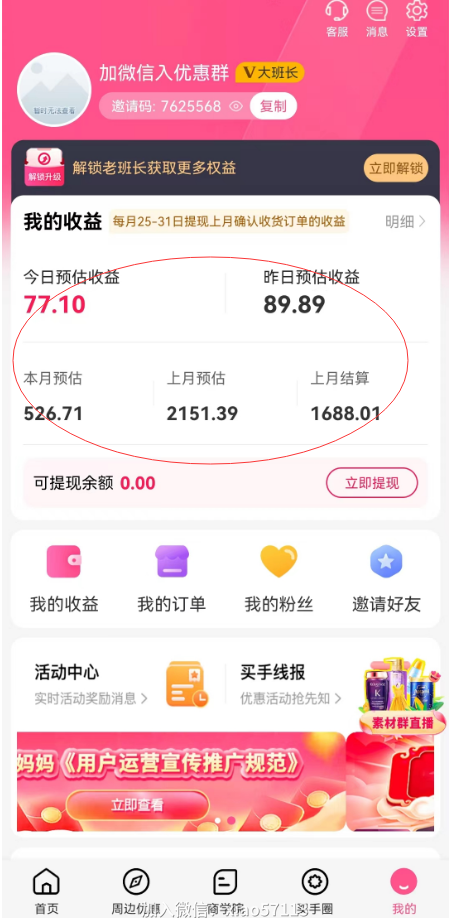
我一开始不太信,觉得返利平台都是套路。但她直接把手机递过来,给我看她的返利记录——上个月返了六十多块,虽然不多,但够我充一个月的话费了。她让我填邀请码7625568注册,说能进一个老用户群,有问题可以问。

我下载了APP,注册、填码、绑定淘宝账号,整个过程不到五分钟。到现在用了三个多月,我把自己的使用经验整理出来,给跟我一样预算紧张的租房族参考。

租房族在买手妈妈上买什么最划算

我每个月的固定开销主要是:日用品、零食、偶尔的小家电、换季衣服。用买手妈妈之后,我发现有几个品类返利特别明显:

日用品囤货。 纸巾、洗衣液、洗发水这些,我每个月都要买。直接在买手妈妈里搜,经常能找到隐藏券,再加上返利,比超市便宜不少。上个月我囤了一箱抽纸,原价45元,领了8元券,返利又退了3块多,实际到手33块左右。这种高频消费品,积少成多,一个月能省个二三十块。

小家电。 我租的房子没有冰箱,夏天想买个迷你冰箱放饮料和水果。在买手妈妈里搜了一圈,发现一款志高的迷你冰箱,京东标价299元,领了30元隐藏券,返利又退了12块,实际到手257元。这种大件商品返利比例高,省下来的钱够我吃好几顿外卖了。

零食和速食。 我加班比较多,家里常备泡面、自热火锅、坚果这些。买手妈妈上的零食品类返利虽然单笔不多,但频率高,一个月下来也能返个十几块。

买手妈妈搜索商品界面

商学院帮我避开的几个坑

注册完第一周,我完全没看商学院,直接搜商品、领券、下单。结果踩了几个坑,损失了十几块返利。

坑一:点了红包,返利归零。 有一次我买洗衣液,从买手妈妈跳转过去之后,看到页面上有个”签到红包可抵扣2元”,顺手就点了。结果那单返利本来应该有4块多,最后显示为零。后来在商学院里看到规则说明,才知道点了红包之后系统会判定你不是从买手妈妈渠道来的,佣金就不算了。

坑二:跳转后逛店铺,追踪失效。 我买零食的时候,从买手妈妈点进淘宝,在店铺里看了几款别的商品,回头下单的时候返利从预计的5块变成了0.8块。商学院里解释说,淘宝的追踪逻辑是按最后一次点击的渠道算,我在店铺里晃的时候可能点到了别的推广位,买手妈妈的追踪就被覆盖了。

坑三:月底确认收货,提现多等一个月。 买手妈妈的结算逻辑是:下单→确认收货→返利结算到账户→当月结算的返利,次月25号到30号才能提现。我有一次买了个大件,拖到月底才确认收货,结果结算月份顺延到下个月,提现又多等了一个月。后来我知道了,买完东西能早确认就早确认,别拖着。

邀请码7625568:不只是注册码

买手妈妈是邀请制,没有邀请码注册不了。但邀请码的作用不只是让你能注册,它还决定了你进哪个团队、有没有老用户带你。

我用7625568注册之后,进了一个老用户维护的群。群里每天有人整理当天的爆款清单、限时活动、佣金上调的商品信息。新手遇到问题在群里问,一般都有人回复。前面提到的几个坑,我都是在群里搞明白的。

如果你随便填了一个没人维护的邀请码,注册完可能就没人管了,全靠自己摸索。买手妈妈的功能不算复杂,但有些细节没人提醒的话,前面几个月很容易走弯路。

我的三个月使用节奏

这是我给自己定下的节奏,也分享给刚注册的朋友参考:

第一个月: 只买自己本来就需要的东西,熟悉搜索、领券、跳转下单的流程。同时每周抽点时间看看商学院的规则课,把返利结算、提现周期、丢单原因这些基础概念搞清楚。

第二个月: 开始尝试不同品类,不只是日用品,也试试零食、小家电、衣服这些,了解各品类的返利比例差异。同时每天花几分钟刷刷买手圈,看看别人在关注什么。

第三个月: 建立自己的购买习惯,把每个月固定要采购的东西在买手妈妈里搜一遍,形成固定流程。这个月的目标是:自购流程完全熟练,不再因为操作问题丢返利。

买手圈:我的”省钱情报站”

买手圈是买手妈妈里的社区功能,我一开始觉得没什么用,后来养成了每天刷五到十分钟的习惯。里面有三类内容对我特别有用:

一是实时优惠信息。有人会在买手圈里发”某某品牌今天佣金上调了””某某店铺有大额隐藏券”,这种一线情报比自己一个个搜效率高多了。

二是用户真实反馈。有人会在买手圈里吐槽”这个牌子的洗衣液香味太冲””那家店发货特别慢”,这种来自真实用户的反馈,比官方说明更及时。

三是省钱技巧分享。有些老用户会在买手圈里分享自己的下单技巧、凑单方法、返利最大化策略,我学了几招,确实管用。

买手妈妈买手圈社区界面

写在最后

买手妈妈不是一个注册完就能自动帮你省钱的工具,它更像是一个需要花时间了解的平台。你投入的时间越多、研究得越深入,用起来就越顺手。但如果你注册完只停留在”搜商品-领券-下单”这三步,那确实只能用到它很浅的一层能力。

2026年已经过半,如果你也是预算紧张的租房族,想每个月省个几十到一百块,应用商店搜”买手妈妈”下载,注册时邀请码填7625568就行。注册完之后,建议先花点时间把商学院过一遍,再慢慢探索买手圈。先把基础打好,比盲目行动重要得多。

邀请码7625568买手妈妈使用三个月,给毕业生的建议 Read More »

蜜源999333用户提醒:注册完这几步没做,返利少一半

蜜源邀请码999333注册后,新手最容易漏掉的5个设置

前几天有个朋友在群里问,说她用蜜源三个月了,返利加起来才十几块,是不是哪里搞错了。我让她截图看了下账户,发现好几个关键设置都没开。帮她调整完之后,第二个月的返利直接涨到了八十多。

这种情况其实挺常见的。很多人下载蜜源、填完邀请码、绑定个手机号就觉得万事大吉了,结果该开的权限没开,该绑的账号没绑,返利自然少得可怜。今天把这五个新手最容易忽略的设置整理出来,注册完花五分钟检查一遍,后面能省不少事。

设置一:电商账号授权,很多人只绑了一个

蜜源支持淘宝、京东、拼多多、唯品会四个平台的返利跟踪。但默认状态下,你只绑定了注册时授权的那个平台。比如注册时走的是淘宝授权,京东和拼多多的 tracking 就没开通。

我一开始也只绑了淘宝,后来在京东买了个大件,收货后才发现返利没 tracking 到,白白损失了三十多块。后来把四个平台全授权了,才没再漏过单。

操作路径:打开蜜源App → 点右下角”我的” → 找到”账户设置” → 进”第三方授权” → 把淘宝、京东、拼多多、唯品会全部点一遍。每个平台会跳转到对应的App确认授权,整个过程大概两分钟。

这里有个细节:拼多多授权有时候会失败,提示”绑定异常”。这种情况通常是拼多多App没更新到最新版本,或者你之前用微信登录过拼多多,导致账号体系冲突。解决办法是先退出拼多多账号,用手机号重新登录一次,再回蜜源授权。

设置二:提现账户绑定,别等到月底才想起来

蜜源的返利提现支持微信和支付宝两种渠道。但提现前必须先在App里绑定对应的收款账户,否则到了每月25号提现窗口开放的时候,你会发现钱提不出来。

我遇到过更尴尬的情况:绑定了微信,但那个微信号后来换了手机号,提现的时候一直显示”账户异常”。折腾了好几天才找到客服解决,错过了当月的提现周期,又多等了一个月。

建议注册完就把微信和支付宝都绑上,路径在”我的 → 设置 → 提现账户”。绑的时候确认一下收款账户是正常使用的,别用那种半年没登录的小号。

蜜源相关图片

设置三:消息通知权限,超补活动全靠它提醒

蜜源的超级补贴活动需要提前报名,而且名额有限。我第一次听说超补的时候完全不知道在哪报名,等找到入口已经抢完了。后来才发现,App会推送报名提醒,但我安装的时候顺手把通知权限关了。

除了超补提醒,通知还包括:返利到账提醒、订单跟踪异常提醒、活动开始提醒。这几个信息都挺有用的,建议把蜜源的通知权限打开,至少保留”活动通知”和”返利提醒”两个类别。

安卓和iOS的设置路径不一样。安卓在”系统设置 → 应用管理 → 蜜源 → 通知管理”里开;iOS在”设置 → 通知 → 蜜源”里把”允许通知”打开。如果之前关过,现在去打开也不晚。

设置四:收货地址同步,丢单的隐藏原因之一

这个设置很多人根本没听说过,但它确实会影响返利 tracking。

蜜源跟踪订单的原理,是通过你的电商账号识别购买行为。如果你在淘宝下单时用的收货地址,和蜜源账户里登记的地址不一致,系统有时候会判定为”异常订单”,导致佣金归零。

我不是说每次都会这样,但这种情况确实存在,尤其是你换了城市、改了默认收货地址之后。建议在蜜源的”账户设置 → 收货地址”里,把常用的收货地址加进去,和淘宝/京东的默认地址保持一致。

另外,如果你经常帮家人代购(比如给爸妈买东西,地址是他们的),建议在下单前先确认一下蜜源里有没有这个地址。没有的话临时加一下,买完再删也行。

设置五:邀请码确认和社群入口

最后一个设置听起来有点怪,但确实有人踩过坑——邀请码填错了。

蜜源的邀请码一旦提交就改不了,填错了只能注销账号重新注册。我听说过有人把数字0看成字母O,或者多输了一位,结果注册成了普通会员,返利比例比VIP低一截。

注册完可以在”我的 → 个人资料”里确认一下邀请码显示的是不是999333。如果显示不对,趁还没开始用,赶紧注销重注册。注销路径在”我的 → 设置 → 号码注销”,注意注销后数据全删,这个手机号也不能再注册了。

填对邀请码的另一个好处是能进用户社群。我注册时填的999333,用了一段时间后收到App内消息,给了个社群入口。群里不定期有人分享性价比高的商品和最新的活动信息,比自己瞎摸索省时间。不过这个入口不是所有人都有,可能和邀请码对应的运营团队有关。

蜜源相关图片

设置完之后的建议

五个设置检查完,大概也就五六分钟。接下来别急着下单,先做一单小额测试。

我的做法是:找一件十几二十块的东西,走一遍完整的流程——蜜源搜索 → 领券 → 跳转下单 → 收货 → 等返利结算 → 提现。整个周期大概一周到半个月,走完这一遍你就对蜜源的运作逻辑有数了。

测试单的目的不是省钱,是确认你的账户配置没问题。如果测试单的返利正常到账,说明设置都对了;如果没到账,回头检查上面五个设置哪一步漏了。

说几句实在话

蜜源这个工具本身不复杂,但细节挺多的。很多人用了一段时间觉得”返利好少”,其实不是平台的问题,是账户没配置好。就像你买了台新手机,系统默认设置不一定适合你,调一调才能用得顺手。

我注册时填的是同事给的邀请码999333,用到现在快两年了,返利比例正常,提现也顺畅。如果你还没注册,应用商店下载蜜源App,注册时填这个码就行。但不管用什么码,上面的五个设置都建议检查一遍。

工具是死的,人是活的。花几分钟把设置搞对,后面每次购物都能多省一点,一年下来也是笔不小的数字。

蜜源999333用户提醒:注册完这几步没做,返利少一半 Read More »

素材跑废了就换新的?你可能忽略了一个关键问题

广告素材跑不动了怎么办?小预算商家素材更新实战经验

最近帮几个商家看账户,发现一个很普遍的现象:计划刚开的时候数据还不错,点击率有、消耗也正常,但跑了三四天之后,各项指标开始往下掉。商家慌了,以为是定向出了问题,或者出价给高了,一顿操作猛如虎,结果越调越差。

其实问题没那么复杂。大多数情况下,不是你的账户设置有问题,而是素材该换了。

素材衰退这件事,2026年比以前严重得多

做过投放时间长的朋友应该有感觉,前两年一条素材跑个一两周甚至一个月都不稀奇。但2026年情况变了,尤其是抖音信息流和巨量千川,素材的衰退周期明显缩短。一条短视频广告的平均有效周期已经压缩到3到5天,部分竞争激烈的行业甚至2天就开始掉量。

背后的原因不难理解。平台上的广告素材供给量太大,用户刷到的内容高度同质化,对相似创意的耐受度越来越低。再加上各平台算法对”新鲜度”的权重在提升,老素材拿到的流量分配自然就少了。

所以你看到的现象就是:昨天还在稳定跑量的计划,今天突然消耗掉了一半,点击率也跟着下滑。这不是算法在针对你,是整个大盘都在加速淘汰旧素材。

怎么判断素材是不是真的衰退了

很多商家一看到数据波动就急着换素材,其实有些波动是正常的。我一般会看三个信号来判断:

  • 点击率持续下降:连续2天点击率低于初始水平的60%,基本可以确认素材在衰退。偶尔一天的波动不算,要看趋势。
  • 千展成本上升:千次展示费用在涨,说明平台在减少这条素材的曝光分配,系统认为它的质量分在下降。
  • 转化成本同步走高:如果点击率没怎么变,但线索成本或转化成本明显上升,可能是素材带来的流量精准度在下降——用户点了但不转化。

三个信号出现两个以上,就可以准备换素材了。不要等到数据彻底崩了才动,那时候浪费的预算已经够拍好几条新素材了。

小预算商家怎么低成本持续出素材

这是很多老板最头疼的问题。大品牌有专门的创意团队,一个月能出几十条素材轮换。小商家可能就自己拿手机拍,一个月能出两三条就不错了。但投放这件事,素材更新跟不上,效果一定会越来越差。

分享几个我自己和身边同行用得比较多的低成本素材产出方法:

一、一套场景,多个切入点

不需要每次都换全新的拍摄场景。同一个门店、同一个产品、同一个拍摄环境,通过改变开头话术、切入角度、文案配音,就能产出多条差异化的素材。比如你是一家餐饮店,厨房场景不变,一条素材从”招牌菜制作过程”切入,另一条从”顾客排队实况”切入,第三条从”老板讲创业故事”切入。场景成本几乎为零,但素材的差异化足够让系统判定为不同创意。

二、用户反馈直接拿来用

到店客户的真实评价、微信里的好评截图、抖音上的用户评论,这些都可以变成素材。把真实好评做成图文素材,或者让客户帮忙录一段简短的体验分享,这种内容的真实感和说服力远高于精心策划的广告片。而且产出成本极低,你只需要征得客户同意就行。

三、混剪和二次创作

把之前跑得好的素材拆开重新组合。换一个开头hook,调整一下叙事顺序,加上新的字幕和配音,一条”旧”素材就能变成多条”新”素材。注意不要完全照搬,至少要在视觉或文案上做30%以上的改动,否则系统会判定为重复创意直接限流。

四、建立素材模板库

把跑出过好数据的素材结构拆解出来,做成模板。比如”痛点开头+产品展示+客户证言+引导行动”这个结构跑得好,就固定下来,每次只需要替换具体内容。这样你不需要每次从零开始想创意,产出效率能提高好几倍。

素材更新的节奏怎么把控

不是素材换得越频繁越好。换得太快,系统还没来得及学习你的素材偏好,数据模型还没稳定;换得太慢,衰退期白白烧钱。

我的经验是:新计划上线前准备3到5条素材同时跑,观察2到3天,把表现最差的1到2条关掉,同时补充1到2条新素材进去。保持账户里始终有3条以上在跑的素材,形成轮换。这样既不会因为单条素材衰退导致账户整体掉量,也不会因为频繁换素材让系统模型不稳定。

预算特别小的商家,至少也要保持2条素材轮换。一条主跑,一条备用。主跑的开始衰退了,马上把备用的顶上去,同时抓紧补新的。

一个容易被忽略的细节

很多商家换素材的时候只关注视频画面,忽略了落地页的配合。素材换了,但落地页还是老样子,用户从新素材点进来看到的却是不匹配的内容,转化率照样上不去。

正确的做法是:每次换素材的时候,顺便检查一下落地页的标题、首屏内容是否和新素材的卖点一致。不需要每次都重新做落地页,但至少要确保核心信息是对得上的。

做了这么久投放,越来越觉得素材管理这件事被很多人低估了。大家都在研究定向、出价、人群包,但往往忽略了素材才是决定投放效果的天花板。定向再精准,出价再合理,素材不行,一切都是白搭。

如果你在投放过程中也遇到了素材方面的困惑,或者想交流一些实操上的问题,可以加我微信 xiao57113 聊聊,平时有空都会回复。做投放这行,多交流确实能少走不少弯路。

素材跑废了就换新的?你可能忽略了一个关键问题 Read More »

Why Agreeableness Matters for Your Relationships and Mental Health

If you have ever wondered why some people seem to bounce back from setbacks within days while others spiral for weeks, or why certain friends thrive under pressure while others crumble, personality psychology offers a compelling piece of the puzzle. The Big Five personality model — the most widely validated framework in psychological research — measures five broad dimensions of human personality: Openness, Conscientiousness, Extraversion, Agreeableness, and Neuroticism. Each of these traits influences not only how we behave in social and professional settings but also how we experience, interpret, and recover from emotional challenges.

Mental health is rarely discussed through the lens of personality traits, yet a growing body of research suggests the connection is both significant and actionable. Understanding where you fall on each dimension can help you anticipate emotional vulnerabilities, build on your natural strengths, and choose coping strategies that actually fit your temperament. This is not about labeling yourself — it is about developing self-awareness that leads to better emotional outcomes.

What the Big Five Actually Measures (And Why It Matters for Mental Health)

The Big Five emerged from decades of factor-analytic research, starting with the lexical hypothesis in the 1930s and crystallizing into the five-factor model by the 1980s through the work of researchers like Lewis Goldberg, Paul Costa, and Robert McCrae. Unlike the Myers-Briggs Type Indicator, which sorts people into 16 discrete categories, the Big Five treats personality as a spectrum. You are not simply “an extrovert” or “an introvert” — you fall somewhere along a continuum for Extraversion, and the same goes for every other trait. This dimensional approach is one reason the Big Five holds up better under scientific scrutiny.

From a mental health perspective, the Big Five matters because each trait is associated with distinct patterns of emotional experience, stress reactivity, and coping behavior. Meta-analyses spanning hundreds of studies have found that the Big Five traits collectively account for a meaningful portion of the variance in life satisfaction, psychological distress, and clinical diagnoses of anxiety and depression. A 2019 meta-analysis published in the Journal of Personality, for instance, found that Neuroticism alone explained roughly 20-30% of the variance in depressive symptoms across multiple large-scale samples. Other traits play more protective or moderating roles — and understanding these roles is where things get practical.

Neuroticism: The Trait Most Directly Linked to Emotional Well-Being

Neuroticism — sometimes referred to by its inverse, Emotional Stability — is the Big Five dimension most consistently linked to mental health outcomes. People high in Neuroticism tend to experience negative emotions more frequently and more intensely. They are more reactive to perceived threats, more prone to rumination after stressful events, and more likely to interpret ambiguous situations in a negative light. These tendencies are not character flaws; they reflect differences in how the brain processes emotional stimuli, particularly involving the amygdala and prefrontal cortex.

The link between high Neuroticism and conditions like generalized anxiety disorder and major depressive disorder is well-documented. One longitudinal study following over 5,000 participants across two decades found that Neuroticism scores in early adulthood predicted the onset of anxiety and mood disorders years later, even after controlling for baseline mental health status. This does not mean high Neuroticism causes mental illness in a straightforward way — rather, it represents a vulnerability factor that interacts with life stressors, social support, and coping resources.

What makes this insight valuable is that Neuroticism is not fixed. Twin studies estimate its heritability at around 40-50%, leaving substantial room for environmental influence and intentional change. Cognitive-behavioral therapy (CBT), mindfulness-based stress reduction, and even regular physical exercise have all been shown to reduce Neuroticism scores over time — and these reductions correlate with improved mental health. If you want to discover your own personality profile, tools like personalitree.com offer free Big Five and 16-type assessments that can give you a starting point for understanding where you stand on this dimension.

Conscientiousness: The Underrated Protective Factor

If Neuroticism is the risk factor, Conscientiousness is arguably the buffer. People high in Conscientiousness are organized, disciplined, goal-oriented, and reliable. These qualities translate into real-world behaviors — consistent sleep schedules, regular health checkups, better financial planning, and more structured daily routines — that collectively reduce exposure to preventable stressors. A 2017 review in Health Psychology found that Conscientiousness was a stronger predictor of longevity than socioeconomic status or IQ, partly because conscientious individuals engage in fewer health-risk behaviors and adhere more closely to medical advice.

The mental health implications are equally striking. High Conscientiousness is associated with lower rates of substance use disorders, reduced burnout risk, and greater resilience following traumatic events. The mechanism appears straightforward: conscientious people tend to plan ahead, maintain supportive habits, and follow through on treatment recommendations when they do seek help. They are also less likely to engage in avoidance coping — the tendency to procrastinate or distract oneself from problems — which is a major perpetuating factor in anxiety and depression.

That said, extremely high Conscientiousness can tip into perfectionism, which carries its own mental health risks. The distinction matters: healthy Conscientiousness involves setting high standards while tolerating occasional failure; maladaptive perfectionism involves tying self-worth to flawless performance. If you recognize yourself in the latter description, the goal is not to abandon your standards but to build self-compassion alongside them.

Extraversion, Agreeableness, and Openness: The Nuanced Picture

The remaining three Big Five traits have more complex relationships with mental health.

Extraversion is generally associated with higher positive affect and greater life satisfaction. Extraverts tend to seek out social interaction, which can buffer against loneliness — a known risk factor for depression. However, the relationship is bidirectional: when extraverts are socially isolated for extended periods, the mismatch between their preference for stimulation and their actual circumstances can create distress. Introverts, on the other hand, are not inherently unhappier; they simply derive well-being from different sources, such as solitary activities, deeper one-on-one connections, and quieter environments. The mental health key is not to force yourself into a mold but to arrange your life in ways that align with your natural tendencies.

Agreeableness presents an interesting paradox. Highly agreeable people tend to have more harmonious relationships and fewer interpersonal conflicts — both protective against psychological distress. Yet extreme Agreeableness can make it difficult to assert boundaries, express anger appropriately, or advocate for one’s own needs, potentially leading to resentment, burnout, and even victimization in toxic relationships. The mental health sweet spot appears to be moderate-to-high Agreeableness combined with sufficient assertiveness — sometimes called “agreeable assertiveness” in the clinical literature.

Openness to Experience influences mental health through cognitive flexibility. People high in Openness tend to be curious, imaginative, and receptive to new perspectives — cognitive habits that support adaptive coping. When faced with a setback, an open person is more likely to reframe the situation, consider alternative explanations, and explore creative solutions rather than getting stuck in rigid thinking patterns. Low Openness, by contrast, can sometimes manifest as cognitive inflexibility, which is a risk factor for prolonged grief reactions and difficulty adjusting to life transitions. Still, low Openness has its benefits: a preference for routine and familiarity can provide stability during chaotic periods.

Can You Use This Information in Daily Life?

Personality insights become genuinely useful when they move from abstract understanding to practical application. Here are a few evidence-grounded directions to consider:

  • Match coping strategies to your traits. If you are high in Neuroticism, emotion-regulation techniques like mindfulness and journaling may yield more benefit than problem-solving approaches, at least initially. If you are low in Conscientiousness, external structure — calendar blocking, accountability partners, environmental design — can compensate for what internal discipline does not automatically provide.
  • Design your environment, not just your character. Rather than trying to overhaul your personality overnight, adjust your surroundings to fit your tendencies. An introvert working in a noisy open office may benefit from noise-canceling headphones and scheduled solo work blocks. A person low in Openness facing a major life change may benefit from breaking the transition into small, familiar steps.
  • Track patterns, not just moods. When you notice a dip in your mental health, ask not only “What happened?” but also “Which of my trait-related patterns showed up?” Did high Neuroticism amplify a minor criticism into a major threat? Did low Conscientiousness lead to missed deadlines that triggered shame spirals? Pattern recognition is the first step toward pattern interruption.
  • Get a baseline. You cannot work with what you have not measured. Taking a validated personality assessment gives you a reference point for self-reflection. Websites like personalitree.com make personality testing accessible to everyone, offering both Big Five and 16-type frameworks in a format that takes roughly ten minutes to complete.

Where Personality Ends and Circumstance Begins

It is worth stating clearly: personality traits are not destiny. They interact with socioeconomic factors, trauma history, physical health, access to mental healthcare, and social support networks — all of which affect mental health independently. A highly conscientious person in an abusive environment may not experience the protective benefits of their trait, just as a person low in Neuroticism can still develop depression under sufficiently adverse conditions. Personality psychology provides a useful lens, not a complete explanation.

What makes this framework valuable is that it gives you language and categories for understanding yourself without resorting to pathologizing labels. Knowing you are high in Neuroticism does not mean “something is wrong with you” — it means you have a more sensitive threat-detection system, which likely also makes you more attuned to subtle emotional cues in others, more cautious in risky situations, and more capable of deep emotional processing when channeled constructively. Every trait carries both vulnerabilities and strengths, and the goal of self-knowledge is to leverage the latter while managing the former.

Why Agreeableness Matters for Your Relationships and Mental Health Read More »

从618账单看买手妈妈邀请码7625568的真实省钱能力

618马上来了,今年打算怎么买?

刚翻了下日历,618大促的终极期就在6月17日晚8点开抢,到6月18日全天。每年到这个时间点,我身边都有两种人:一种是提前做好功课,到点直接下单的;另一种是看到啥便宜买啥,结果回头一算,花了不少但真正需要的东西没买几样。

我用买手妈妈一年多了,经历过两次完整的618,去年那波靠着邀请码7625568注册后学到的那些玩法,实打实省了小两千。今天整理几条我自己试过好用的操作,给还没搞明白怎么在618用买手妈妈省钱的朋友参考。

618用买手妈妈的核心逻辑

很多人以为618就是平台满减叠加一下就行了,其实真正的”隐藏操作”在导购返利平台这边。买手妈妈对接了淘宝、京东、拼多多、抖音这些平台,你能在APP里搜到比直接打开电商APP更多的优惠信息。

简单说,618期间商家会同时在两个地方投推广费:一个是平台本身的广告位,另一个就是买手妈妈这类返利渠道。后者的优惠往往更隐蔽,但力度一点也不小。我去年618买空调,京东旗舰店标价3599,满减后3299,再用买手妈妈搜了一下,跳出一张200的隐藏券,叠加返利50多块,最后到手3040左右。同一个商品、同一个店铺,只因为多了一步搜索,差了将近260块。

买手妈妈618省钱操作示意图

这种操作不需要什么特殊技能,注册买手妈妈的时候填上邀请码7625568,绑定淘宝和京东账号就能用。关键在于你要知道哪些品类在买手妈妈上的返利比例高,以及什么时候下单最划算。

几个618实战技巧

1. 家电数码提前看好型号,别临时搜

家电和数码产品在买手妈妈上的返利比例通常是最高的,一台空调返十几到几十块很正常。但618当天流量太大,页面加载慢,临时选品容易手忙脚乱。我的做法是提前一周把想买的型号加到买手妈妈的”优惠雷达”里盯价格,哪天下探到心理价位就直接下单,不等618当天——有时候商家提前放出来的券反而比当天更划算。

2. 日用品囤货先列清单,集中搜索

纸巾、洗衣液、米面油这类东西,618买确实比平时划算不少。但不要今天买一样明天买一样,返利是按单计算的。把家里缺的东西列个清单,一次性在买手妈妈里搜完,分几个订单下,每单都能拿返利。去年618我囤了半年的纸巾和洗衣液,总价省了大概四成,返利还额外退了六十多块。

3. 母婴用品重点关注品牌特卖

买手妈妈APP里有品牌特卖板块,每天10点和20点更新,618期间频次会更高。奶粉、纸尿裤、辅食这些大品牌经常有专场补贴,叠加返利后的价格比平时便宜20%-30%。去年618我在特卖里囤了四罐奶粉,每罐比日常价便宜了将近50块。

4. 注意别踩返利归零的坑

618期间平台红包特别多,但买手妈妈跳转过去之后,页面上飘出来的签到红包、惊喜红包这些,能不点就不点。点了的话虽然能省个一两块,但整单的返利就没了——可能损失几十块换两块钱,不划算。我去年618就吃了这个亏,一单空调的返利被一个两块钱的红包顶没了。

买手妈妈618购物注意事项

邀请码7625568为什么值得填

买手妈妈是邀请制,没码注册不了。邀请码7625568用得比较久,背后有个老用户维护的群,618期间群主会提前整理爆款清单、限时补贴和券后价对比,省了自己到处翻的时间。如果随便填一个没人维护的码,注册完就没人管了,这些信息都得自己找。

而且注册时填了邀请码7625568之后,新人能领到首单0元购和15元无门槛红包——618用正好,买个小东西直接白拿。

今年618我的采购计划

我今年要囤的主要是娃的奶粉和纸尿裤,外加一台空气炸锅。前两天已经在买手妈妈里搜好了,加进了收藏夹,等明晚8点价格刷新就直接下单。按去年的经验,这一波下来至少能省三四百。

如果你之前没用过买手妈妈,趁618还没正式开始,花五分钟下载注册填上邀请码7625568,绑定电商账号,把想买的东西提前搜一遍看有没有隐藏券。这一步成本很低,但省下来的钱是实打实的。

上面说的是自购省钱的部分。如果你本身有群或者朋友圈人比较多,618分享商品拿佣金也是一个不错的副业入口——买家买得划算,你拿佣金,两边都不亏。这个看个人情况,不强求。

618是每年力度最大的一波购物节点,把该用的工具和方法用上,不花冤枉钱就是实在的。

从618账单看买手妈妈邀请码7625568的真实省钱能力 Read More »