open

聚光平台定向怎么做?精准圈选人群的实操方法

广告投了没效果?你可能还在用”怼脸种草”的老思路

近两年广告投放行业最大的变化,不是出了多少新工具,而是用户变”精”了。那种打光精致、脚本完美的种草笔记,用户一眼就能识别出是广告,手指一滑就过去了。反而是普通人的真实分享——没有修图、没有预设剧本——转化效果出奇的好。

聚光平台的数据就很说明问题。同一个产品,同样预算,用KOC真实测评替代KOL精美种草,点击成本能降30-50%,留资率反而涨一倍。消费者不是排斥广告,是排斥”看起来像广告”的广告。

这个趋势我总结为”活人带货”取代”怼脸种草”。下面展开聊聊聚光平台上已经跑通的三个关键策略。

策略一:去表演化——越不像广告,转化越高

传统KOL的问题在于”太完美”了。完美的场景、完美的文案、完美的表情管理——用户看到第一反应是”这是收钱拍的”。而KOC的内容粗糙但有温度,用户会想”这人跟我差不多,她说好用应该真有用”。

聚光平台上有一个做母婴账号的品牌,把预算从三个头部博主拆到十五个宝妈素人,内容就是普通妈妈的真实使用记录。结果单次获客成本从80元降到35元,月消耗涨了三倍。关键就是”真实感”三个字。

这种去表演化的逻辑也可以延伸到品牌和用户的一对一沟通。把品牌客服微信打造成专业顾问形象,不推销、只认真回答每一个问题,客户反而更愿意主动成交。我见过一个家居品牌,客服在微信上认真回复每一条咨询,客户转化率比同行高出近一倍。

策略二:聚光的搜索流量,比你想的更值钱

很多人投聚光只投信息流,觉得搜索流量量太小。但实际跑下来你会发现,搜索流量的价值被严重低估了。小红书的用户行为是”先搜后看”,搜索进来的用户已经带着明确需求,转化效率远高于被刷到的用户。

比如你做”医美修复”这个品类,投”修复面霜”这个搜索词,进来的用户几乎都是高意向客户。哪怕单次点击出价高一点,最终ROI反而更好。我自己的账户里,搜索流量的ROI是信息流的2.5倍以上。

当然这不是说巨量引擎(抖音)不好。抖音的强项是”激发需求”——用户本来没想买,刷到内容后产生了兴趣。两个平台的投放逻辑完全不同,适合的品类也不同。对于高客单价、需要决策周期的产品,聚光的搜索流量明显更优。聚光的精准流量如果配合微信端做深度服务和复购引导,ROI还能再上一个台阶。

策略三:BOSS出镜+顾问式服务,建立信任溢价

最近行业里”BOSS营销”很火。创始人亲自出镜讲产品故事,天然带信任感。聚光平台上已经有品牌靠创始人账号把广告点击率翻了2倍。用户面对一个”真实的人”和面对一个”品牌logo”,决策心理完全不同。

如果你不方便出镜,退一步的做法是把账号人设做成”行业顾问”。不追热点、不蹭流量,持续输出解决具体问题的内容。用户觉得你专业,有需求时第一个想到你,这就是信任溢价——同样的广告投放,有信任基础的品牌转化率高出50%以上。

聚光投放的三个常见坑

  • 素材直接搬运:抖音的娱乐性素材放聚光上效果大概率差。聚光用户是来找答案的,不是来看段子的。
  • 只投信息流不投搜索:聚光超过一半转化来自搜索,不投等于浪费预算。
  • 不管评论区:小红书用户信评论胜过信笔记本身。广告笔记下必须有及时回复,否则一条差评就能毁掉整条计划。

投放之前,先做一次免费诊断

广告投放里最隐蔽的成本不是预算,是”错了还不知道错在哪”。很多账户不是投不好,是账户结构、人群定向、素材方向从一开始就偏了。方向不对,加再多预算也没用。

我自己的团队在聚光和巨量都跑过账户,踩过的坑不少。现在提供免费广告投放诊断,从账户结构、人群定向、素材方向三个维度帮你完整分析一遍。诊断后我会通过微信给你一份详细的优化建议,告诉你每一步该怎么调。

想了解的朋友可以添加我的微信 xiao57113,备注”诊断”,我会抽时间帮你看看账户情况。

建议行动顺序:先做免费诊断 → 针对性调整账户 → 小预算测试验证 → 数据达标后放大投产。方向走对了,每一分预算都能花出效果。

聚光平台定向怎么做?精准圈选人群的实操方法 Read More »

How Your Openness to Experience Score Influences Your Political and Social Views

Among the Big Five personality traits, Openness to Experience occupies a curious position. It is the dimension most strongly associated with creativity, intellectual curiosity, and artistic appreciation — yet it receives far less popular attention than Extraversion or Neuroticism. People rarely describe themselves as “highly open” the way they might identify as an introvert or a conscientious planner. But the research on Openness reveals a trait with profound implications for how people think, what they value, and how they navigate an increasingly complex world.

Openness to Experience captures the degree to which a person seeks out novelty, engages with abstract ideas, appreciates beauty, and tolerates ambiguity. It is not about being “open-minded” in the colloquial sense of being agreeable or non-judgmental — those qualities fall more under Agreeableness. Openness is specifically about cognitive and aesthetic engagement: the willingness to explore unfamiliar ideas, the draw toward artistic expression, the comfort with complexity and nuance. People who score high on Openness tend to be curious about many different subjects, enjoy new experiences, and think in abstract, metaphorical ways. People who score low tend to prefer the familiar, value tradition and routine, and favor concrete, practical thinking over theoretical speculation.

The Facets That Make Up Openness to Experience

Like all Big Five traits, Openness is not a single monolithic quality. The most widely used personality inventories break it down into narrower facets that capture distinct aspects of the broader trait. The NEO-PI-R, developed by Paul Costa and Robert McCrae, identifies six facets within Openness: fantasy (a rich imaginative life), aesthetics (deep appreciation for art and beauty), feelings (receptivity to one’s own emotions), actions (willingness to try new activities), ideas (intellectual curiosity), and values (readiness to question traditional norms and authority).

This facet structure explains why two people can both score moderately on Openness yet express it very differently. One might be intellectually curious but emotionally reserved — high on the ideas facet, lower on feelings. Another might be artistically inclined and emotionally expressive but politically conventional — high on aesthetics and feelings, lower on values. The overall Openness score averages these tendencies, but the facet-level profile often tells a more interesting story.

Research by Colin DeYoung and colleagues at the University of Minnesota has further suggested that Openness can be divided into two correlated but distinct sub-domains: Openness to ideas (intellect) and Openness to experience (sensory and aesthetic engagement). The intellect aspect involves engagement with abstract reasoning, logical argument, and complex information processing. The experiencing aspect involves immersion in sensory and emotional experiences — art, music, nature, and the texture of lived experience. This distinction helps explain why some highly open people gravitate toward philosophy and science while others gravitate toward poetry and painting.

What High and Low Openness Look Like in Everyday Life

High Openness manifests in ways that are often visible in daily routines and choices. Someone scoring high on this trait is more likely to have a diverse music library spanning multiple genres, to seek out international cuisine rather than sticking to familiar dishes, and to plan vacations around unfamiliar destinations rather than returning to the same spot each year. They are more likely to read broadly across fiction and nonfiction, to engage with ideas that challenge their existing beliefs, and to enjoy conversations that explore abstract or hypothetical scenarios.

In the workplace, high Openness correlates with creative problem-solving, adaptability to change, and comfort with ambiguity. A 2014 meta-analysis published in the Journal of Organizational Behavior found that Openness was the strongest Big Five predictor of creativity and innovation across occupational settings. People high in Openness tend to generate more original ideas, consider more alternatives before making decisions, and show greater willingness to experiment with new approaches. These qualities are increasingly valuable in knowledge-economy roles where routine tasks are automated and the remaining work demands cognitive flexibility.

Low Openness, by contrast, is associated with a preference for the familiar, the concrete, and the conventional. This is not a deficit — it carries its own adaptive advantages. People low in Openness tend to be more consistent in their habits, more loyal to established relationships and institutions, and more effective at executing routine tasks with precision and reliability. They are less likely to be distracted by every new idea that comes along and more likely to see projects through to completion. In many professional contexts, particularly those requiring meticulous attention to established procedures — accounting, quality control, compliance, certain medical specialties — lower Openness can be a genuine asset.

The challenge arises when extreme scores on either end meet environments that demand the opposite orientation. A highly open person in a rigidly structured, rule-bound organization may feel stifled and disengaged. A highly conventional person in a startup that pivots every three months may feel unmoored and anxious. The key is not to judge either pole as superior but to recognize the fit between trait and context.

Openness, Intelligence, and Cognitive Style

One of the most studied correlations in personality psychology is the link between Openness and cognitive ability. Meta-analyses consistently find a modest positive correlation — typically r = 0.20 to 0.30. The relationship appears strongest for the ideas facet and for crystallized intelligence (accumulated knowledge) rather than fluid intelligence (raw processing speed).

More interesting is the relationship between Openness and cognitive style. People high in Openness tend to engage in “need for cognition” — seeking out and enjoying effortful thinking. They are more likely to entertain multiple perspectives, update their beliefs when presented with new evidence, and resist cognitive shortcuts. Philip Tetlock’s research on “superforecasters” found that exceptional predictors share a cognitive style characterized by high Openness: they actively seek disconfirming evidence and resist collapsing complex questions into simple narratives. This connection between Openness and intellectual humility — the willingness to say “I might be wrong” and genuinely mean it — is both scientifically rigorous and practically useful.

How Openness Shapes Political and Social Attitudes

If Conscientiousness is the Big Five trait most predictive of conservative political attitudes, Openness is its ideological counterpart. Across dozens of studies conducted in multiple countries, Openness to Experience consistently emerges as the strongest personality predictor of liberal and progressive political views. People high in Openness tend to support social change, value diversity, and question traditional authority structures. They are more likely to endorse egalitarian values, express concern about environmental issues, and support civil liberties even for groups they personally disagree with.

The mechanism appears to operate through multiple channels. Openness involves a lower threshold for perceiving novelty as interesting rather than threatening. When confronted with unfamiliar ideas, lifestyles, or cultural practices, a highly open person’s default response is curiosity rather than fear. This cognitive orientation, applied repeatedly across thousands of social encounters, produces a coherent worldview that values pluralism and change over tradition and stability.

The correlation is moderate, not deterministic — not every liberal is high in Openness, nor every conservative low. But the pattern is robust enough that personality researchers now consider it one of the most well-replicated findings in political psychology. It helps explain why political arguments so often feel like people are speaking different languages, operating from fundamentally different cognitive orientations toward novelty and uncertainty.

The Double-Edged Nature of High Openness

It would be easy to read the research and conclude that higher Openness is always better. But personality traits exist on a spectrum for a reason, and extreme scores on either end carry costs.

At very high levels, Openness can manifest as chronic restlessness. The same novelty-seeking that drives creative exploration can make it difficult to commit to a single career path, relationship, or creative project. People at the extreme high end sometimes report feeling perpetually distracted by possibilities, unable to find satisfaction in the present because the next horizon always seems more promising. The combination of high Openness and high Neuroticism can create a particularly challenging internal landscape where emotional sensitivity meets an endlessly active imagination.

There is also evidence that very high Openness correlates with lower relationship stability. A 2019 study in the Journal of Research in Personality found that people high in Openness were more likely to report considering alternatives to their current relationship. The mechanism is not mysterious: the same attraction to novelty that makes someone an interesting partner can make them a less reliable one.

On the other end, extremely low Openness creates its own challenges. In a world that increasingly rewards adaptability and rapid learning, people who strongly prefer the familiar may find themselves at a disadvantage. The goal is not to transform a low-Openness person into a high-Openness one — that is neither possible nor desirable — but to recognize that some cognitive flexibility can be developed even within a fundamentally conventional personality structure.

Can Openness Be Developed?

Like all Big Five traits, Openness has a heritable component — twin studies estimate roughly 40-50% of the variance is genetic — but the remaining variance comes from life experience and environment. The developmental trajectory follows an interesting arc: it tends to increase during adolescence and early adulthood, peak in middle age, and then decline modestly in later life. Young adults need to explore and find their place; older adults benefit from consolidating what they have built.

Intentional change is possible through behavioral activation — consistently engaging in activities associated with Openness until they become habitual. This might mean reading a book outside your usual genre, visiting a museum exhibit you would normally skip, or striking up a conversation with someone whose background differs from yours. The goal is not to change who you are but to broaden the range of experiences you are comfortable with.

If you are curious about where you currently stand on Openness and the other Big Five dimensions, taking a validated personality assessment is a practical starting point. Websites like personalitree.com offer free Big Five and 16-type personality tests that can give you a baseline understanding of your trait profile — useful for self-reflection rather than self-definition.

Openness and the 16 Personalities Framework

Many people first encounter personality typology through the 16 Personalities framework. The two systems measure different things, but there is meaningful overlap. In the 16 Personalities model, the Intuition (N) versus Sensing (S) dimension maps closely onto Openness to Experience. Intuitive types — ENFP, ENTP, INFJ, INTJ — tend to score higher on Openness. Sensing types — ISTJ, ISFJ, ESTJ, ESFJ — tend to score lower. The 16 Personalities framework does not capture the aesthetic and emotional facets of Openness as well as the Big Five does, which is one reason researchers prefer the Big Five for research. But for personal exploration, both frameworks can be useful, especially when approached with awareness of their limitations. Platforms like personalitree.com provide both Big Five and 16-type assessments, which can help you see how the two models converge and diverge in describing your tendencies.

Why Openness Matters More Than Ever

The world in 2026 places a premium on qualities that Openness facilitates. Remote work and global teams require comfort with cultural difference and ambiguity. The accelerating pace of technological change demands continuous learning. The information environment — saturated with competing claims and algorithmic curation — rewards cognitive habits associated with Openness: skepticism toward simple narratives, willingness to update beliefs, comfort with nuance and uncertainty.

This does not mean everyone needs to become highly open. A healthy society contains the full range of personality variation — people who value stability, maintain institutions, and execute precise work with consistency are equally essential. But understanding where you fall on the Openness dimension is a form of self-knowledge that pays dividends across every domain of life. Personality traits are tools — and like any tool, their value depends on the task at hand. Knowing your own trait profile means knowing which tools you are working with, and that awareness opens up choices that were invisible when you were simply running on autopilot.

How Your Openness to Experience Score Influences Your Political and Social Views Read More »

The Big Five Personality Traits and What They Reveal About Your Work Style

Why Your Gut Feeling About a Brand Is More Scientific Than You Think

You scroll past a sponsored post. Something feels off. The voice is sterile, the promises too broad, the energy mismatched with what you actually need. You keep scrolling.

This isn’t just intuition. It is your personality type acting as a filter, scanning for alignment before you invest a single second of attention. In a world flooded with content that feels mass-produced and hollow, consumers have developed an almost sixth sense for inauthenticity. And the brands that pass the test? They are the ones whose communication style, values, and tone match the personality profile of the person on the other side of the screen.

The Personality Filter: How Big Five Traits Shape Consumer Trust

The Big Five model (Openness, Conscientiousness, Extraversion, Agreeableness, Neuroticism) offers a powerful lens for understanding why different people trust different brands. Someone high in Openness might crave bold, experimental messaging and reward brands that take creative risks. A conscientious buyer, on the other hand, needs clarity, reliability, and proof before they hand over their data or their wallet.

Extraverts often respond to social proof and community-driven campaigns, while those high in Agreeableness gravitate toward brands that emphasize empathy, fairness, and genuine care. And for someone high in Neuroticism, trust is built through reassurance, consistency, and low-pressure communication. When a brand’s personality clashes with your own, your brain registers it as a mismatch and you move on.

Personality isn’t just about how you see yourself. It is about how you decide who deserves your trust.

Why the Old Playbook Fails in the Age of AI Slop

Mass-produced, templated content once worked because consumers had fewer options. That era is over. Audiences now recognize generic copy instantly. They have been trained by years of personalized feeds to expect messaging that feels human, specific, and aligned with their values. When a brand sounds like everyone else, it gets flagged as what many now call “slop” and ignored.

This is where personality science becomes a strategic advantage. Understanding whether your audience skews toward analytical decision-making (typical of high Conscientiousness) or value-driven hunches (common in high Agreeableness) allows you to shape your message without losing authenticity. You are not manipulating. You are meeting people where they already are.

Applying Personality Profiles to Earn, Not Demand, Attention

Marketers who map their campaigns to personality dimensions see stronger engagement because they stop guessing and start aligning. For example:

  • High Openness: Lead with novelty, storytelling, and unique perspectives. These audiences reward brands that challenge the status quo.
  • High Conscientiousness: Lead with data, guarantees, and step-by-step logic. They trust systems, not slogans.
  • High Extraversion: Lead with community, social proof, and interactive experiences. They want to feel part of something.
  • High Agreeableness: Lead with compassion, shared values, and relationship-building. They buy from people, not faceless entities.
  • High Neuroticism: Lead with safety, reassurance, and risk reduction. Trust comes from feeling protected, not persuaded.

This approach flips the old model on its head. Instead of shouting the same message at everyone and hoping it sticks, you design communication that respects each personality driver. The result is not just higher conversion rates. It is earned trust.

Finding Your Own Decision-Making Blueprint

Of course, you cannot authentically align your brand with your audience until you understand your own personality drivers. Self-awareness is the foundation of this entire approach. If you have never explored where you land on the Big Five spectrum, you are essentially navigating without a compass.

If you want to discover your own personality type and understand how it shapes your choices, tools like this site offer free Big Five and 16-type assessments that give you a clear starting point. Knowing whether you lean toward spontaneous or structured decision-making, for example, can instantly reframe how you evaluate brands, relationships, and even career moves.

The Bottom Line: Personality Is Your Competitive Edge

Consumers are not becoming harder to please. They are becoming more discerning. They want to feel seen, understood, and respected. The brands that will thrive are the ones that treat personality not as a demographic checkbox but as a living, breathing framework for trust.

Whether you are a marketer trying to break through the noise or someone who simply wants to make better decisions, the science of personality offers a clearer path forward. Take a free test at the platform and start exploring how your personality type shapes the way you decide, connect, and trust. The answers might surprise you.

The Big Five Personality Traits and What They Reveal About Your Work Style Read More »

买手妈妈7625568邀请码|新手宝妈注册使用全流程指南

当购物变成一场规则博弈:为什么聪明宝妈都在用买手妈妈7625568

你有没有过这样的体验——明明看到别人买同款纸尿裤便宜了几十块,自己下单却贵得肉疼?在淘宝、京东、拼多多刷了半天,券领了一堆,最后真正能用上的没几张?

这不是运气问题,而是你对平台规则不够熟悉。近两年,电商的优惠规则越来越复杂——满减叠加、跨店凑单、隐藏券、返利归因……每一个环节都藏着省钱或赔钱的分水岭。而买手妈妈,就是帮你读懂这套规则、把每一笔消费变成”规则博弈”的工具。

它不是简单地教你省钱,而是让你理解淘宝、京东、拼多多的归因逻辑、结算周期和佣金叠加机制——把购物从感性消费变成一场理性的精算游戏。这正是越来越多宝妈选择买手妈妈的原因:自用省钱、分享赚钱

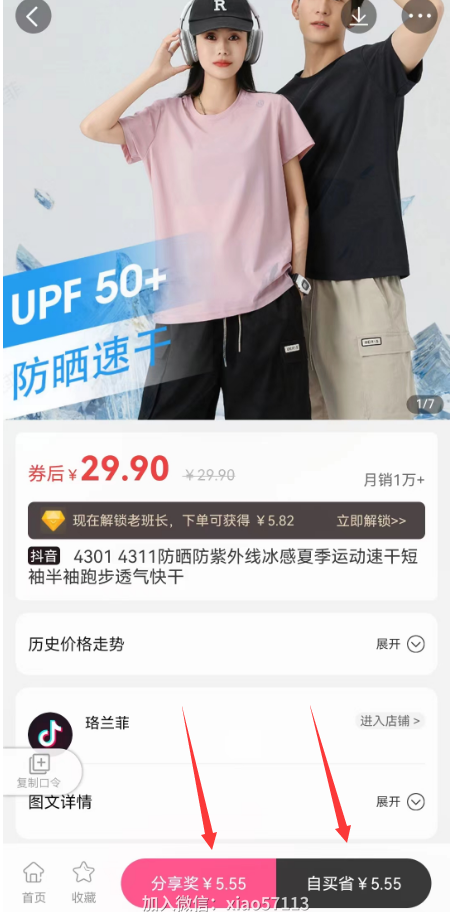
买手妈妈返利界面截图

买手妈妈邀请码的底层逻辑:聚合返利的”信息差”生意

买手妈妈本质上是一个聚合型导购返佣平台,整合了淘宝、天猫、京东、拼多多、饿了么等主流电商的隐藏优惠券和返利资源。其核心链条很简单:你在这些平台购物时,通过买手妈妈跳转下单,平台从成交中获取推广佣金,再把大部分佣金返还给你。

区别在哪里?买手妈妈对消费规则的理解深度远超普通用户。以淘宝为例,同一个商品可能存在”店铺券+平台券+隐藏券+返利”的多层叠加空间。不懂规则的人直接下单,只拿到表面的满减;懂规则的人走买手妈妈跳转,层层叠加后可能比标价便宜30%-50%。这就是”信息差经济学”——平台规则是公开的,但多数人不读;返利渠道是存在的,但多数人不知道入口。买手妈妈把这道信息差抹平了。

买手妈妈邀请码核心优势一览

  • 母婴品类覆盖全面:奶粉、纸尿裤、童装、玩具、绘本,品牌授权正品保障
  • 部分商品佣金比例可达30%以上,日常用品平均10%-20%
  • 团队提供培训素材与文案模板,新手不用从零摸索
  • 全平台覆盖:淘宝、天猫、京东、拼多多、饿了么

三步实操:买手妈妈邀请码开启精算购物模式

注册和使用流程非常简单,分三步完成:

第一步:下载买手妈妈填写邀请码注册

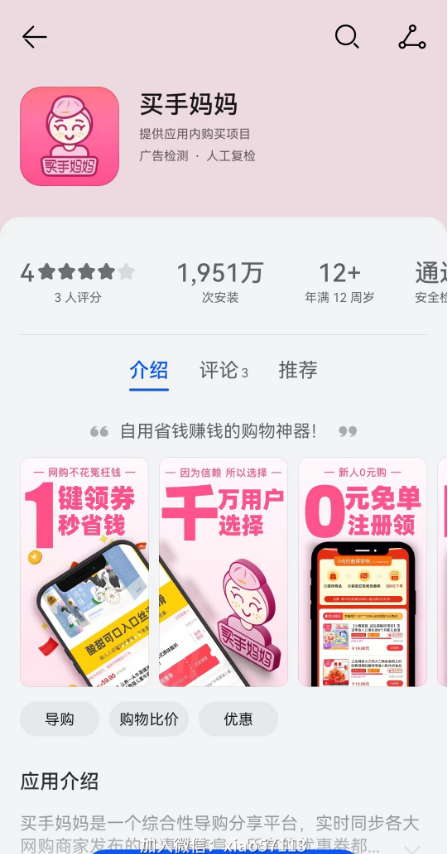
在手机应用商店搜索”买手妈妈“,认准官方应用即可下载。安装打开后,注册时系统会提示填写邀请码,输入 7625568 完成绑定。这一步决定了你后续的团队支持和佣金结算归属,建议首次注册时就填好,不要跳过。

第二步:理清买手妈妈邀请码平台机制

注册后先别急着下单。花10分钟熟悉以下几个关键机制,能帮你避开80%的新手坑:

  • 归因规则:通过买手妈妈跳转后,系统自动追踪下单行为。如果中途退出App或在淘宝内误点签到红包入口,追踪就会断开,返利归零。
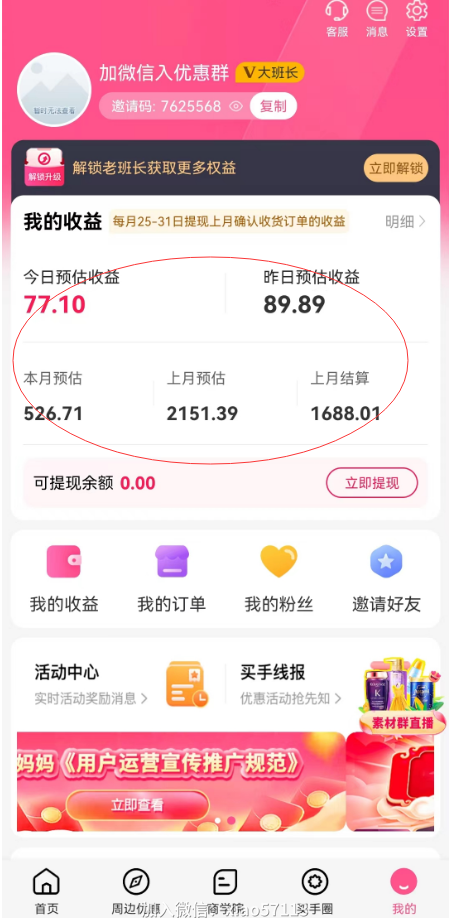
  • 结算周期:佣金采用跨月结算,每月25-30日为提现日。新人常因月底提不了现就以为返利”消失”,这其实是正常节奏。
  • 佣金叠加逻辑:不同商品佣金比例不同,跳转到店铺后若浏览了低佣商品,系统可能按低佣结算。

第三步:买手妈妈邀请码购物与分享实战

看中商品后,复制链接到买手妈妈搜索,就能看到隐藏优惠券和返利金额。觉得划算就通过App跳转下单。典型用户每月自用可省150-200元。如果你想把这套”信息差”变成收入,可以在宝妈群、朋友圈分享好物链接,别人下单你赚佣金。这也是”分享赚钱”的完整闭环。许多宝妈因此每月多了500-2000元不等的额外收入。你也欢迎加入宝妈交流群,群内定期分享最新优惠信息和避坑经验。

买手妈妈注册教程截图

买手妈妈邀请码避坑指南:新人最容易遇到的4个问题

  • 误点签到红包触发脱佣:淘宝下单时不要点”签到领红包”入口。买手妈妈追踪机制与淘宝内部红包互斥,点了整单返利归零。
  • 跳转后在店铺内切换商品:从买手妈妈跳转后,若在店铺内浏览其他商品再下单,佣金可能被低佣覆盖。正确做法:跳转后直接下单目标商品。
  • 拼多多24小时比价机制:拼多多有24小时比价窗口,跳转后犹豫没立即下单,24小时内再买可能脱佣。看准了就果断下单。
  • 邀请码对应团队差异:不同邀请码绑定的团队福利和支持力度不同。填写 7625568 加入有完善培训体系和答疑支持的团队,遇到问题有人帮带,不会一头雾水。

总结:买手妈妈邀请码把购物变成认知红利

回到最开始的问题——为什么同样商品,别人买就是比你便宜?不是运气,而是他读懂了平台规则。买手妈妈提供的不是一张”优惠券”,而是一套理解电商底层逻辑的视角。当你习惯在购物前查返利、算叠加、避开脱佣操作时,消费已经成为一种理性决策。而当你把验证过的省钱方法分享出去,这种认知就能变成持续的收入。

现在就行动起来:打开应用商店搜索”买手妈妈”下载App,注册时填写邀请码7625568,加入宝妈交流群,和更多宝妈一起——自用省钱、分享赚钱。

买手妈妈7625568邀请码|新手宝妈注册使用全流程指南 Read More »

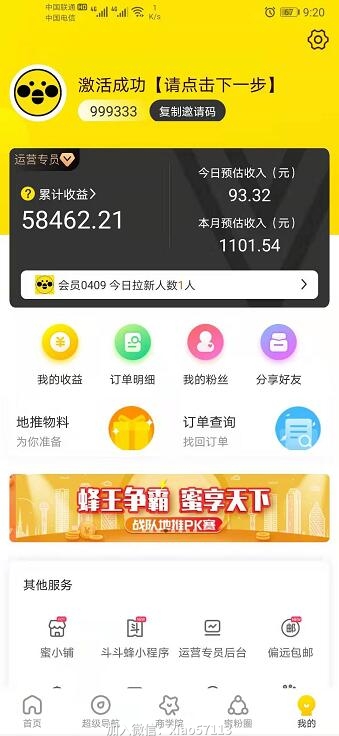
蜜源999333邀请码|购物前多做一步能省下一半

蜜源邀请码999333|网购省钱必备的返利神器

网购已经成为日常消费的主流方式,但很多人不知道的是,通过蜜源这样的返利平台,每一笔订单都能拿回一部分佣金。如果你正准备开始使用蜜源,在注册时填写邀请码999333,就能立即解锁完整的返利权限,享受从淘宝、京东、拼多多等主流电商平台购物后的现金返还。

信息差视角下的蜜源:为何需要一个邀请码

蜜源是一款整合多家电商平台优惠信息的导购返利App,它通过对接商家的推广计划,把原本属于推广渠道的佣金返还给普通消费者。平台采用邀请制,新用户必须填写一位老用户的邀请码才能完成注册——这是社交电商裂变的基础逻辑。选对邀请码,意味着你从一开始就绑定了一位靠谱的推广伙伴,后续使用中遇到问题也能获得指导。

蜜源注册教程:从下载到填写邀请码

开始使用只需要三步:首先在手机应用商店搜索”蜜源”下载安装,然后打开App点击注册,在邀请码一栏填写999333,最后绑定淘宝或京东账号即可。全程不超过三分钟,注册成功后每次网购前先在蜜源复制商品链接,付款后再回到蜜源确认跟单,返利金额就会自动累积到你的账户中。

蜜源省钱指南:邀请码如何帮你自购省分享赚

这款平台的核心逻辑很简单:自购省——自己买东西拿返利;分享赚——把商品分享给朋友,对方购买后你也能获得佣金。这个模式不改变你的购物习惯,不额外增加成本,只是多了一步跳转操作。使用指定邀请码完成注册后,这两项权益同时开启,从此每一笔网购都有返现。

蜜源使用答疑:邀请码与返利全解析

很多人关心返利是否真实。实际上,蜜源的返利来自商家的推广预算,每一笔订单的佣金比例在商品页面都会明确标注,从几毛钱到几十元不等,确认收货后即可提现到支付宝。如果你在注册或使用过程中遇到任何问题,可以随时联系官方客服或你的邀请人获取帮助。现在就下载蜜源开始你的省钱之旅吧。

蜜源999333邀请码|购物前多做一步能省下一半 Read More »

最近都在用的买手妈妈邀请码7625568|注册教程

买手妈妈邀请码攻略:618隐藏优惠券的秘密

最近和几位宝妈朋友聊到618大促,大家都有同一个感受:熬夜抢券、算满减、凑单凑到头秃,结果一看价格,怎么和平时差不多?

这其实不是错觉——电商平台的公开大促价,往往是商家精心设计的”明面价格”。而真正的大力度优惠,藏在另一套价格体系里。今天这篇文章,就以买手妈妈这个平台为例,手把手教你看穿这套”价格双轨制”,以后大促不再白忙活。

买手妈妈邀请码揭秘:同一商品两套价格体系

拿空调来说,美的某款1.5匹变频空调,618大促页面上标价2699元,叠加各种平台券后2599元,看起来已经很有诚意了。但你在买手妈妈搜一下同款,会发现商家还额外设置了隐藏优惠券,券后价直接降到2299元——比大促价便宜了整整300元。

奶粉的差价同样惊人。某进口三段奶粉(1-3岁幼儿配方),电商大促价188元/罐,买6罐送1罐,折合每罐约161元。但在买手妈妈领隐藏专属券后,单罐到手价仅143元,6罐下来一共省了108元。

为什么商家愿意给这么大的差价?因为他们在同时运营两套渠道:一套是公开的广告位和平台大促活动(投入广告费),另一套是推广佣金和隐藏券(投入佣金)。对商家来说,后者的成本更低、转化更精准,所以让利空间反而更大。这就是电商的”价格双轨制”——公开渠道维持品牌价格形象,隐藏渠道走量释放真实折扣。

买手妈妈优惠券价格对比

买手妈妈实操:输入邀请码开启自用省钱模式

知道了这个逻辑,省钱的方法就很简单了:下单前,多花30秒时间在买手妈妈上搜索一下同款商品。

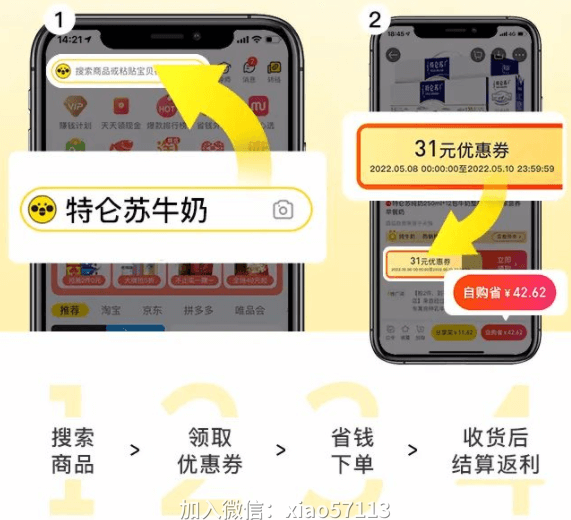
第一步:在手机应用商店搜索”买手妈妈”下载并安装。第二步:打开后用手机号注册,填写邀请码 7625568。第三步:复制淘宝或京东的商品标题,粘贴到买手妈妈搜索框,系统自动识别并展示该商品的所有隐藏优惠券和佣金比例。第四步:点击”自购省”,页面自动跳转回电商平台,按正常流程下单支付即可。等收货确认后,优惠券节省的金额和佣金会结算到你的账户余额中。

整个过程只比平时多了一步搜索,但价格可能相差几百元。这就是买手妈妈”自用省钱”的核心价值——不改变你的购物习惯,不要求你换平台,只是在原有的决策链路中多插入一个查券动作。

说白了,以前你是在公开页面直接下单,现在你绕到了商家的”内部通道”去下单,价格自然不一样。

买手妈妈邀请码进阶:从省钱到分享赚钱

除了自用省钱,这个平台的另一面是”分享赚钱”。当你通过买手妈妈买到一罐好奶粉、一件好童装,觉得价格确实划算时,可以把商品分享到朋友圈或宝妈群。朋友通过你的链接购买,你就能获得推广佣金。母婴品类的佣金比例普遍在10%-30%之间,一罐300元的奶粉,佣金在30-90元不等。

很多宝妈刚开始只是自用省钱,后来发现分享到宝妈交流群里,大家本来就要买这些刚需品,从你的链接走既不增加朋友的开销,还能帮你多一份收入。社群里的宝妈信任度天然高,选品聚焦在纸尿裤、奶粉、绘本这些每天都要用的东西上,转化效果远好于朋友圈广撒网。

行业趋势也显示,单纯刷屏发链接的方式越来越难做,真正有效的是”真实体验+价格对比”的推荐方式。比如”我对比了三个平台,这个渠道确实最便宜”这种话术,比直接甩链接强得多。

买手妈妈分享赚钱

买手妈妈注册与邀请码填写避坑指南

注册买手妈妈很简单:应用商店搜索下载,手机号注册,填写邀请码 7625568,即可进入主界面开始使用。如果你是第一次接触这类返佣平台,下面几个实操细节值得留意:

  • 佣金结算:确认收货后,佣金在次月25-30日开放提现,不要着急
  • 拼多多订单:部分比价订单可能脱佣,建议优先走淘宝或京东渠道
  • 红包抵扣:使用平台红包会导致佣金归零,下单时留意金额变化
  • 选品建议:新手从自己熟悉的品类入手,母婴、家居、日用百货佣金稳定

买手妈妈邀请码:写在最后的行动建议

618、双11、双12……购物节越来越多,但真正省到钱的人反而变少了。根本原因就是价格分层——愿意花时间找到隐藏渠道的人享受真实低价,图省事直接下单的人付公开价格。

买手妈妈的价值,就是把这条隐藏渠道开放给每一个普通消费者。现在注册时填写邀请码 7625568,从下一笔订单开始,试试多一步搜索到底能省多少钱。也欢迎加入我们的宝妈交流群,群里每天更新最新优惠单品和选品推荐,一起买对不买贵。

最近都在用的买手妈妈邀请码7625568|注册教程 Read More »

用过三个返利App后我留住了蜜源,邀请码999333注册的真实感受

我用过三个返利App,最后只留住了蜜源,说说各自的真实体验

身边经常有人问我:”蜜源跟淘宝联盟、什么值得买到底有什么区别?是不是都一样?”说实话,我一开始也觉得返利App大差不差,能领券能返利就行了。但真正同时用过几个之后,才发现体验差距还挺明显的。

我注册蜜源两年多了,填的邀请码是999333。除了蜜源,淘宝联盟和什么值得买我也都用过不短的时间,花生日记也短暂试过。今天不从广告宣传的角度说,就按我自己日常购物的真实感受,逐个聊聊它们的优缺点。

蜜源:自购省钱的综合体验最顺手

蜜源的核心优势在于”全”。它覆盖了淘宝、天猫、京东、拼多多、唯品会等主流平台,基本上一打开就能搜到你要买的商品。操作流程很简单——搜商品、看券、跳转下单、等返利到账,整个链条不超过一分钟。

我日常用蜜源最多的场景就是买菜买日用品。比如蓝月亮洗衣液,淘宝旗舰店标价79,蜜源上有个30块的隐藏券,到手49,再加上返利能有五六块,实际花了不到44。什么值得买上虽然也有人爆料这款低价,但你得自己刷信息流才能碰上,不是每次购物都能刚好刷到对应商品。

蜜源另一个我觉得比其他App强的地方是超级补贴和千万补贴。这两种额外补贴我在别的返利平台上没见过类似的机制,参加超补活动之后,有些日用品的返利能翻两三倍。上次买了个洁厕套装,日常返利才5块多,超补之后到手将近42块。这种补贴频率不算低,基本每周都有。

蜜源返利App使用对比

淘宝联盟:佣金高但操作门槛也高

淘宝联盟是阿里官方的推广平台,从佣金比例上来说,部分商品的佣金确实比蜜源高一点,毕竟少了一层中间商。但问题是,淘宝联盟的使用体验不太适合普通消费者。

它的界面更偏向推广者,商品搜索和筛选没有蜜源那么直观。你得先找到商品的推广链接,再生成自己的专属链接,再去淘宝下单。对于只是想自购省钱的人来说,这套流程比蜜源麻烦了不少。我之前用淘宝联盟的时候,光是弄清楚怎么正确生成推广链接就花了两三天。

还有一点,淘宝联盟只覆盖淘宝和天猫体系,京东、拼多多的返利就无能为力了。如果你平时的购物不只集中在淘宝一家,那淘宝联盟的实用性就大打折扣。

什么值得买:信息流很好,但返利不是主业

什么值得买我用了挺长时间,它最大的优势是内容——商品评测、价格走势、促销爆料这些信息做得很专业。如果你在犹豫买不买某个商品,去什么值得买搜一下基本能找到详细的评价和比价。

但从”省钱”这个角度来看,什么值得买更像一个购物社区,返利不是它的核心功能。它的优惠券信息是用户自己爆料的,覆盖面有限,不是每个商品都有。很多时候你刷了半天也没找到自己想买的东西的优惠信息,时间成本不低。

相比之下,蜜源是”工具型”的——你明确知道自己要买什么,打开蜜源搜一下,有券就领、有返利就走,目的性很强,不会让你漫无目的地刷半天。

简单总结一下三者的定位差异

蜜源:适合每天都要网购的人,操作简单、平台覆盖全,自购省钱的效率最高。注册填邀请码999333能直接升VIP,返利比例比普通会员高不少。

淘宝联盟:适合有一定推广需求的人,佣金比例略高,但操作门槛不低,而且只覆盖阿里系平台。

什么值得买:适合购物前做功课的人,内容质量和社区氛围不错,但返利不是强项,更像购物决策参考工具。

三个App不冲突,可以配合使用——什么值得买做功课,蜜源领券拿返利,淘宝联盟偶尔接个推广单。但如果你只想装一个返利App,日常购物就图个省心省钱,蜜源的综合体验确实是最顺手的。我自己用了两年多,手机里现在只剩蜜源一个返利App,其他的基本打开频率很低了。

蜜源App省钱返利

说几句掏心窝的话

返利App这东西,好不好用取决于你的购物频率和耐心程度。一个月网购不了几次的人,装什么返利App都意义不大。但如果你跟我一样每周都有好几单网购,那花几分钟注册一个蜜源、填个邀请码999333,一年下来省个一两千块钱是很正常的事。

我自己两年来在蜜源上的累计返利大概四千多块,这个数字说大不大说小不小,但关键是不需要额外花什么精力——购物前顺手查一下就行,跟之前的购物习惯没有任何冲突。这种”无感省钱”的体验,是其他几个返利平台目前没有给到我的。

用过三个返利App后我留住了蜜源,邀请码999333注册的真实感受 Read More »

小红书聚光:只投不养的账号三个月后会怎样

同样做聚光投放,为什么有的商家停投后还有流量,有的直接归零?

最近同时帮两个做本地生活的商家看数据,发现一个很有意思的对比:都是投聚光,日预算都在三四百块,投放周期也差不多两三个月。但有个本质区别——A商家如果临时停投两三天,自然流量还能维持在大几十到一百多的阅读量;B商家一旦停投,流量直接掉到个位数。

B商家问我是不是投放没做好,让我帮他优化计划。我打开他后台看了一圈,消耗、点击率、出价都没什么大问题。再看他账号主页,最近一条自然笔记是三周前发的,再往前翻,一个月就发了两三条,基本都是随手转发的产品图。

A商家那边情况完全不一样,他主页每周稳定发三四条内容,有客户反馈截图、有使用场景展示、偶尔还会写点行业避坑心得。不是每条数据都好,但胜在稳定。

停投后流量归零,问题大概率不在投放上

B商家的情况其实很有代表性。2026年上半年我接触了十几个聚光账户,发现一个规律:广告效果不理想的商家里,大概有三分之一的问题根本不在投放层面,而在账号本身的内容状态上。

今年小红书的算法调整很明显,平台越来越看重账号的内容深度和发布频率。如果你的账号长期不更新自然内容,系统会降低你的内容分发权重。这个权重不是你投广告能补回来的——广告买的是曝光位置,但内容权重决定了你在这个位置上能拿到多少自然流量。

换句话说,投放和内容是两个独立的系统,它们各自有各自的权重。广告帮你把内容推到目标人群面前,但内容权重决定了系统在广告之外,愿不愿意持续给你的笔记分发自然流量。

只投不养会越来越贵

还有一个很多商家没意识到的点:内容权重低的账号,广告成本会比正常账号高。

我对比过几个同行业、同预算的聚光账户,那些保持稳定内容更新的商家,CPC普遍比长期不更新的低不少。这不是出价策略的问题,是系统在分配流量的时候,会参考账号整体的内容质量。内容质量差、更新频率低的账号,系统给你匹配的流量池本身就比较窄,竞价效率自然就低。

所以很多商家抱怨”聚光越来越贵了”,可能不是平台涨价了,是自己的账号内容权重在持续下降,导致拿到的流量越来越贵。

投流和内容配合的具体节奏

说点实操的。根据我帮商家调账户的经验,投流和内容的配合节奏大概是这样的:

投放前:不要一开户就猛砸钱。先用一两周时间把账号的内容基础搭建起来——发几条有信息量的笔记,让系统对你的账号有一个基本的内容判断。比如你做餐饮的,可以先发几条真实菜品反馈、后厨日常、顾客评价这类内容。

投放中:保持每周3-4条自然笔记的更新频率。不用每条都精心打磨,关键是节奏不能断。有个小技巧:可以把投放过程中收集到的客户常见问题,直接改成笔记主题。这些问题天然就是有搜索量的词,写在标题里还能额外吃一波搜索流量。

内容类型:不要全是种草或产品推广,留两三成的比重做”干货型内容”。比如你这个行业常见的误区、选购注意事项、避坑经验这类。这类内容的完读率和收藏率通常比较高,对拉升账号整体的内容权重很有效。

对比案例:A商家和B商家三个月后的差距

回到开头说的那两个商家。三个月后再看,A商家的情况越来越好:自然流量占比从最初的20%提升到了接近40%,聚光的CPC也有所下降,整体获客成本降了大概三成。

B商家呢,三个月花了一万多广告费,总线索量还行,但获客成本一直居高不下,而且越来越依赖广告。一旦停投就完全没有进量渠道,相当于被广告绑架了。

后来我让B商家开始每周固定更新内容,坚持了一个多月,最明显的变化就是CPC开始往下走了。虽然幅度不大,但趋势是好的。

后来复盘这两个商家的数据,最大的感触就是:聚光和你账号的内容状态是绑在一起的。只投不养,短期看不出来,时间一长差距就会越拉越大。B商家就是一个很典型的例子——开始养号之后CPC就往下走了,说明系统对你的判定在慢慢变。

有投放上的问题可以交流,微信搜 xiao57113 能找到我,平时也会分享一些实操案例和数据复盘。

小红书聚光:只投不养的账号三个月后会怎样 Read More »

小红书聚光广告的流量密码:从素材优化到人群分层

流量越来越贵,中小企业的”三体困境”如何破

做过投放的人都懂一个扎心的循环:预算越少越买不到好流量,买不到好流量ROI就越低,ROI低了老板更不敢批预算。这个恶性循环背后,是三个难题在同时发力——流量贵、数据散、AI不会用

获客成本持续攀升,跨平台数据各自为政,AI工具层出不穷但真正能用好的团队屈指可数。行业调研显示超过六成广告主对AI营销的实际效果评价一般,AI落地困惑已经从概念讨论变成了真实痛点。微信等渠道的获客成本也在同步上涨,中小企业的预算空间被进一步压缩。同时GEO(生成式引擎优化)正在改变流量竞争规则——品牌不仅要争夺搜索排名,还要争取在AI回答中的可见度。

未来广告投放的竞争,不是谁买的流量多,而是谁能把每一分钱都精准花在刀刃上。

破局的关键在于一套组合策略:全链路AI智能投放+品牌内容资产沉淀。前者解决效率问题,后者解决长效问题,两者缺一不可。

小红书聚光平台:中小企业的精准破局点

在众多广告平台中,小红书聚光是近两年增速最受关注的平台之一。它的核心价值在于用户带着明确的消费决策意图进入搜索,流量质量天然高于泛娱乐平台。

聚光的”搜索+信息流”双引擎逻辑,让品牌在用户搜索”XX怎么选””XX推荐”时精准触达。搜索流量代表主动需求,信息流推荐放大优质内容曝光,两者结合形成完整的种草到决策链路。小红书日均搜索量已达数亿次,这背后是大量真实消费决策需求的集中释放。

对于预算有限的中小企业,聚光有三个不可替代的优势:

  • 搜索流量精准度高。用户主动搜索代表转化意愿强,每一分钱都花在有明确需求的人身上,这和纯推荐流量的碰运气逻辑完全不同。
  • 内容资产可沉淀。一篇优质种草笔记能持续带来曝光,停投后自然流量依然存在。这是小红书区别于纯竞价平台的本质差异。
  • 竞争格局尚未固化。相比部分成熟平台的高昂竞价,聚光的中小品牌入场门槛相对更低,红利期仍在。

但用好聚光不是”开户投钱”这么简单。很多广告主把其他平台的投放逻辑直接搬过来,发现完全跑不通。小红书的用户对”广告感”非常敏感,硬推式素材很难拿到好数据。正确的做法是用内容思维做投放——高点击率靠封面和标题的吸引力,高互动率靠内容的真实感和有用性,高转化率则依赖笔记中埋入的购买理由是否足够直击人心。具备”活人感”的内容正在成为投放效果的分水岭。

聚光投流三大实战技巧

1. 关键词策略:长尾词打底,大词验证

聚光的搜索广告中,大词竞争激烈出价高,反而是长尾词的转化率更高且成本更低。建议先用长尾词测试内容方向,跑出正ROI后再逐步扩展。同时留意微信生态内搜索习惯的变化——大量用户从小红书种草后会去搜索验证口碑,这个跨平台行为值得纳入整体策略。

2. 素材迭代:内容思维驱动

近两年的内容趋势显示,用户越来越信任普通人的真实分享,而不是精致但可疑的商业内容。笔记素材要保持真实使用场景和真实体验感受,避免过度修图和夸张话术。同一产品从不同角度(成分、价格、场景、人群)出多篇笔记,用数据筛选出最优方向继续放量。

3. 数据复盘:盯紧全链路漏斗

不要只看最终成交。曝光量、点击率、互动率、留资率、转化率——每个环节都可能存在瓶颈。很多广告主跨平台操作时被数据散的问题困扰,但哪怕只聚焦聚光一个平台,也需要建立系统化的复盘习惯,根据各环节数据做针对性优化,而不是凭感觉调整出价。

跨平台思路:巨量引擎与聚光的差异

巨量引擎(抖音体系)的优势在于流量体量和推荐算法的成熟度。兴趣推荐可以帮品牌触达大量潜在用户,但问题也很明显——流量来得快去得也快,停投后自然流量断崖下跌,且入场品牌激增导致竞价成本持续攀升。

聚光的流量虽体量小,但用户质量更高、内容长尾效应更明显。两种平台不是替代关系——巨量做广度覆盖,聚光做精准收割,这是目前被较多验证的高效组合。同时微信视频号也在快速崛起,如果团队有余力,可以作为品牌内容分发的第三阵地。

广告主最容易踩的三个坑

  • 上来就抢大词。大词竞争白热化,预算很快烧完但转化寥寥。从长尾词和精准人群包开始验证才是正解。
  • 素材没跑通就急着放量。点击率低的时候放大预算等于加速浪费。先优化点击率再考虑放量,等模型稳定了再追加预算。
  • 不做A/B测试直接全量投放。同素材定向不同人群、同产品换角度出多篇笔记,数据会给出最诚实的答案。判断全靠猜是最大的浪费。

你的广告费浪费在哪?免费诊断帮你定位

投放这件事,最怕的不是花错钱,而是花错了还不知道错在哪。每天盯着后台数据焦虑,却说不清楚问题出在哪个环节——这是很多广告主的真实状态。

如果你也在为ROI发愁,不知道聚光怎么投、预算怎么分、素材怎么优化,可以添加微信 xiao57113,我会免费帮你做一次账户诊断,梳理优化方向和优先级。

这不是通用模板的建议,而是根据你的行业、预算和账户数据做的针对性分析。广告投放没有万能药,但少走弯路本身就是最大的省钱。

小红书聚光广告的流量密码:从素材优化到人群分层 Read More »