open

买手妈妈7625568邀请码|聚合淘宝京东拼多多的省钱神器

当购物变成一场规则博弈:为什么聪明宝妈都在用买手妈妈7625568

你有没有过这样的体验——明明看到别人买同款纸尿裤便宜了几十块,自己下单却贵得肉疼?在淘宝、京东、拼多多刷了半天,券领了一堆,最后真正能用上的没几张?

这不是运气问题,而是你对平台规则不够熟悉。近两年,电商的优惠规则越来越复杂——满减叠加、跨店凑单、隐藏券、返利归因……每一个环节都藏着省钱或赔钱的分水岭。而买手妈妈,就是帮你读懂这套规则、把每一笔消费变成”规则博弈”的工具。

它不是简单地教你省钱,而是让你理解淘宝、京东、拼多多的归因逻辑、结算周期和佣金叠加机制——把购物从感性消费变成一场理性的精算游戏。这正是越来越多宝妈选择买手妈妈的原因:自用省钱、分享赚钱

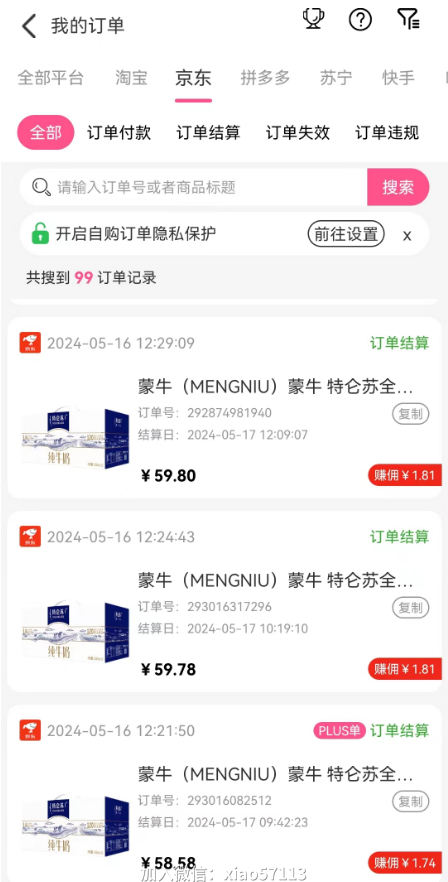
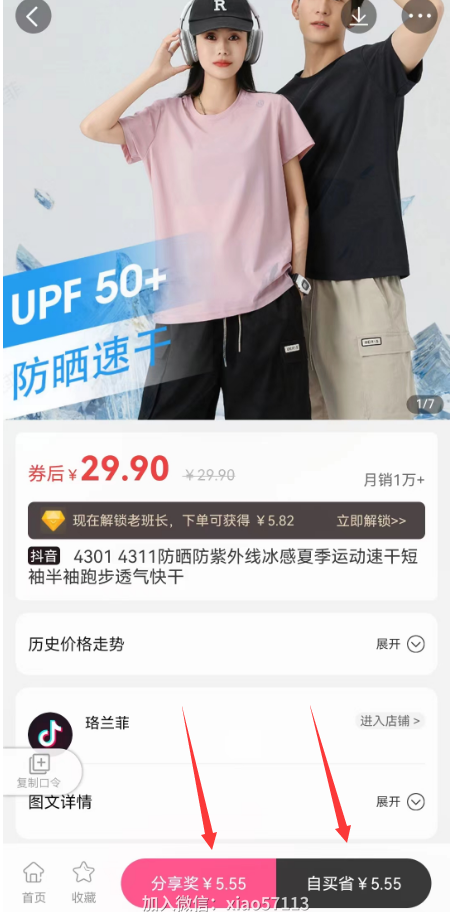
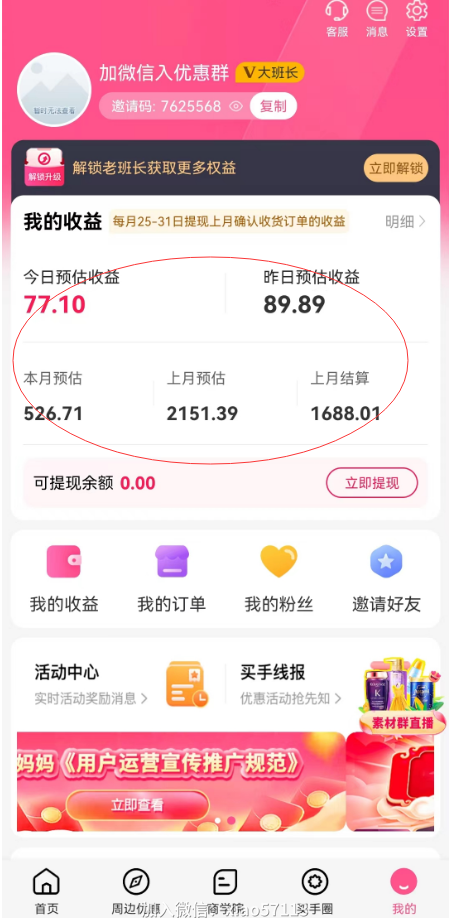
买手妈妈返利界面截图

买手妈妈邀请码的底层逻辑:聚合返利的”信息差”生意

买手妈妈本质上是一个聚合型导购返佣平台,整合了淘宝、天猫、京东、拼多多、饿了么等主流电商的隐藏优惠券和返利资源。其核心链条很简单:你在这些平台购物时,通过买手妈妈跳转下单,平台从成交中获取推广佣金,再把大部分佣金返还给你。

区别在哪里?买手妈妈对消费规则的理解深度远超普通用户。以淘宝为例,同一个商品可能存在”店铺券+平台券+隐藏券+返利”的多层叠加空间。不懂规则的人直接下单,只拿到表面的满减;懂规则的人走买手妈妈跳转,层层叠加后可能比标价便宜30%-50%。这就是”信息差经济学”——平台规则是公开的,但多数人不读;返利渠道是存在的,但多数人不知道入口。买手妈妈把这道信息差抹平了。

买手妈妈邀请码核心优势一览

  • 母婴品类覆盖全面:奶粉、纸尿裤、童装、玩具、绘本,品牌授权正品保障
  • 部分商品佣金比例可达30%以上,日常用品平均10%-20%
  • 团队提供培训素材与文案模板,新手不用从零摸索
  • 全平台覆盖:淘宝、天猫、京东、拼多多、饿了么

三步实操:买手妈妈邀请码开启精算购物模式

注册和使用流程非常简单,分三步完成:

第一步:下载买手妈妈填写邀请码注册

在手机应用商店搜索”买手妈妈“,认准官方应用即可下载。安装打开后,注册时系统会提示填写邀请码,输入 7625568 完成绑定。这一步决定了你后续的团队支持和佣金结算归属,建议首次注册时就填好,不要跳过。

第二步:理清买手妈妈邀请码平台机制

注册后先别急着下单。花10分钟熟悉以下几个关键机制,能帮你避开80%的新手坑:

  • 归因规则:通过买手妈妈跳转后,系统自动追踪下单行为。如果中途退出App或在淘宝内误点签到红包入口,追踪就会断开,返利归零。
  • 结算周期:佣金采用跨月结算,每月25-30日为提现日。新人常因月底提不了现就以为返利”消失”,这其实是正常节奏。
  • 佣金叠加逻辑:不同商品佣金比例不同,跳转到店铺后若浏览了低佣商品,系统可能按低佣结算。

第三步:买手妈妈邀请码购物与分享实战

看中商品后,复制链接到买手妈妈搜索,就能看到隐藏优惠券和返利金额。觉得划算就通过App跳转下单。典型用户每月自用可省150-200元。如果你想把这套”信息差”变成收入,可以在宝妈群、朋友圈分享好物链接,别人下单你赚佣金。这也是”分享赚钱”的完整闭环。许多宝妈因此每月多了500-2000元不等的额外收入。你也欢迎加入宝妈交流群,群内定期分享最新优惠信息和避坑经验。

买手妈妈注册教程截图

买手妈妈邀请码避坑指南:新人最容易遇到的4个问题

  • 误点签到红包触发脱佣:淘宝下单时不要点”签到领红包”入口。买手妈妈追踪机制与淘宝内部红包互斥,点了整单返利归零。
  • 跳转后在店铺内切换商品:从买手妈妈跳转后,若在店铺内浏览其他商品再下单,佣金可能被低佣覆盖。正确做法:跳转后直接下单目标商品。
  • 拼多多24小时比价机制:拼多多有24小时比价窗口,跳转后犹豫没立即下单,24小时内再买可能脱佣。看准了就果断下单。
  • 邀请码对应团队差异:不同邀请码绑定的团队福利和支持力度不同。填写 7625568 加入有完善培训体系和答疑支持的团队,遇到问题有人帮带,不会一头雾水。

总结:买手妈妈邀请码把购物变成认知红利

回到最开始的问题——为什么同样商品,别人买就是比你便宜?不是运气,而是他读懂了平台规则。买手妈妈提供的不是一张”优惠券”,而是一套理解电商底层逻辑的视角。当你习惯在购物前查返利、算叠加、避开脱佣操作时,消费已经成为一种理性决策。而当你把验证过的省钱方法分享出去,这种认知就能变成持续的收入。

现在就行动起来:打开应用商店搜索”买手妈妈”下载App,注册时填写邀请码,加入宝妈交流群,和更多宝妈一起——自用省钱、分享赚钱。

买手妈妈7625568邀请码|聚合淘宝京东拼多多的省钱神器 Read More »

蜜源999333|网购前用这个邀请码领隐藏优惠券

蜜源邀请码999333|自购省分享赚的省钱新方式

近两年电商导购赛道经历了一场不折不扣的”返利军备竞赛”。从最初50%左右的返利比例,到后来部分平台打出80%甚至更高的口号,这场围绕”谁更省钱”的竞争愈演愈烈。表面上看这是消费者的狂欢——返利越高越划算——但从商业模式的角度看,这种极限压价的竞争终究会遇到天花板。当所有平台都在拼返利比例时,真正的价值壁垒究竟是什么?本文从蜜源这个典型样本出发,分析导购类APP的竞争逻辑与未来走向。

蜜源APP展示

蜜源邀请码与电商导购竞争格局

蜜源的核心定位是社交电商导购平台。用户通过蜜源跳转到淘宝、京东、拼多多等主流电商平台购物,可以领取隐藏优惠券并获得返利佣金。这种模式本质上是在电商产业链中承担”流量分发”角色——把有购物需求的用户引导到特定商家,从中获取推广佣金,再将部分佣金返还给用户。而社交裂变机制则让用户之间形成分享关系网,进一步放大流量规模。

蜜源的价值主张非常清晰:自购省、分享赚。自己买东西能省钱,把商品链接分享给朋友能赚佣金。这个逻辑简单直接,但真正让蜜源在众多导购平台中站稳脚跟的原因,并不只是返利比例的高低,而是它在供应链对接和AI选品方面的积累。

蜜源注册流程与邀请码填写方法

使用蜜源的门槛很低,整个过程只需几分钟。首先在手机应用商店搜索”蜜源”即可找到官方APP,免费下载并完成安装。打开APP后使用手机号注册,在个人信息或引导页面填写邀请码 999333完成绑定。

注册成功后,在蜜源内搜索或浏览商品,领取隐藏优惠券后跳转至对应电商平台下单。确认收货后返利自动到账,支持随时提现。整个过程不需要额外付费也不需要复杂操作。

蜜源使用流程

蜜源邀请码之外真正的竞争壁垒

回到开篇的问题:当返利比例成为各家平台互相攀比的数字游戏,蜜源真正的护城河是什么?

从行业角度看,单纯的返利高低很难构成可持续优势——今天你给80%,明天对手就能给85%,最终变成烧钱换流量的内耗。蜜源近几年的布局给出了几个方向:供应链整合能力AI驱动的选品效率

供应链方面,通过深度对接淘宝、京东、抖音等平台的海量商品库,蜜源能够实时抓取各类优惠信息并进行分类推荐,降低了用户筛选好物的时间成本。AI选品方面,基于大模型的推荐算法可以根据用户的浏览和购买习惯提供个性化导购体验。这些能力不像返利比例那样直观可见,却是决定用户是否愿意长期使用的关键。

此外,蜜源还在尝试沉淀用户的社交资产。当一群有省钱共识的用户聚集在一起,产生的不仅是交易行为,还有内容分享和购物经验的交流。这也是为什么不少用户选择加入蜜源省钱交流群,在群里发现更多优惠信息和购物技巧。

如果你对省钱和优惠信息感兴趣,可以加入蜜源的省钱交流群,和其他用户一起发现更多好价。

蜜源总结与邀请码使用建议

电商导购行业目前确实面临同质化竞争的问题,单纯比返利比例终究会遇到天花板。但从蜜源的发展路径来看,”自购省、分享赚”的双轮驱动加上AI技术和供应链能力的支撑,让这个赛道仍然有持续进化的空间。对于普通用户来说,不管行业格局如何变化,购物前多一步查券的流程,本身就是值得养成的好习惯。

如果你还没有体验过,不妨在应用商店搜索”蜜源”下载,注册时使用蜜源邀请码999333,开启更省钱的购物方式。

蜜源999333|网购前用这个邀请码领隐藏优惠券 Read More »

Conscientiousness vs. Perfectionism: Understanding the Difference in Personality Types

Of the five major dimensions of personality that psychologists have spent decades mapping, one stands out for its ability to predict real-world outcomes with remarkable consistency. It is not the flashiest trait. It does not make for the most entertaining party conversation. But if you had to bet on a single personality characteristic to forecast someone’s academic performance, career trajectory, physical health, and even how long they will live, the smart money goes to conscientiousness.

Conscientiousness is one of the Big Five personality traits — a framework that emerged from decades of factor-analytic research and is now the most widely accepted model in personality psychology. Alongside Openness, Extraversion, Agreeableness, and Neuroticism, conscientiousness captures a person’s tendency toward organization, self-discipline, carefulness, and goal-directed behavior. People who score high on this trait make to-do lists and actually follow them. They show up on time. They double-check their work. They think about consequences before acting. People who score low are more spontaneous, flexible, and comfortable with improvisation — qualities that come with their own set of advantages, though they tend to attract less research attention.

What Conscientiousness Actually Measures

When psychologists assess conscientiousness, they are not just asking whether someone is “organized.” The trait is typically broken down into several narrower facets. In the widely used Big Five Inventory (BFI-2), conscientiousness includes three primary sub-components: organization (keeping things orderly and structured), productiveness (persistent work toward goals), and responsibility (following through on commitments and obligations). Other models add additional facets such as self-discipline, deliberation, and achievement-striving.

This means two people can score identically on overall conscientiousness while expressing it very differently. One might be meticulously organized but struggle with procrastination once a task feels overwhelming. Another might be highly productive and achievement-oriented while living in what looks like organized chaos. The trait is not a single switch but a constellation of related tendencies that tend to travel together.

Why Conscientiousness Predicts So Much

The predictive power of conscientiousness is not subtle. In a widely cited meta-analysis published in the Journal of Personality and Social Psychology, conscientiousness was the strongest Big Five predictor of job performance across nearly every occupation studied. It outperformed cognitive ability for certain types of roles, particularly those requiring reliability and sustained effort rather than raw intellectual horsepower.

The academic domain tells a similar story. Research consistently finds that conscientiousness rivals — and sometimes exceeds — measures of intelligence in predicting grades, graduation rates, and years of education completed. The mechanism is straightforward: conscientious students attend class, turn in assignments on time, study systematically rather than cramming, and seek help when they need it. These behaviors compound over semesters and years, producing large cumulative advantages that raw ability alone cannot replicate.

Perhaps most striking is the link between conscientiousness and physical health. Multiple longitudinal studies have found that people who score high in conscientiousness during childhood or early adulthood live significantly longer than their less conscientious peers. The effect size is comparable to well-established risk factors like socioeconomic status. Part of the explanation is behavioral: conscientious people are more likely to exercise regularly, eat a balanced diet, avoid smoking, wear seatbelts, and adhere to medical advice. But there also appears to be a deeper physiological pathway. Some research suggests that conscientiousness is associated with lower levels of inflammation and healthier cardiovascular profiles, possibly because conscientious people experience less chronic stress from chaotic environments and unfinished tasks.

How Conscientiousness Develops and Changes

Conscientiousness is not fixed at birth. Like the other Big Five traits, it has a heritable component — twin studies estimate that roughly 40% of the variance is genetic — but the majority of variation comes from environmental factors and life experiences. More importantly, conscientiousness shows a well-documented developmental trajectory across the lifespan. It tends to increase steadily from adolescence through middle age, a pattern researchers call the “maturity principle.” People naturally become more responsible, organized, and self-disciplined as they take on adult roles: starting a career, forming long-term relationships, and becoming parents all push the trait upward.

This trajectory also means that deliberate change is possible. Cognitive-behavioral interventions, habit formation techniques, and even smartphone-based coaching programs have shown measurable effects on conscientiousness-related behaviors in as little as a few weeks. The key mechanism appears to be what psychologists call “acting as if” — consistently practicing the behaviors associated with high conscientiousness until they become automatic. Setting small, achievable goals, using external structure like calendars and reminders, and gradually increasing the complexity of commitments can all shift the needle over time.

When High Conscientiousness Becomes Too Much of a Good Thing

Like any personality trait, conscientiousness operates on a spectrum, and extreme scores on either end can create problems. At very high levels, conscientiousness can shade into perfectionism, rigidity, and an inability to adapt when plans change. People at the extreme high end may struggle to delegate, feel paralyzed by the fear of making mistakes, or experience significant distress when their environment is not orderly. The psychological toll of relentless self-discipline can manifest as burnout, anxiety, or what researchers call “obsessive-compulsive personality features” — a pattern of excessive orderliness and control that is distinct from obsessive-compulsive disorder but can still impair quality of life.

At the low end, the challenges are more obvious: missed deadlines, forgotten commitments, and a life that can feel permanently disorganized. But low conscientiousness also correlates with higher creativity in some contexts, greater adaptability to changing circumstances, and a more relaxed, spontaneous approach to life. The sweet spot, as with most personality traits, is somewhere in the middle — enough structure to achieve goals and maintain health, but enough flexibility to handle the unexpected and enjoy the moments that do not fit neatly into a planner.

Conscientiousness in the Context of Other Personality Models

While conscientiousness is most firmly grounded in the Big Five framework, the concept appears in other personality models as well. In the HEXACO model — a six-factor alternative that adds Honesty-Humility to the Big Five — conscientiousness is retained as a core dimension and shows similar patterns of association with life outcomes. The 16 personalities framework, derived from the Myers-Briggs Type Indicator, approaches personality through a different lens, but the Judging (J) versus Perceiving (P) dimension captures some of the same territory. People who score as Judging types tend to prefer structure, planning, and closure — behavioral patterns that overlap substantially with high conscientiousness.

If you are curious about where you fall on the conscientiousness spectrum, a well-validated personality test can provide a useful starting point. Websites like personalitree.com offer free Big Five and 16-type assessments that take about ten minutes and give you a detailed breakdown of your trait scores. The value of such a test is not in the label itself but in the self-awareness it can spark — understanding your natural tendencies toward organization, discipline, and follow-through helps you design environments and habits that work with your personality rather than against it.

Practical Takeaways

Understanding conscientiousness as a psychological construct has practical implications that go beyond academic curiosity. If you are building a team, conscientiousness is worth paying attention to alongside technical skills. If you are a parent, modeling conscientious behavior and creating structured but flexible routines can help children develop the trait naturally. If you are working on yourself, the research suggests that change is possible through small, consistent adjustments rather than dramatic personality overhauls — and that starting with one specific habit, like making your bed or planning tomorrow’s tasks before bed, is more effective than trying to become a different person overnight.

The Big Five personality model has its limitations — it was developed primarily in Western, educated, industrialized contexts, and cross-cultural research suggests that the trait structure may not map perfectly onto all populations. But conscientiousness remains one of the most robust and practically useful findings in all of personality psychology. It is not the whole story of who you are, but it is a surprisingly large part of the story of what you will do and how things will turn out. For anyone interested in exploring their own personality profile, resources like personalitree.com make it easy to take a scientifically grounded personality test and start connecting the dots between your traits and your daily life.

Conscientiousness vs. Perfectionism: Understanding the Difference in Personality Types Read More »

The History and Science Behind the Big Five Model

You Took the MBTI and Got a Different Result. Here’s Why That’s Actually Good News.

You remember the first time you took the Myers-Briggs Type Indicator. You landed on INTJ, or maybe ENFP, and it felt like someone finally wrote the user manual for your brain. Then you retook it a month later — and got a completely different type. Same test, same person, four letters changed. Was the first result wrong? Are you the problem?

Neither. The real problem is that personality was never meant to be boiled down to a static four-letter label.

The Stability Problem with MBTI

Research has shown that roughly 50% of people who retake the MBTI within five weeks will test as a different type. That is not a bug in you — it is a feature of how personality actually works. Your traits shift with context, mood, life stage, and even the time of day you take the assessment.

The MBTI forces binary choices: you are either Introvert or Extravert, Thinking or Feeling. But real human psychology lives in the gray zone. Most people fall somewhere in the middle of each dimension, and that middle ground moves over time. The MBTI’s forced-choice format creates the illusion of fixed categories where none exist.

This is where the Big Five personality traits (also called OCEAN) come in — and why getting different results from different tests might be the best thing that could happen to your self-awareness journey.

What Are the Big Five Personality Traits?

Instead of sorting you into a box, the Big Five measures where you fall on a spectrum across five dimensions:

  • Openness to Experience — Curiosity, imagination, and preference for novelty vs. routine
  • Conscientiousness — Organization, discipline, and goal-directed behavior (recently identified as the key foundation of flow states in a 2026 meta-analysis)
  • Extraversion — Sociability, energy from interaction vs. solitude
  • Agreeableness — Cooperation, empathy, and trust vs. competitiveness
  • Neuroticism — Tendency toward emotional sensitivity and stress reactivity

Each trait exists on a continuum. You might score in the 72nd percentile for Conscientiousness and the 40th for Extraversion — a far richer picture than any four-letter code can provide. This dimensional model has been validated across dozens of cultures, predicts job performance, relationship satisfaction, and even health outcomes more reliably than almost any other personality framework.

Why the MBTI + Big Five Stack Gives You More, Not Less

The mistake people make is treating different personality frameworks as competitors. In reality, they work best as complementary lenses.

The MBTI excels at one thing: naming cognitive preferences in a memorable, shareable way. It gives you a language for talking about yourself with others. The Big Five, by contrast, gives you precision — a scientific yardstick for tracking how you change over time and comparing yourself meaningfully to broad populations.

Pair them, and the MBTI tells you which tribe you vibe with while the Big Five tells you where you actually stand.

What About the Enneagram?

The Enneagram adds a third, distinct lens. Where the Big Five measures personality traits and MBTI measures cognitive preferences, the Enneagram focuses on motivation and core fears — the emotional “why” behind your behavior. It is less scientifically validated than the Big Five but carries deep psychological insight when used as a growth tool rather than a label.

The full self-awareness stack looks like this:

  • Big Five: Where you stand (scientific baseline)
  • MBTI: How you process (cognitive style)
  • Enneagram: Why you do what you do (core motivation)

None of these tools is the whole truth. Together, they give you something close enough to act on.

How to Use Personality Tests Without Getting Stuck

The biggest risk with any personality framework is what psychologists call the Barnum effect — the tendency to accept vague, generally true statements as deeply personal insights. The antidote is not to stop taking tests. It is to ask better follow-up questions:

  • What specific behaviors in my life match this profile, and which don’t?
  • How has this trait changed over the last five years?
  • What is one concrete change I can make based on this insight?

If you want to explore where you fall across the Big Five spectrum, tools like personalitree.com offer free Big Five and 16-type assessments that show your dimensional scores rather than an oversimplified label. Pair those results with what you already know about your MBTI type and Enneagram number, and you will walk away with a self-awareness profile that is both scientifically grounded and practically useful.

FAQ: Common Questions About the Big Five

Is the Big Five better than MBTI?
Neither is “better” — they serve different purposes. The Big Five is more scientifically robust and predictive. The MBTI is more accessible and useful for team dynamics. Use both.

Can your Big Five scores change?
Yes. Traits shift gradually throughout life — especially Conscientiousness (which tends to increase with age) and Neuroticism (which tends to decrease). The Big Five measures your current position, not your permanent destiny.

How is the Big Five different from HEXACO?
HEXACO adds a sixth trait — Honesty-Humility — and has shown stronger cross-cultural validity in recent studies. It is worth exploring if you feel the Big Five misses something about integrity or modesty.

What should I do with my results?
The real value comes after the test. Use your scores to identify growth edges (e.g., low Conscientiousness → build better systems), understand relationship friction, or choose career paths aligned with your natural tendencies. Personality data is a compass, not a cage.

Your Next Step

Self-awareness is not about finding the one perfect label that finally explains you. It is about collecting better questions — and having the courage to revisit your answers as you grow. If you have never taken a dimensional personality assessment before, try a free Big Five test and see how your results compare with what you already know about yourself. The insights may surprise you — not because the test is infallible, but because you are far more complex than any four letters can capture.

The History and Science Behind the Big Five Model Read More »

广告投放效果翻倍的方法:小红书聚光精准定向策略

当AI开始定义品牌价值,你的投放策略还停留在竞价时代?

投放预算花了不少,但小红书上的搜索排名始终上不去?同样做聚光广告,为什么竞品能用更低的成本拿到更高的转化?当大多数消费者决策前会先在AI搜索里”问问看”,你的品牌是否出现在AI推荐的第一屏,正在成为比出价更关键的因素。

最近和几个做投放的朋友在微信上聊到这个话题,大家一致的感觉是:过去那套”砸预算测素材”的逻辑越来越跑不通了。行业数据显示,品牌广告预算占比回升到53%以上,广告主不再只盯着短期ROI,而是开始关注GEO——品牌在AI问答中的可见度。小红书聚光恰好是承接这一需求的最佳载体,既有搜索流量又有信息流量,还能通过真实UGC反哺AI推荐权重。

为什么你的聚光广告越投越亏?

大部分广告主踩过这三个坑:

  • 素材同质化严重——你用的模板,竞品也在用,用户刷到直接划走
  • 数据割裂难以追踪——小红书内数据和小红书外转化链路对不上,不知道钱到底花在哪
  • AI推荐命中率低——AIGC让素材量暴增,但AI推荐算法更看重真实用户行为信号,虚假互动和劣质笔记反而拉低品牌权重

聚光平台的核心逻辑不是”谁出价高谁赢”,而是”谁的内容资产更优质,谁就能拿到更低成本的精准流量”。我们帮一个护肤品牌做复盘时发现,它的聚光广告点击成本只有同行的60%——原因很简单,它的小红书有近3000篇真实UGC,AI推荐命中率极高,广告系统自动给了更低的竞价门槛。

GEO时代:从”买流量”到”养资产”

GEO(生成式引擎优化)正在改变广告投放的游戏规则。过去品牌只需要在搜索引擎买关键词,现在需要在AI的每一个问答场景中被推荐。一篇高质量的小红书笔记,可能同时出现在用户搜索”面霜测评”、AI问答”推荐一款保湿面霜”、信息流推荐等多个入口——这是传统SEM做不到的。

搭建聚光+GEO体系,分三步走:

第一步:内容审计,找出你的”AI推荐种子”

翻出过去3-6个月小红书的所有笔记,用聚光后台的内容分析工具跑一遍数据。重点看哪些笔记的互动率、收藏率、搜索点击率最高,这些就是你的种子内容。建议用微信或飞书文档拉一张表格,按”互动率>10%”和”搜索点击率>5%”两个门槛筛一遍。

第二步:基于种子内容做聚光定向放大

在聚光投放计划中,以种子内容的标签和人群画像为锚点,搭建精准流量计划。把预算集中在3-5篇验证过的高转化笔记上,用智能出价控制成本。先验证后放大,一般能帮品牌把转化成本降低30%以上。

第三步:用真实用户行为喂养AI

AI判断一篇内容是否值得推荐,看的是点击、停留、收藏、评论等真实行为。聚光广告带来的精准流量,本身就在向AI发送正面信号——这是一个正向飞轮。广告预算花得合理,不仅带来直接转化,也在长期提升品牌在AI搜索结果中的排名。

常见误区与避坑指南

误区一:把聚光当竞价广告投

很多从巨量转过来的广告主,习惯用”大规模铺计划+快速淘汰”的逻辑。但小红书的用户决策链路更长、更重信任,聚光更适合精耕细作。把抖音那套暴力测试直接搬过来,大概率会亏。

误区二:只投不优化

广告上线只是开始。聚光的创意优选功能会实时分析素材表现并自动分配流量,但你得持续上传新素材做A/B测试。建议每周更新2-3组素材,保持账户活跃度。

误区三:忽视评论区阵地

聚光广告的评论区是第一转化阵地。用户点进来看到前几条评论是质疑而你没有任何运营干预,转化率直接腰斩。提前布置评论策略,安排真实感的正面引导内容。

经常有广告主在微信上问我:”我的素材看着不错啊,为什么就是跑不动?”问题往往不在素材本身,而在账户权重、内容资产厚度和人群定向的配合上。

你的品牌在AI眼里值多少钱?

投放预算不再是核心竞争壁垒,品牌在AI问答中的可见度——你被AI推荐的概率——才是真正的护城河。小红书聚光是最好的付费放大器,但前提是你得有值得放大的内容资产。

如果你不确定自己的品牌在AI搜索中的表现,或者想系统诊断当前的聚光投放效果,可以加我微信聊聊。我们提供免费的投放诊断服务,帮你梳理内容资产现状和优化方向。

微信:xiao57113
添加时备注”聚光诊断”,我会优先处理

广告投放效果翻倍的方法:小红书聚光精准定向策略 Read More »

买手妈妈7625568|母婴产品选购经验与省钱购物双重攻略

买手妈妈邀请码7625568|宝妈自用省钱到分享赚钱的真实进阶指南

买手妈妈邀请码:每月网购不到10单划算吗

很多宝妈看到别人用返利APP一年省下几千块,心里痒痒的,但又担心操作麻烦。尤其是平时网购不多的妈妈——”我一个月就买几单,折腾这个值得吗?”

作为一个用了两年买手妈妈的普通妈妈,我从时间成本的角度帮你算清楚这笔账。

买手妈妈邀请码省钱效率:算一笔时间账

假设你每月网购8单,平均每单200元,月消费1600元。在买手妈妈上购物,母婴类商品返利通常在10%-25%之间,取保守值15%计算:

  • 每月节省:1600 × 15% = 240元
  • 每年节省:240 × 12 = 2880元
  • 每单耗时:打开买手妈妈→搜索→领券→跳转→下单,约3-5分钟
  • 每月总耗时:8单 × 4分钟 ≈ 30分钟

换算下来,你每个月花半小时就能省下240元——相当于每小时”赚”450元。这个时间回报率,比大多数兼职都高。

如果你每月只买2-3单,省下的钱大约在60-90元/月,时间投入约12分钟。绝对值不高,但时薪依然可观。所以问题不在”值不值”,而在于你愿不愿意花这几分钟。

买手妈妈平台介绍与邀请码机制

买手妈妈是一个全品类电商导购返佣平台,接入了淘宝、京东、拼多多、抖音、美团等主流电商。它帮你找到商品的隐藏优惠券,同时将商家设置的推广佣金返还给你。

与其他返利工具相比,买手妈妈的母婴品类资源特别丰富——奶粉、纸尿裤、童装、绘本都有较高返利比例,这也是众多宝妈选择它的原因。

买手妈妈返利界面

买手妈妈邀请码适合哪些人

与其说”人人都需要”,不如坦诚哪些人用了确实划算。

推荐使用的人群:

  • 每月网购5单以上的家庭采购主力
  • 有婴幼儿的宝妈(母婴品类返利高)
  • 习惯在多个平台比价再下单的人
  • 能接受多花几分钟领券的耐心用户

可能不太适合的人群:

  • 每月网购不超过3单且客单价较低
  • 不喜欢任何额外操作步骤
  • 习惯在直播间直接下单、不愿跳转

这种反向筛选能让你更清楚自己的位置。如果你属于前者,请接着往下看。

买手妈妈邀请码注册流程

第一步:在应用商店搜索”买手妈妈“,下载官方APP并安装。

第二步:打开APP注册账号,填写邀请码 7625568 完成注册。

第三步:在淘宝/京东/拼多多看中商品后,复制链接或标题,打开买手妈妈搜索即可看到隐藏券和返利金额。点击”领券购买”自动跳转至对应平台下单。

第四步:确认收货后返利自动到账,满1元即可提现到微信或支付宝。

买手妈妈邀请码新手避坑

  • 红包互斥:淘宝签到红包和返利不能叠加。建议小额商品用红包,大额商品走返利。
  • 跳转后别乱逛:领券跳转后浏览其他商品会导致佣金丢失,建议直接下单付款。
  • 拼多多比价:拼多多有24小时比价机制,比价到更低价产品后佣金归零,建议领券后尽快下单。
  • 结算周期:返利需确认收货后再等35-45天,这是行业通行周期,并非平台延迟。
  • 账户活跃:连续3个月不登录会冻结返利加成,建议每月登录一次。

买手妈妈邀请码进阶:自用省钱到分享赚钱

自用省钱、分享赚钱是买手妈妈的核心价值。用顺手之后,你可以把自己的购物体验分享给身边朋友。比如在宝妈群里推荐买过的纸尿裤,朋友通过你的链接下单,你就能获得佣金。分享赚钱不需要囤货、发货、处理售后,只是一个好物推荐官的角色。

如果你想找到更多宝妈一起交流省钱经验,欢迎加入买手妈妈宝妈交流群,群里经常分享优惠信息和选品技巧。

现在就下载买手妈妈:输入邀请码开始行动

与其观望,不如花几分钟试试。下载买手妈妈,用邀请码 7625568 注册,从下一单开始省下第一笔钱。省下来的钱给孩子多买几本绘本,比什么都实在。

买手妈妈省钱对比

如果觉得好用,也记得告诉身边的朋友。一起省钱、分享好物,这就是买手妈妈的价值所在。

买手妈妈7625568|母婴产品选购经验与省钱购物双重攻略 Read More »

How Personality Assessments Help With Career Planning

The Real Cost of the 45-Minute Personality Test

Most hiring processes still rely on lengthy personality assessments that take 45 minutes or more to complete. Research shows this creates a 35–50% abandonment rate — meaning half your best candidates never finish the process. The problem is not personality testing itself; it is the outdated delivery method that treats every candidate identically regardless of engagement or response patterns.

In recruitment, 89% of bad hires fail due to attitude and team fit rather than skill gaps, yet most companies continue screening candidates based on CV reviews with near-zero predictive validity. The disconnect is clear: personality fit matters more than a polished résumé, but the tools used to measure it are actively driving candidates away. The cost shows up in extended time-to-hire, inflated recruiting budgets, and teams that never quite click.

Why Personality Type Matters More Than Skills on Paper

Your personality type shapes how you approach problems, collaborate with teammates, handle stress, and make decisions under pressure. A highly conscientious software engineer might write flawless code but feel drained in a chaotic startup environment. An agreeable salesperson might build excellent client relationships and still miss aggressive quarterly targets. These mismatches are predictable — when the right assessment tools are in place.

Modern personality frameworks like the Big Five (OCEAN) model and 16-type systems offer a nuanced view. Rather than labeling someone as a single fixed “type,” current research treats personality as a dynamic architecture of traits — openness, conscientiousness, extraversion, agreeableness, and neuroticism — that interact with specific work environments and team cultures. Vocational interests, new research shows, are emergent properties of these facet-level traits rather than static categories.

The Shift to Adaptive, Gamified Assessments

AI-driven adaptive testing is compressing what used to take 45 minutes into a 5-minute gamified experience. Instead of answering 200 repetitive Likert-scale questions, candidates engage with scenario-based micro-challenges that adjust difficulty and focus in real time based on their responses. Drop-off rates fall from roughly 50% to around 15%, and data quality improves because candidates stay engaged rather than rushing through the final hundred questions.

This shift matters for compliance too. The EU AI Act now classifies recruitment tools as “high-risk AI,” requiring vendors to use transparent, validated psychometrics rather than opaque black-box algorithms. Companies still relying on long-form surveys are not measuring personality fit — they are inadvertently filtering for patience and compliance rather than talent and potential.

Which Personality Traits Drive Career Success?

Different careers reward different trait configurations. Here is how the Big Five dimensions tend to map across professional environments:

  • Openness — High scorers thrive in creative, unstructured roles such as design, R&D, and entrepreneurship. Those with lower openness excel in structured, process-driven environments like operations, compliance, and accounting.
  • Conscientiousness — The strongest overall predictor of job performance across most fields. High conscientiousness correlates with reliability, goal-orientation, and follow-through — traits especially valuable in project management, healthcare, and law.
  • Extraversion — Outgoing individuals tend to perform well in sales, leadership, and client-facing roles. Introverts often excel in deep-focus work such as data analysis, writing, and engineering — environments that reward sustained concentration.
  • Agreeableness — High agreeableness is a major asset in team-based and care-oriented professions like nursing, teaching, and HR. Lower agreeableness can be advantageous in competitive fields requiring direct negotiation and independent decision-making.
  • Neuroticism — Emotional stability (low neuroticism) is valuable in high-pressure roles such as emergency medicine and military leadership. Moderate levels of neuroticism can correlate with heightened risk awareness and creative sensitivity.

These patterns are broad guides, not rigid rules. The most effective career decisions come from understanding how your specific personality architecture interacts with the day-to-day realities of your work environment.

What Modern Personality Assessment Looks Like

If you want to discover your own personality profile and how it aligns with different career paths, tools like Personalitree offer free Big Five and 16-type assessments that take minutes rather than hours. These platforms use validated psychometric frameworks delivered through adaptive interfaces — giving you actionable insights without the friction of traditional long-form tests.

The results help identify whether your current role plays to your natural strengths or whether a pivot could lead to greater satisfaction and performance. For hiring teams, using shorter, more engaging assessments means capturing useful data on a broader candidate pool — not just the subset patient enough to endure a 45-minute survey.

Frequently Asked Questions

Are shorter personality tests as accurate as long ones?

Research increasingly shows that adaptive testing — where question selection adjusts based on previous answers — can achieve equal or better predictive validity than fixed-length assessments while requiring a fraction of the time. The determining factor is the quality of the psychometric model, not the raw number of questions.

Can personality change over time?

Core traits show strong stability in adulthood, but facets can shift with life experience, deliberate practice, and environmental changes. Periodic reassessment is especially useful during career transitions or after significant professional milestones.

How should companies use personality data in hiring?

Personality assessment should complement — never replace — structured interviews, work samples, and skills evaluation. Use it to identify candidates whose trait profile aligns with specific role demands and team culture, rather than as a standalone filter or elimination tool.

Know Your Type, Shape Your Path

Whether you are an individual seeking greater career satisfaction or a hiring manager trying to reduce mis-hires, understanding personality type is one of the highest-leverage investments available. The era of the 45-minute personality test is ending. Adaptive, engaging, scientifically validated assessments are already transforming how we match people to careers — and the data shows they work better for everyone involved.

Visit the site to take a free personality assessment and see how your unique traits align with your career path.

How Personality Assessments Help With Career Planning Read More »

买手妈妈邀请码7625568新手进阶:搞懂商学院和买手圈才算真正入门

买手妈妈注册了大半年,商学院和买手圈这两个功能我一直没认真用过

说个真实的经历。我用买手妈妈快一年了,前八九个月基本只干一件事:复制标题,搜商品,领券,下单,确认收货,等返利。操作很熟练了,每个月能省三四百块,偶尔在宝妈群里分享几条链接,赚点零花钱佣金。注册时填的邀请码7625568,后面加了老用户群,平时有人问问题也帮忙答几句。

但说实话,APP里有两个板块我一直当摆设看——商学院和买手圈。商学院我觉得是那种”教你卖东西”的培训课,跟我这种只想自购省钱的没什么关系。买手圈就更没点进去过,觉得就是个大杂烩的信息流,没什么营养。

直到两个月前,群里有个姐妹说她在商学院学了套朋友圈文案的思路,发出去之后当天就有人来问怎么注册买手妈妈。我这才认真点进去看了看,发现这两个功能跟我之前想的完全不一样。今天就把我这两个月的使用感受写下来,给那些跟我一样注册了但没认真逛过这两个板块的朋友一个参考。

商学院不是卖课平台,更像是操作手册合集

买手妈妈的商学院入口在首页底部导航栏,点进去之后能看到课程列表,分了好几个板块。我之前以为里面全是那种”月入过万”的成功学鸡汤,进去之后才发现内容其实很具体:怎么选品、怎么写分享文案、怎么建群、各平台(淘宝、京东、拼多多)的规则差异、佣金结算周期这些实用问题。

我印象比较深的一节课讲的是”怎么避免佣金归零”,里面把淘宝红包冲突、京东浏览记录追踪、拼多多比价脱佣这三种最常见的情况都讲清楚了。我之前有两笔订单返利没到账,一直没搞懂原因,看完那节课才明白是我在京东先浏览了商品再加购物车,被系统判定为自然订单了。这种细节问题,靠自己摸索真的很难发现。

买手妈妈APP功能界面

商学院的课程不需要额外付费,注册买手妈妈就能看。课程时长大多在3到8分钟,碎片时间就能听完。我一般通勤路上听两节,一周下来基本能过完一个专题。不过有一点要注意,课程更新不算特别频繁,有些内容可能跟最新规则有出入,建议碰到不确定的地方再去群里问一下确认。

买手圈的核心价值不在发帖,在看帖

买手圈在首页也有入口,进去之后是一个类似朋友圈的信息流,其他买手妈妈用户在上面分享商品推荐、省钱技巧、使用心得之类的帖子。我一开始觉得这种UGC内容质量肯定不高,随便翻了几条就退出了。后来在商学院里看到有节课专门教”怎么在买手圈找爆款素材”,我才重新进去认真看了看。

发现买手圈真正有用的地方不是发帖,而是看别人在推什么、怎么推。有些做得好的买手会分享具体的选品思路,比如”为什么这款洗衣液最近佣金高””这周哪些品类在降价”。这些信息对只想自购省钱的人也有参考价值——你知道哪些东西现在价格处于低位,什么时候下手最划算。

我自己在买手圈上也发过几条帖子,主要是分享我踩过的坑和省钱的实际案例。说实话互动不算多,但偶尔会有人私信问我具体怎么操作的。我觉得买手圈发帖不用追求流量,把你真实的经验和问题写出来就行,哪怕只有三五个人看到觉得有用,也比你刷半小时短视频有意义。

这两个功能适合什么阶段用

根据我这两个月的体验,如果你刚注册买手妈妈不到三个月,我的建议是先把自购省钱的流程走熟,把淘宝、京东、拼多多各自的规则搞明白,再考虑花时间看商学院和逛买手圈。过早看这些容易信息过载,反而影响最基本的领券下单习惯。

如果你已经用了一段时间,基本的省钱操作没问题了,但感觉遇到了瓶颈——比如分享出去没人买、不知道推什么品类、佣金时高时低不稳定——这时候商学院和买手圈确实能帮上忙。商学院提供方法论,买手圈提供实战案例和选题灵感,两者配合着看比单独看效果好。

买手妈妈平台功能展示

最后说一句,买手妈妈的功能远不止领券返利这一点。注册时填邀请码7625568能进老用户群解决日常问题,商学院和买手圈则帮你把使用深度再往下挖一层。工具摆在那里,怎么用取决于你自己。工具本身不会替你省钱,但用好工具确实能让每一笔消费都更值。

买手妈妈邀请码7625568新手进阶:搞懂商学院和买手圈才算真正入门 Read More »

蜜源千万补贴和超级补贴的区别,999333用户一次讲清

蜜源超补和千万补贴怎么报名?三种额外补贴玩法我摸索了大半年才搞明白

用蜜源的前三个月,我只干了一件事:搜商品、领券、下单、看返利到账。后来有一天群里有人晒截图,同样的纸巾,我返了2块多,她返了将近7块。我当时还以为是等级问题,问了才知道——她走的是超级补贴通道,额外多拿了4块多补贴。

那一刻我才意识到,蜜源里有个我一直忽略的板块。今天就把超补、千万补贴、膨胀佣金这三种额外奖励的玩法捋一遍,给还在”裸奔”用蜜源的朋友一个参考。我注册时填的邀请码是999333,升级VIP之后这些功能都能用。

超级补贴:每天两场,报名了才有补贴

打开蜜源首页,往下划一点就能看到”超级补贴”入口。这里面每天上午一场、下午一场,偶尔晚上还会临时加场。商品品类挺杂的,零食、纸巾、清洁用品、小家电都有。

关键是——你必须报名。

我刚开始不知道要报名,直接在超补页面里挑了个品下单,结果返利跟日常一模一样。后来才搞清楚,超补商品有日常佣金和额外补贴两部分,只有报名之后下单,补贴才会生效。没报名的话,该返多少还是多少,一分不多。

报名流程就三步

  1. 点进”超级补贴”页面
  2. 看到当前场次的商品列表,点”立即报名”
  3. 报名成功后,从列表里选品下单就行

报名不花钱也不扣什么额度,就是告诉系统”我要参加这场补贴活动”。报完名之后,页面上每个商品的补贴金额会显示出来,一目了然。

蜜源超级补贴报名入口示意

我最近留意了一下,下午场的高补贴品比上午场多。上午场一般是日用品居多,补贴金额不算高;下午场偶尔会放一些补贴三四十的品,比如上次看到一个洁厕套装日常奖励才5块多,补贴直接加了36块多。错过这种单确实挺心疼的。

千万补贴:不定时开放,入口在活动中心

千万补贴不是每天都有。我观察了两个多月,大概一周会出现一到两次,每次持续一两天。入口不在首页,而是在”活动中心”里面。

找到活动中心后,如果千万补贴正在进行中,会直接显示在列表里。点进去就算报名成功了,不需要额外操作。里面的商品比超补少一些,但补贴力度有时候比超补还猛。

怎么才能不错过千万补贴

说实话没有特别好的办法,只能多看。我后来养成一个习惯:每天打开蜜源顺手点一下活动中心,看看有没有新活动。有时候群里也会有人提醒,跟着群消息走也行。

我当初注册的时候填了邀请码999333,进了一个用户交流群,群里偶尔会有人发”千万补贴开了”之类的消息,相当于有个提醒机制。自己一个人用蜜源的话,确实容易漏掉。

膨胀佣金:自购会亏,分享才赚

这个是我后来才搞懂的,踩了一个小坑。

有些商品在蜜源上标注了”膨胀”标识,意思是佣金有膨胀奖励。比如某个商品日常佣金8块,膨胀之后能到12块。但有个条件——膨胀奖励只给分享单,自购的不给。

我有个朋友就因为这个亏过:看到一个膨胀商品觉得很划算,自己买了,到手才发现预估收益比标注的少了一截。后来才搞清楚,膨胀那部分是给推广者的奖励,不是给自购用户的。

遇到膨胀商品想自购怎么办?两个思路:一个是看日常佣金部分够不够划算,不考虑膨胀;另一个是准备一个小号,用大号分享链接给小号下单,这样膨胀奖励也能拿到。不过这个小号操作比较折腾,我嫌麻烦基本不做,只有补贴特别高的才值得折腾一下。

蜜源佣金膨胀标识示意

三种补贴能叠加吗

这个问题我也好奇过。实测下来,超补和千万补贴不会同时出现在同一个商品上——它们是两套独立的活动体系。膨胀佣金倒是有可能和超补叠加,但这种情况比较少见,我碰到过一次,补贴确实挺香。

总的来说,日常用蜜源想多拿一点返利,核心就是两点:记得报名超补、经常看看活动中心有没有千万补贴。这两件事花不了几分钟,但一个月下来能多拿不少。我自己上个月大概比完全不参加补贴多拿了七十多块,虽然不是什么大数字,但积少成多嘛。

如果你刚注册蜜源不久,注册时填个靠谱的邀请码比如999333就能直接进VIP,这些补贴功能都能用。就算不急着下单,今天先打开App把超补报名的流程走一遍,下次遇到高补贴品就不会手忙脚乱了。

蜜源千万补贴和超级补贴的区别,999333用户一次讲清 Read More »